Vinyl records re-emerge as a versatile design element for live events
Background and context
Vinyl records are appearing more frequently in event environments, moving beyond music-themed parties to become a broader visual and tactile motif. From corporate activations to consumer brand experiences, planners are using records as a recognizable symbol of nostalgia and culture.
This trend aligns with a wider return to retro aesthetics across live events, where analog objects are repurposed for digital-first audiences. Vinyl offers a simple, low-tech prop that can still be integrated into social media moments and interactive experiences.
Key announcement
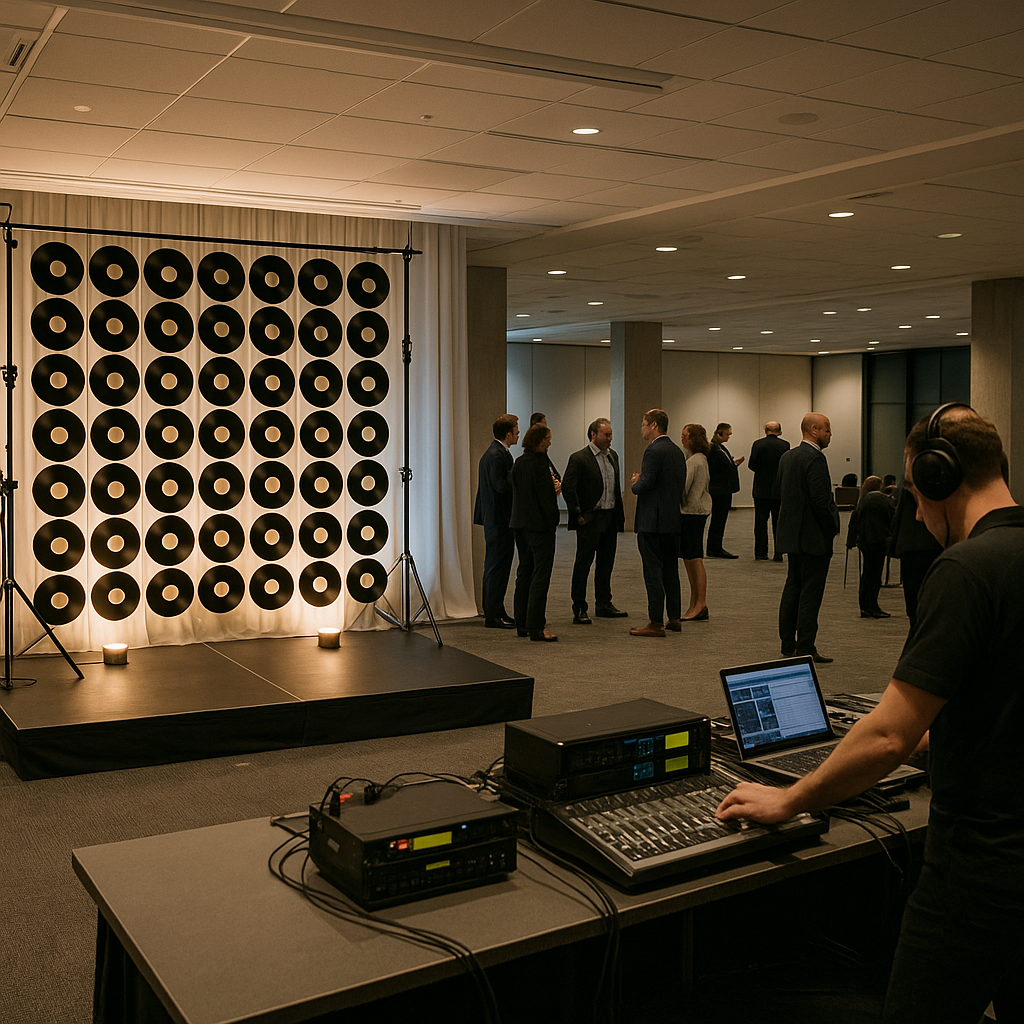
Recent event activations have demonstrated at least 16 distinct ways vinyl records can be incorporated into design, signage, and attendee engagement. Instead of serving purely as background decor, records are being used as structural, graphic, and interactive elements.
Common applications include:
- Photo backdrops built from layered or suspended records
- Table centerpieces and hanging installations featuring upcycled discs
- Branded labels added to record centers to display logos or event themes
- Wayfinding or schedule boards where records serve as graphic anchors
- Interactive walls where attendees write messages on records or choose tracks as part of a gamified experience
Designers are also mixing vinyl with LED walls, projection, and lighting to create hybrid analog-digital environments. While records are typically sourced secondhand, some events commission custom-colored discs to match brand palettes or stage design.
Industry impact
For production teams, vinyl-based design elements are relatively inexpensive, lightweight, and easy to transport, which makes them suitable for pop-ups, touring activations, and conference environments. They can be scaled up for large-format backdrops or used in small details such as place cards and badge accessories.
Experiential agencies and in-house event teams are using records to:
- Create recognizable visual anchors that read clearly in photos and short-form video
- Support music, entertainment, or culture-led brand narratives without heavy reliance on screens
- Offer tactile interactions that complement digital experiences like QR codes, AR filters, or streaming integrations
This approach also supports sustainability goals when organizers repurpose existing vinyl rather than producing new single-use decor. The modular nature of record-based builds allows components to be reused across multiple events with minimal redesign.
Why this matters
As budgets tighten and expectations for visually distinctive experiences rise, planners are looking for design elements that are both flexible and memorable. Vinyl records offer a clear silhouette, strong color contrast, and broad cultural recognition, making them effective for everything from stage backdrops to sponsor activations.
For brands and organizers, the use of vinyl is less about music nostalgia alone and more about creating recognizable, photogenic scenes that translate well to social channels. The format’s physicality also provides a counterpoint to fully digital environments, giving attendees something concrete to interact with and share.
Event professionals exploring this direction can adapt vinyl-based ideas to different audiences, themes, and venue sizes. Concept examples and additional use cases are increasingly documented by agencies and design studios across the sector, offering a playbook for integrating analog objects into contemporary event design. For more practical inspiration on vinyl-centered decor and layouts, planners can review curated case studies and galleries on leading event design sites and manufacturer product pages, such as the inspiration sections found on major decor and staging suppliers’ official websites.