Key US event industry moves: new Boston venue, leadership hire, and LEO Fellows update
Background and context
The US event industry continues to adapt and expand as organizers seek more flexible venues, experienced production partners, and professional development pathways. Recent announcements point to steady investment in both physical spaces and talent, with a particular emphasis on technology-enabled experiences.
In Boston, a new event space linked to the Dagny Boston hotel is positioning itself to serve corporate meetings and social functions. Meanwhile, production and strategy firm Analog Events has made a senior hire aimed at strengthening its event delivery capabilities. Alongside these developments, the LEO Fellows Program has shared updates on its latest cohort, underlining a broader push toward leadership training in live events and experiential marketing.
Key announcement
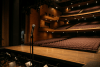
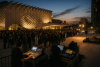
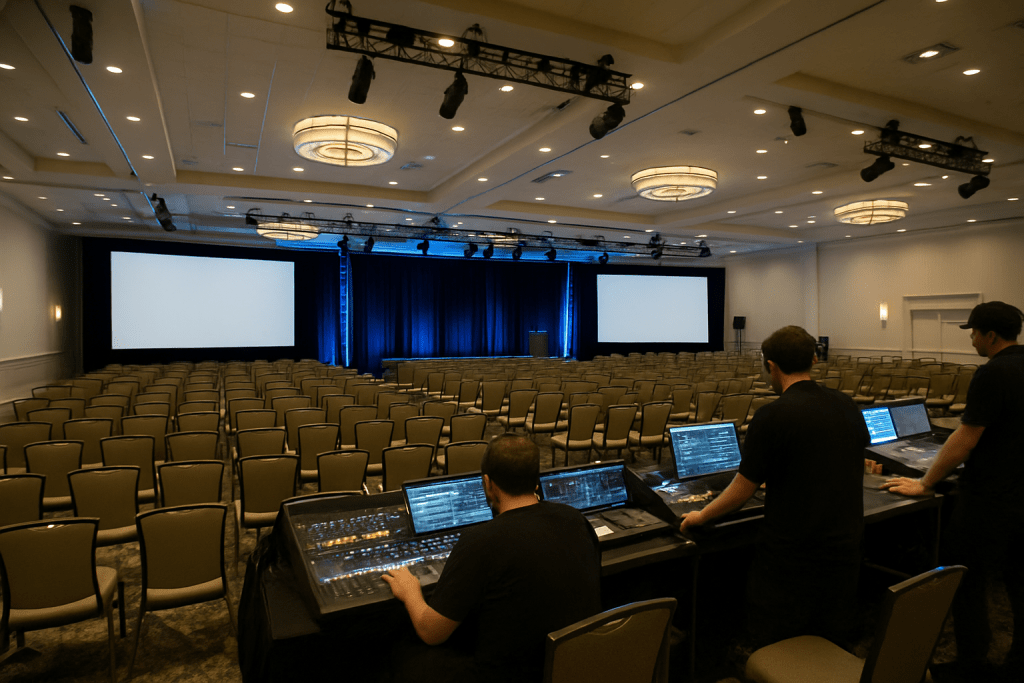
The Dagny Boston has introduced a dedicated event space designed to host a range of corporate and private gatherings. The venue, situated in downtown Boston, offers meeting rooms and flexible layouts intended to support both traditional conferences and more immersive, tech-supported formats.
While many hotels provide meeting facilities, the Dagny Boston’s event offering has been configured with upgraded audiovisual infrastructure and connectivity at its core. The goal is to simplify hybrid and in-person production requirements for planners seeking a central Boston location. Further details on room configurations and capacities are listed on the hotel’s official site at dagnyboston.com.
In a separate move, Analog Events has announced a new senior hire to support its expanding portfolio of live, virtual, and hybrid projects. The incoming team member is expected to work across strategy, production planning, and onsite execution, with an emphasis on aligning content, staging, and technology workflows.
Additionally, the LEO Fellows Program, which focuses on developing emerging leaders in the live events and experiential sectors, has outlined progress on its current class. The program includes mentorship, coursework, and exposure to large-scale productions, giving participants insight into both creative and technical aspects of modern event delivery.
Industry impact
These moves reflect several ongoing trends in the US events landscape:
- Venue modernization: Properties such as the Dagny Boston are investing in more adaptable spaces and stronger baseline AV to attract tech-driven meetings and conferences.
- Specialized talent: Agencies like Analog Events are reinforcing their teams with senior staff who can bridge the gap between creative concepts and the technical demands of multi-format events.
- Leadership development: Programs like LEO Fellows signal a growing awareness that the industry needs structured training pathways, not only for production skills but also for strategic planning and client-facing leadership.
For planners, this combination of new venues, agency capabilities, and talent pipelines may translate into more choice and potentially smoother integration of production technology at events of all sizes.
Why this matters
As event organizers increasingly rely on robust audiovisual setups, live streaming, and interactive elements, they are looking for partners and spaces that can support these requirements without extensive customization.
The Dagny Boston’s event offering may appeal to teams seeking a central urban venue where core technical needs—power, connectivity, basic rigging, and integrated AV—are already considered. This can reduce setup time and complexity for both in-house AV teams and external production partners.
Analog Events’ staffing news highlights how agencies are responding to clients’ expectations for end-to-end support, from content strategy through to show-calling and technical integration. Strengthening leadership at this level can help ensure that creative ideas remain feasible within budget, timeline, and venue constraints.
Finally, initiatives like the LEO Fellows Program are likely to influence how the next generation of event professionals approaches technology. Graduates who are comfortable with both creative design and production infrastructure are well positioned to push innovation while maintaining reliability—an increasingly important balance for brand experiences, conferences, and large-scale live events.