ABPCO survey seeks to redefine CPD for conference planners
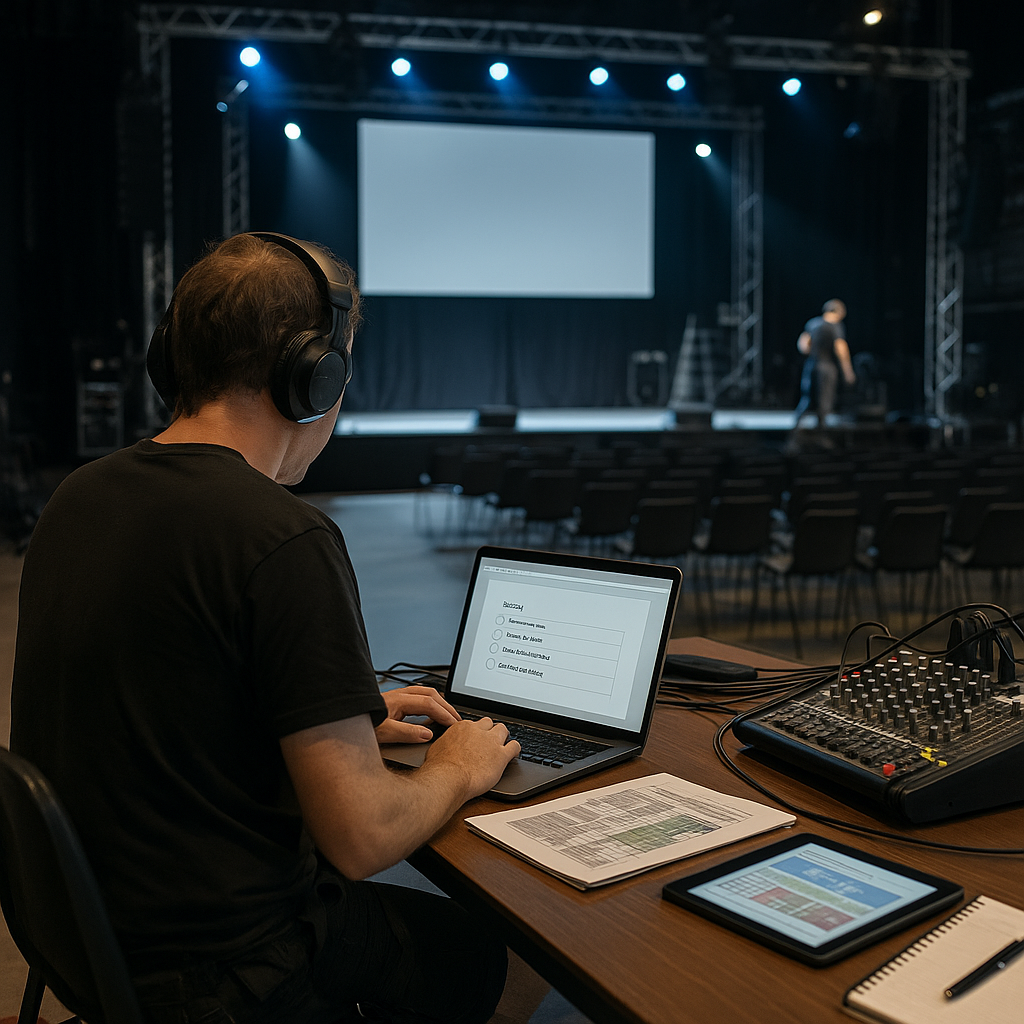
The Association of British Professional Conference Organisers (ABPCO) has opened a new Continuing Professional Development (CPD) survey for 2026, calling on event professionals in the association and not-for-profit sectors to help define how their skills and learning should evolve over the coming years.
The initiative, which is open to both ABPCO members and non-members, is designed to capture current and emerging competency needs among planners, organisers and related stakeholders who work on conferences and events for associations, charities and similar organisations.
Background: rising expectations on event professionals
Event professionals operating in the association and not-for-profit arena are facing rapidly changing demands. Beyond core logistics and operations, many are now expected to manage complex stakeholder relationships, integrate digital and hybrid formats, respond to sustainability requirements and demonstrate tangible outcomes from events.
These pressures have expanded the skill set required of professional conference organisers. Learning and development programmes must therefore adapt to encompass areas such as data-driven decision-making, audience engagement across channels, and compliance with sector-specific regulations, while still retaining foundational expertise in conference design, budgeting and risk management.
As a result, industry bodies and training providers are reassessing how they structure CPD frameworks, ensuring they reflect practical needs on the ground rather than solely top-down assumptions about what professionals should learn.
Key elements of the new ABPCO survey
The 2026 CPD Survey asks respondents to share their views on the skills, knowledge areas and learning formats that will be most valuable for their professional development in the coming years. While the full questionnaire spans multiple themes, it broadly focuses on several areas:
- Current skills and gaps: Respondents are invited to assess where they feel confident and where they perceive gaps, whether in strategic planning, digital event delivery, commercial skills, or stakeholder management.
- Future competency needs: The survey explores which competencies organisers expect to become more important by 2026, including areas influenced by technology adoption, changing attendee expectations and new regulatory or sustainability benchmarks.
- Preferred learning formats: Participants can indicate their preferences for how they want to learn – for example, short-form online modules, in-person workshops, peer learning, mentoring or structured certification pathways.
- Barriers to professional development: The initiative also aims to understand what prevents event professionals from engaging in CPD, such as time constraints, budget limitations, lack of employer support or limited access to relevant training.
By soliciting input from both members and non-members working in association and not-for-profit events, ABPCO is seeking a broad and representative picture of professional learning needs across this segment of the industry.
Industry impact: informing future learning frameworks
Findings from the 2026 CPD Survey are expected to inform how ABPCO structures its future education agenda, including the topics and formats it prioritises for training, networking and knowledge exchange. The results may also influence how ABPCO collaborates with educators, trainers, venues and technology providers to deliver more targeted content.
Beyond ABPCO’s own programmes, the survey outcomes are likely to offer a snapshot of the evolving role of association and not-for-profit event professionals. This could include increased emphasis on digital fluency, data literacy, sustainability strategy, and cross-functional collaboration with marketing, membership and policy teams.
For the wider event ecosystem, the data could highlight where suppliers, venues, and platform providers need to better support planners. For example, identified skill gaps around event technology, analytics, or hybrid delivery might encourage more collaborative training between organisers and solution providers.
Why this matters for event professionals and technology providers
For planners in the association and not-for-profit sectors, the survey represents an opportunity to influence how CPD programmes are shaped rather than simply responding to pre-designed offerings. Those who participate can help ensure that future learning reflects real-world challenges, from managing limited budgets to meeting complex stakeholder expectations and delivering inclusive, accessible events.
The emphasis on understanding preferred learning formats is particularly relevant as professionals juggle heavy workloads and dispersed teams. Flexible, modular and on-demand training may become more prominent, alongside opportunities for in-depth learning via in-person events and conferences.
Technology providers and other suppliers to the conference and association market can also draw value from the survey’s direction. As organisers identify where they need more support – for instance, in mastering event platforms, registration systems, data capture, or audience engagement tools – vendors can align their customer education, documentation and training resources accordingly.
This alignment is increasingly critical as technology adoption accelerates within association events. Hybrid and digital formats, AI-assisted tools, accessibility solutions and sustainability tracking all demand new skills and confidence from organisers. A clearer understanding of these needs can support more effective partnerships between organisers and solution providers.
Conclusion
By launching its 2026 CPD Survey, ABPCO is seeking structured feedback to guide how professional learning for association and not-for-profit conference organisers should evolve. The initiative acknowledges the expanding scope of the role and the need for CPD frameworks that are evidence-based and grounded in practitioners’ day-to-day realities.
As responses are gathered and analysed, the resulting insights are expected to influence not just ABPCO’s own education strategy, but also broader discussions around skills development in the event sector. For organisers, suppliers and technology partners alike, the survey signals a continued shift towards more targeted, collaborative and data-informed approaches to professional development.