RefTech debuts ContactScanning app for richer event data
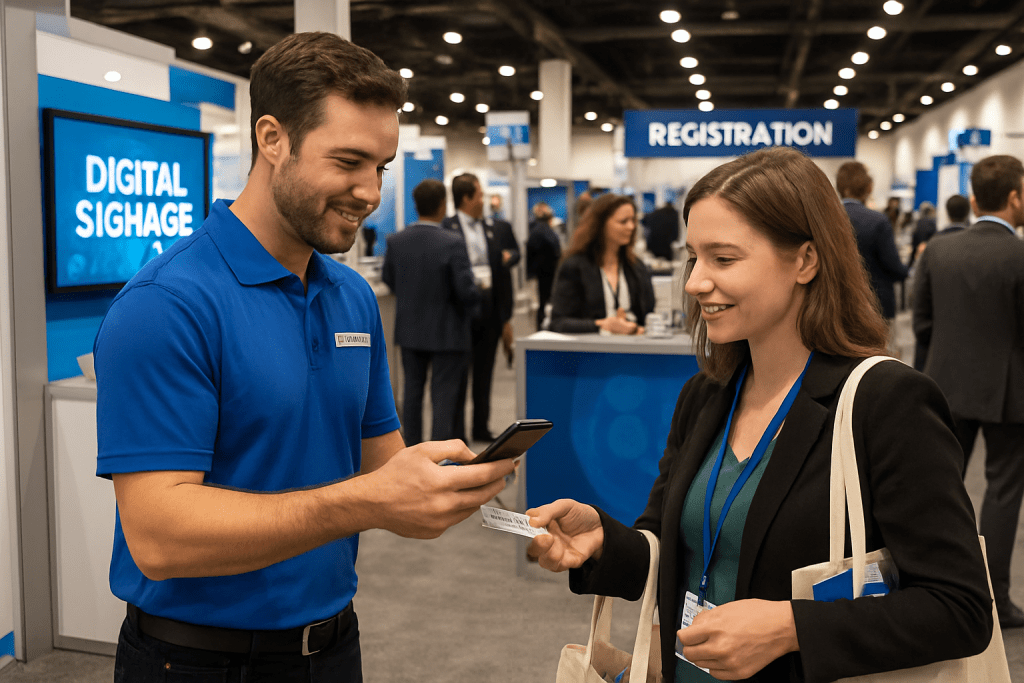
RefTech has introduced ContactScanning, a mobile application aimed at giving event organisers a clearer view of onsite interactions while supporting more transparent data sharing between attendees and exhibitors. The tool, available on both iOS and Android, enables authorised users to scan visitor badges, collect notes and consolidate contact information into a central record.
The launch reflects a broader push within the events sector to improve how attendee engagement is captured and used, particularly as organisers seek better analytics and exhibitors demand more usable data from their participation at trade shows, conferences and exhibitions.
Background and industry context
Lead capture has long been a core component of in-person events, but traditional approaches—such as business cards, paper forms or stand-alone badge scanners—often produce fragmented data and limited insight. As events have become more digitally enabled and expectations for measurable return on investment have increased, organisers are under pressure to provide tools that both simplify data capture onsite and respect attendee privacy.
At the same time, hybrid and multi-event strategies mean that consistent, portable attendee profiles and interaction histories are increasingly valuable. Exhibitors and sponsors are looking not just for contact lists, but for context: what conversations took place, what products were discussed, and which prospects are likely to convert following the event.
Within this environment, mobile-based scanning tools have become an important bridge between onsite activity and event data platforms. RefTech’s ContactScanning app enters a competitive space that includes dedicated lead retrieval systems, native event app scanners and third-party CRM integrations, but the company is positioning it as a means to make interaction data more accessible and more controllable by organisers.
Key developments in the ContactScanning launch
ContactScanning is built as a mobile companion for events using RefTech’s registration and badging infrastructure. Approved users—such as exhibitors, distributors and internal event teams—can use the app to scan QR codes or barcodes on attendee badges, triggering the retrieval of attendee information held in the registration database.
The app is designed around several core functions:
- Badge scanning: Users can scan attendee badges using a smartphone camera, capturing contact details and any other fields configured by the organiser.
- Note taking: After scanning, users can add text notes to record the context of the conversation, interests discussed, or follow-up actions required.
- Centralised records: Scans and notes are stored in a centralised environment associated with that event, aiming to reduce data silos between multiple scanners and team members on a stand.
- Access control: Only authorised users can access and use the app for a given event, giving organisers oversight of who can scan and how data is handled.
A key aspect of the launch is the emphasis on what RefTech describes as transparent, two-way data exchange. In practice, this typically means that attendees understand how their data will be used when their badges are scanned and can opt in during registration or within event terms. While specific consent flows are determined by each organiser, the app is intended to operate within a clear data protection framework.
ContactScanning runs on standard smartphones rather than specialised hardware, which can lower the barrier to adoption for exhibitors and simplify logistics for organisers not wishing to manage large pools of rented scanners.
Industry impact and potential use cases
For organisers, tools like ContactScanning can provide a more granular view of how attendees move through the show floor and which exhibitors are generating the most engagement. Aggregated data from badge scans can reveal which sectors or product areas are drawing interest, helping to inform future floor plans, sponsorship packages and content programmes.
Exhibitors, meanwhile, can benefit from having all scanned contacts and related notes in one consolidated space. Rather than juggling spreadsheets from multiple devices or handwritten notes, sales and marketing teams can receive structured interaction data shortly after the event, improving the speed and quality of follow-up.
Because the app is event-specific and governed by organiser configuration, there is scope for alignment with broader event objectives. For example, an organiser might encourage exhibitors to tag scans with interest categories or meeting outcomes, feeding into post-event reporting that goes beyond basic attendance figures.
From an operational perspective, moving to mobile scanning also reduces reliance on dedicated hardware, which can be costly to procure, configure and support. For smaller events or regional roadshows, enabling exhibitors to use their own devices may be particularly attractive, while larger exhibitions can still combine mobile scanning with staffed registration and badging infrastructure.
Why this matters for event professionals and technology providers
For event organisers, the launch underscores how lead capture is evolving from a peripheral add-on to a core data service. Delivering reliable, compliant contact scanning capabilities is increasingly part of the baseline expectations for modern events, particularly where exhibitors are making significant investments in stand builds and sponsorship.
The ability to tie badge scans directly back to registration profiles also supports more sophisticated analytics. Organisers can compare session attendance with exhibitor engagement, identify high-value audience segments and quantify how different parts of the event contribute to overall ROI. This kind of insight can be critical when justifying budgets to stakeholders or refining event formats year-on-year.
For technology providers, ContactScanning highlights ongoing demand for interoperable tools that plug into existing registration and data systems. Vendors competing in this space need to consider integration, data governance and user experience, as organisers increasingly seek platforms that can support entire event portfolios rather than one-off deployments.
On the exhibitor side, the expectation is shifting from simple lists of scanned badges to actionable contact records that can feed directly into CRM and marketing automation systems. Apps that make it easy to enrich scans with notes and qualifiers at the point of contact are likely to align better with how sales teams work post-event.
Conclusion
The introduction of RefTech’s ContactScanning app reflects the sector’s ongoing effort to professionalise and streamline how visitor interactions are captured at events. By bringing badge scanning, note taking and centralised records into a single mobile interface, the tool aims to support organisers in generating more robust insight while giving exhibitors a clearer path from onsite conversations to post-event follow-up.
As events continue to balance in-person, digital and hybrid elements, contact scanning solutions that are both flexible and transparent are likely to play a growing role in how value is measured and demonstrated. For B2B event stakeholders, developments in this area will remain a key factor in deciding which platforms and partners can support data-driven event strategies at scale.