Events Industry Alliance Briefing highlights Business Event Role in UK Industrial Strategy
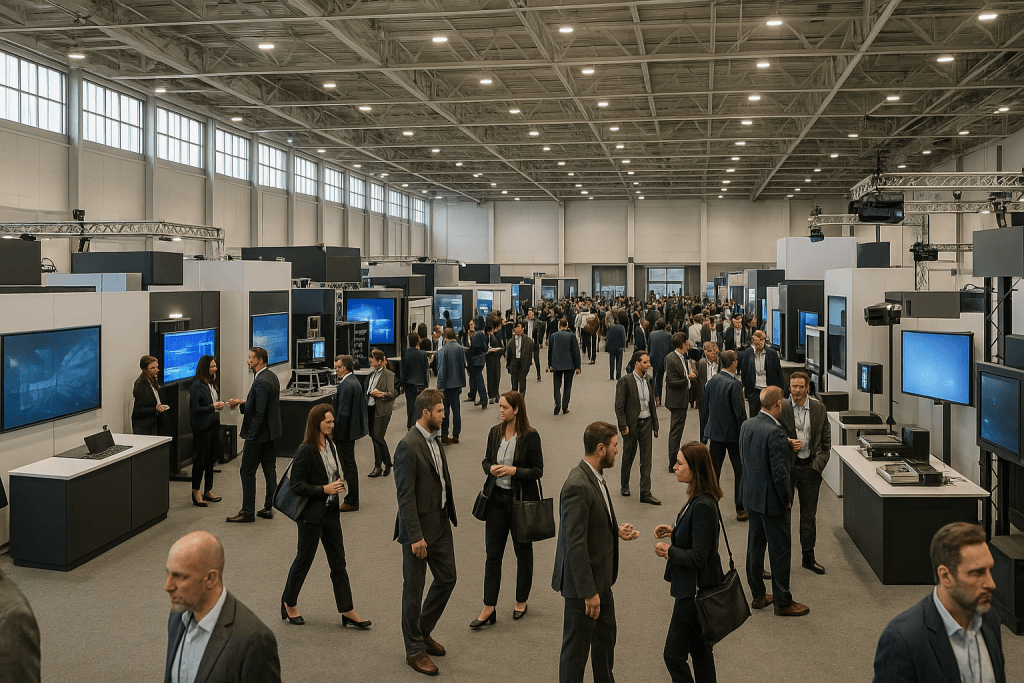
The Events Industry Alliance (EIA) has released a new policy briefing detailing how business events in the United Kingdom contribute to the government’s Modern Industrial Strategy. The document, titled “How Business Events Power the UK’s Industrial Strategy,” sets out the links between trade shows, exhibitions, conferences and the Strategy’s stated policy priorities.
The briefing positions the UK’s business events sector as a driver of economic activity and sectoral development. It aims to provide policymakers and industry stakeholders with a structured view of how organised events support the implementation of industrial objectives across multiple areas.
Briefing Document outlines Sector Contribution To Modern Industrial Strategy
The EIA’s publication examines the role of business events within the framework of the government’s Modern Industrial Strategy. It maps the activities and outcomes associated with trade shows, exhibitions and conferences to each of the Strategy’s priority themes as identified by government.
By presenting this alignment, the document is intended to demonstrate that the events sector is not only a service industry but also a platform for wider industrial and economic goals. The EIA uses the briefing to underline how organised events provide structured environments for business engagement, sector collaboration and information exchange that relate directly to national policy objectives.
Trade Show And Exhibition Impact on Strategic Priority Area
Within the briefing, trade shows and exhibitions are described as touchpoints where businesses from the UK and overseas convene to present products, services and innovations. The EIA emphasises that these platforms enable companies operating in different parts of the economy to meet, negotiate and identify commercial opportunities.
The document links this activity to the UK’s industrial ambitions by highlighting how sector-specific exhibitions can help accelerate uptake of new technologies and practices within priority industries. By concentrating buyers, suppliers and knowledge providers in one place, such events can shorten the time it takes for innovations to reach the market or to be adopted within supply chains.
The briefing also points to the role of trade events in supporting sectors that feature prominently in industrial planning, including manufacturing, services and emerging technology fields. Through focused showcases and content programmes, exhibitions can provide a platform for companies operating in these areas to present their capabilities and connect with potential partners and customers.
Conference Activity supports Knowledge Exchange And Policy Debate
Alongside exhibitions and trade shows, the briefing underscores the contribution of conferences to the UK’s industrial ambitions. Conferences bring together stakeholders from business, academia, government and professional bodies to discuss developments affecting key sectors and horizontal themes within the Strategy.
By hosting structured sessions, panels and networking opportunities, conferences provide forums where participants can share research, discuss regulation and explore the implications of new technologies and business models. The EIA positions these meetings as important spaces for policy discussion and sector coordination that can influence how industrial objectives are interpreted and implemented.
The document notes that conference programmes often address subjects such as productivity, skills, innovation and regional growth, all of which are central to the Modern Industrial Strategy. Through these agendas, events can help connect high-level policy with on-the-ground practice in specific industries.
Business Event Platform for Trade, Investment And Export Opportunity
The EIA briefing also highlights the role of business events in facilitating trade and investment flows linked to industrial priorities. Trade shows and conferences provide structured settings in which international delegations, investors and buyers can engage with UK businesses.
By providing a focused environment for showcasing products and solutions, these events support export development and inward investment aims that underpin the Strategy. The briefing notes that international participation at UK events can help raise the profile of domestic industries in global markets while attracting interest in UK-based innovation and capacity.
In addition, the EIA points to the ability of events to bring regional and sector-based initiatives into contact with potential partners from other parts of the country and overseas. This can support efforts to build stronger supply chains, encourage collaboration and open up new routes to market relevant to industrial policy goals.
Events Industry Alliance Position within Policy Conversation
Through the publication of “How Business Events Power the UK’s Industrial Strategy,” the EIA is seeking to position the UK business events sector within ongoing policy discussions about growth and competitiveness. The briefing is presented as evidence that trade shows, exhibitions and conferences form part of the practical infrastructure that supports the delivery of the Modern Industrial Strategy.
The document is structured to be used by government officials, industry bodies and event organisers as a reference point when considering how national policy interacts with business events. By setting out clear connections between event activities and strategic objectives, it provides a framework for engagement between the sector and policymakers.
Sector Role in Long-Term Economic Planning
While the briefing focuses on the current Modern Industrial Strategy, it also situates business events within a longer-term view of the UK economy. The EIA notes that the convening power of trade shows, exhibitions and conferences can support ongoing adaptation in response to new technologies, market shifts and regulatory changes that affect priority sectors.
By frequently bringing together businesses, innovators and decision-makers, events can help maintain a flow of information and collaboration that is relevant beyond the immediate policy cycle. The EIA’s document argues that this recurring interaction is a key component in ensuring that industrial objectives remain connected to practical business realities.
In publishing the briefing, the Events Industry Alliance is drawing attention to the role of the UK’s business events infrastructure as a recurring mechanism for delivering elements of the Modern Industrial Strategy. The document is designed to ensure that the contribution of trade shows, exhibitions and conferences is recognised within national planning discussions and future policy development.