What Are the Key Elements of Successful Signage?
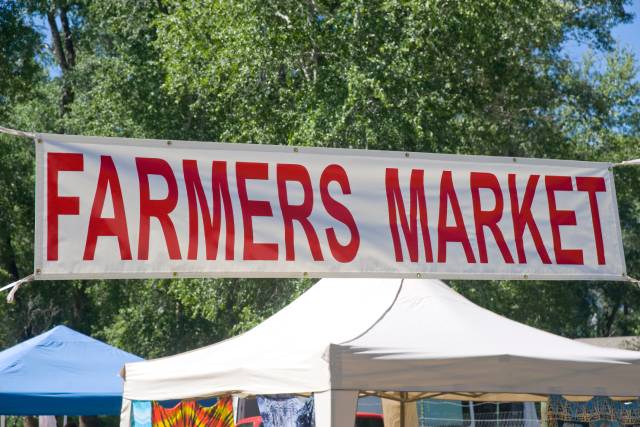
Wide-format and plotter printers are the best choices for producing event signs that catch the eye and bring customers to your booth. They produce large-scale signage on a variety of media, from paper to vinyl to canvas and more. But the best wide-format sign can’t do the job if it doesn’t consider the following suggestions for creating signs that work. So, what are the key elements of successful signage? Here are a few tips to help your signage stand out at trade shows, conventions, and other events.
Clarity and Readability
Event signage must be clear and easily readable, especially at a distance. Keep messaging concise to prevent confusion. Select fonts that are legible even from far away, and avoid cluttering the design with excessive imagery. Sans serif Arial and Helvetica fonts are good choices; they lend themselves to legibility and comprehension at a distance. Use high-contrast color combinations between fonts and images. For example, black text on a white background is a basic but reliable way to ensure your message remains readable, but other color combinations can also work. Additionally, ensure the sign ends with a call to action, for example, “Limited time offer!” or “Stop by booth #123!”.
Consistent Branding
Your sign represents you and your brand. Ensure it communicates your branding through the right colors, logo, and other elements that symbolize you and your business. Customers will connect the sign with you and know your booth by sight. Prominently display your logo without interfering with the message and call to action. Maintain a tone in your signage that further communicates your brand and the impression you wish to make.
Location and Placement
Place signs in high-traffic areas and ensure you’re positioning them in places where passersby can see them. Eye-level placement, naturally, works best, but consider the sightlines and any surrounding distractions before setting it up. Consider the effects of time. For example, reconsider the sign’s positioning if sunlight or shadows make it difficult to see it at a certain time of day. Position signs so they complement and aid each other in getting people to your booth. Start on the street, then place signage at the entrance and throughout the interior so customers follow an imaginary path to your booth.
Use Quality Media
Don’t cheap out on sign material. Even for temporary signage, ensure the media you use is durable, resists weather and sunlight damage, has a professional finish, and is environmentally friendly. Many industries use wide-format printing, so ask your printer if they offer that option. Wide-format printers produce posters, A-frame signs, banners, vehicle wraparounds, decals, wall murals, and more.
In summation, the key elements of successful signage combine all the above qualities to best showcase your message, strengthen your brand, and have clients beating a path to your door!