HireHop to Showcase Event Operations Software at The Showman’s Show
Outdoor and live event organisers will be able to explore new approaches to rental management and site logistics this autumn, as HireHop prepares to demonstrate its cloud-based software platform at The Showman’s Show. Aimed at companies supplying equipment and infrastructure to festivals, agricultural shows, brand activations and large-scale outdoor events, the system is designed to manage the operational complexity that underpins modern event production.
With suppliers under pressure to turn around inventory faster, operate multiple depots, and coordinate crews across wide geographies, event rental and logistics tools are increasingly expected to mirror the pace and unpredictability of on-site operations. HireHop’s appearance at The Showman’s Show highlights how specialist platforms are evolving to support that demand, combining rental management, transport planning and crew scheduling in a single environment.
Background: a sector defined by complexity
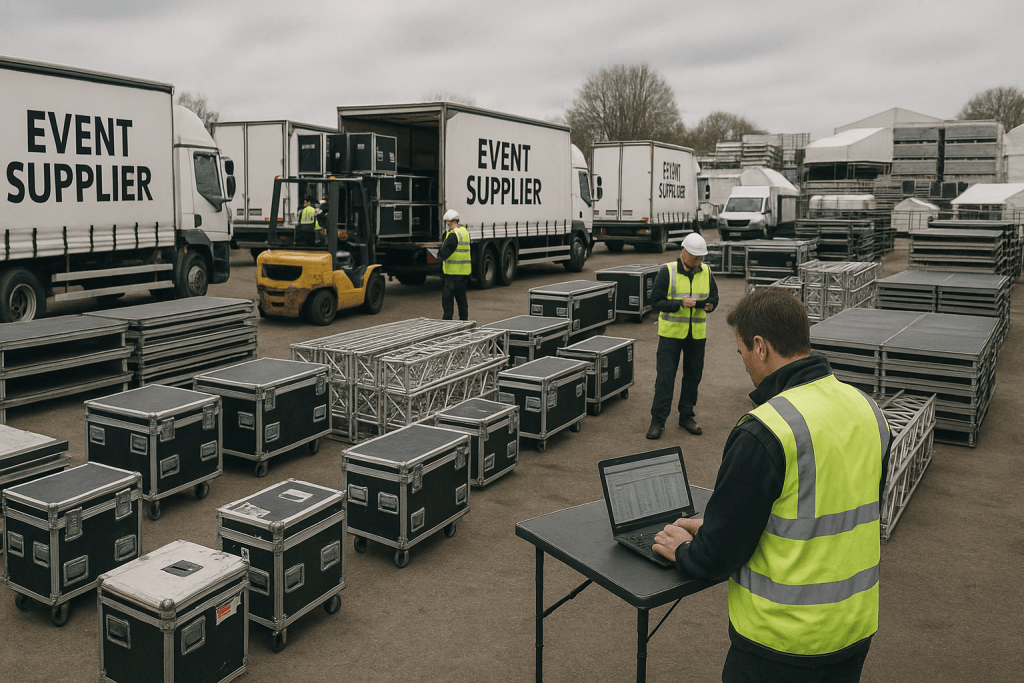
Outdoor event production typically involves large volumes of equipment, diverse supplier networks and tight load-in and load-out windows. Staging, rigging, AV, power distribution, fencing, sanitation and temporary structures have to be managed in sequence, often across overlapping builds and multi-day runs. For companies running multiple yards or depots, the challenge is multiplied by the need to move stock, vehicles and teams efficiently between sites while maintaining clear visibility of availability.
Traditional approaches relying on spreadsheet-based planning or generic rental tools can struggle with the volume of changes that come with major festivals or touring projects. Last-minute revisions to site layouts, weather-related adjustments, and client-driven changes to production specifications require systems that can update availability, transport plans and crew rosters in real time, without losing track of what is already committed.
Specialist event rental software has emerged as a response to these pressures, focusing on the intersection of inventory, logistics and billing. Platforms such as HireHop are part of a broader shift from static, office-based systems to cloud tools that can be accessed in the yard, on the road or on site, enabling teams to update and verify data as conditions evolve.
Key developments: HireHop at The Showman’s Show
At The Showman’s Show, HireHop plans to give production suppliers, rental companies and site operators hands-on access to its event-focused software. The platform is targeted at businesses supplying technical production, infrastructure and equipment to outdoor events, including:
- Staging and temporary structures providers
- Audio-visual and lighting rental companies
- Power, distribution and generator suppliers
- Fencing, barriers and crowd management equipment firms
- Event furniture, decor and experiential activation providers
The software is built around core rental management functionality, allowing users to handle quotations, contracts, equipment allocation and invoicing. Layered on top are tools aimed at event-specific workflows, such as coordinating multi-truck deliveries, managing kit from multiple depots, and tracking what is on hire, in transit, off-site or in maintenance.
Because the platform is cloud-based, operational teams can access the system from different locations, helping them reconcile the reality on the ground with what has been planned in the office. Warehouse staff can confirm picks, drivers can see delivery schedules, and project managers can check live availability when requests change mid-build.
The Showman’s Show has become a recurring platform for suppliers to demonstrate new solutions to the outdoor and special events market. HireHop’s presence positions it directly in front of the production and logistics professionals who manage some of the largest seasonal infrastructures in the live events calendar.
Industry impact: aligning software with site logistics
One of the persistent challenges for event suppliers is aligning back-end systems with actual site logistics. Inventory might be technically available in a central system, but physically located at the wrong depot or en route to another build. For multi-depot businesses working high-volume seasons, even small discrepancies can lead to missed delivery windows or last-minute sub-rentals.
Tools that integrate asset management with routing, resourcing and scheduling can help suppliers avoid such disconnects. By bringing these functions together, platforms like HireHop aim to shorten the gap between booking confirmation and operational execution. The ability to see which kits are committed, in repair, or returning in time for the next job supports more accurate planning and reduces the risk of overbooking.
For the broader events ecosystem, this type of software can contribute to more reliable build schedules and fewer on-site delays. If suppliers can confirm stock positions and delivery plans with greater confidence, organisers can plan critical path activities more tightly, with reduced contingency built into timelines and budgets.
Why this matters for event professionals and technology providers
For event organisers, production managers and site operators, supplier capability in logistics and asset management increasingly influences procurement decisions. A rental partner using a system optimised for event workflows may be better positioned to handle late-stage changes, phased installs and complex de-rigs than one working with more generic tools.
Key benefits for event stakeholders include:
- Improved visibility: Access to accurate, real-time data on what equipment is going where and when can reduce on-site uncertainty and duplicated effort.
- Faster change management: When a client adds stages, extends a site footprint or adjusts power needs, suppliers with integrated software can re-forecast availability and logistics more quickly.
- Reduced operational risk: Tighter control of inventory and movements can lower the likelihood of missing components, late deliveries or double-booked assets.
- Better post-event analysis: Centralised data on utilisation, damage, sub-rentals and overtime supports more informed pricing and resource planning for future events.
For technology providers, the outdoor events sector presents a demanding testbed. Any solution must cope with intermittent connectivity, seasonal peaks, diverse equipment types and users working under time pressure. Demonstrating functionality in front of the industry at shows dedicated to outdoor events can help validate product-market fit and surface new requirements from end users.
Conclusion
The Showman’s Show continues to act as a key meeting point for the outdoor events community, including those focused on digital infrastructure behind physical builds. HireHop’s decision to showcase its event rental and logistics software there underscores the growing importance of specialised tools that reflect the realities of festival fields, agricultural shows and outdoor brand experiences.
As the sector continues to professionalise and scale, the ability to manage complex inventories, multi-depot operations and time-critical logistics will remain central to delivering safe, efficient and commercially viable events. Software platforms built around these needs are likely to play an increasingly visible role in how suppliers and organisers structure their operations in seasons to come.