Onsite event tech judged in the first 90 seconds
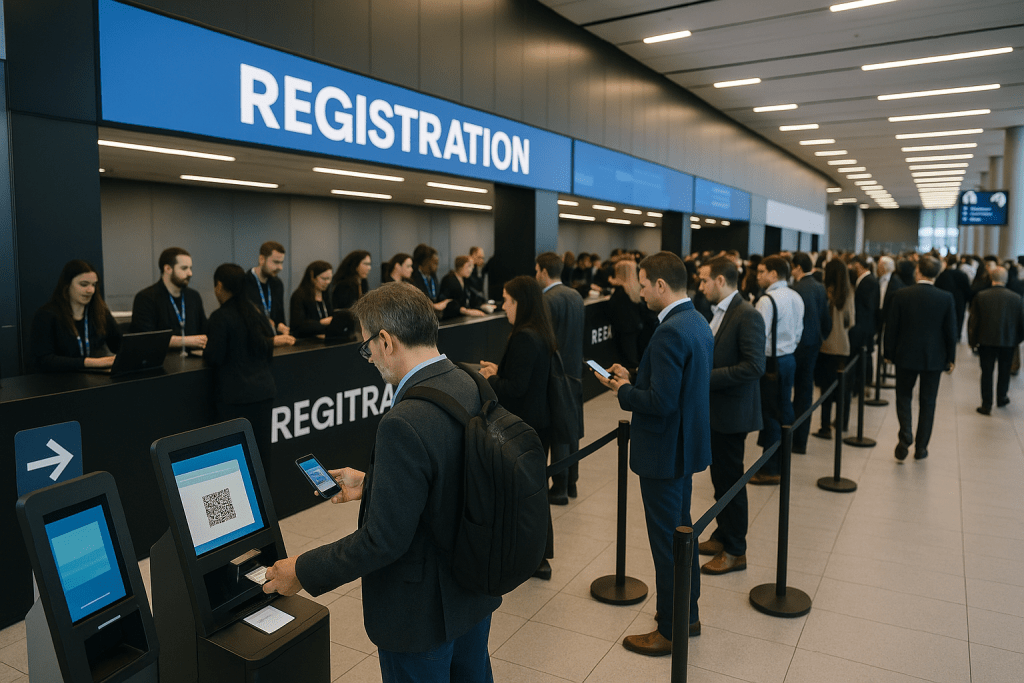
For many attendees, the first 90 seconds at the registration desk define their perception of an entire event. The speed and reliability of onsite registration, badge printing and entry management are no longer minor operational details; they are now critical measures of event quality. Sponsors and exhibitors, watching queues form and badges scan, are making similar judgements about the value of their investment and the professionalism of the organiser.
As event formats have become more data-driven and expectations for seamless experiences have risen, onsite technology has moved from a back-office function to a front-of-house test. Events that deliver a quick, frictionless arrival set the tone for productive meetings and strong commercial outcomes. Those that struggle with queues, system delays or manual workarounds risk undermining months of planning before attendees even enter the main hall.
Shifting expectations at the event entrance
Delegates now arrive at conferences, exhibitions and corporate events with consumer-grade expectations shaped by airlines, hospitality and retail. They anticipate digital confirmations, fast check-in and minimal paperwork. Any gap between this expectation and reality is immediately visible in the registration area, where bottlenecks are public and time-pressured.
Organisers must balance multiple objectives in this space. They need to validate registrations, print badges, control access and support last-minute walk-ins. At the same time, they must capture accurate data for lead management, session tracking and post-event reporting. The challenge is to orchestrate this in a way that feels effortless to the attendee and manageable for staff, many of whom may be temporary or unfamiliar with the systems in use.
Onsite registration areas are also highly sensitive environments. Minor issues in badge printers, connectivity or database synchronisation can quickly escalate when hundreds of attendees arrive within a short time window. The sponsor standing beside the queue, asking why it is not moving faster, is emblematic of the pressure on organisers to ensure that technology choices translate into reliable performance on the day.
From pre-event planning to onsite execution
The performance of onsite event technology is often determined well before doors open. Event teams increasingly look to integrate pre-registration systems, QR code confirmations and mobile wallets with onsite kiosks and staffed counters. When these elements align, delegates can move from arrival to badge-in-hand in under a minute. When they do not, manual data entry and troubleshooting can slow the entire process.
Key components of an onsite technology stack typically include:
- Registration and check-in software synchronised with the main attendee database
- On-demand badge printing with support for barcodes or QR codes
- Lead capture tools for exhibitors and sponsors, often via mobile apps or scanners
- Access control at session rooms and special areas, linked back to attendee profiles
Suppliers in this space emphasise that configuration, testing and staffing are as important as the technology itself. Robust connectivity, hardware redundancy and clear escalation procedures can prevent minor issues from disrupting the flow of arrivals. Training front-line staff to handle typical queries, from name changes to lost confirmations, reduces reliance on technical specialists during peak times.
Lead capture and sponsor expectations
While delegates focus on speed and simplicity at the front desk, sponsors and exhibitors have a different lens. For them, onsite technology is a tool to generate and qualify leads. The ability to scan badges quickly, capture custom data and sync information to CRM or marketing systems directly influences their return on investment.
Lead retrieval solutions have evolved from basic barcode scanners to app-based systems that allow exhibitors to score leads, add notes and trigger follow-up workflows. When integrated with registration platforms, these tools can enrich contact profiles with session attendance, interests and engagement history.
However, sponsors are acutely aware when the underlying systems falter. Slow badge printing, unreadable barcodes or inconsistent data formats can reduce the number of scans captured on a busy show floor. If exhibitors spend time fixing or working around technology rather than speaking with prospects, their perception of the event suffers, regardless of overall footfall.
Operational impact and risk management
Onsite registration technology also has a direct impact on wider event operations. Queue lengths influence security procedures, catering schedules and opening keynotes. Delays at the entrance can cause knock-on effects for session attendance patterns and meeting start times.
To manage these risks, many organisers now perform detailed arrival modelling, assessing expected delegate flow by time of day and registration type. This informs the number of counters, kiosks and staff required, as well as contingency plans for peak surges. Some events use timed entry slots or encourage early badge collection to smooth demand.
Data captured at registration can support real-time decision-making during the event. Live dashboards showing check-in volumes and wait times enable organisers to redeploy staff, open additional counters or adjust signage to guide attendees more effectively. When integrated with access control, these systems can also highlight overcrowding risks in specific zones.
Why this matters for event professionals and tech providers
For organisers, the registration desk has become a strategic touchpoint rather than a purely administrative function. Its performance influences attendee satisfaction scores, social media commentary and the perceived professionalism of the brand hosting the event. It is also the first place where event promises around innovation and digital experience are tested in front of a full audience.
For technology providers, onsite delivery is the most visible proof point of their platforms. Event teams increasingly assess vendors not only on feature lists but on their ability to support complex, time-critical operations. Reliability, usability and support are weighed as heavily as advanced capabilities.
Both sides are also under pressure to demonstrate measurable outcomes. Clean, well-structured data captured at registration and through lead retrieval underpins post-event reporting, sponsor ROI analysis and future marketing campaigns. Conversely, incomplete or inconsistent data can limit insight and reduce the value of the event long after the doors have closed.
Conclusion
As events continue to evolve, the registration area remains one of the most intense points of scrutiny for onsite technology. In the brief window between arrival and entry, delegates judge whether an event is organised, modern and worth their time. Sponsors and exhibitors, watching those same processes, form their own conclusions about value and professionalism.
Event professionals and technology providers who treat those first 90 seconds as a critical test, rather than a routine procedure, are better positioned to deliver both operational efficiency and stronger commercial outcomes. In a competitive landscape where experience and data are central, the doorway is where expectations are set—and where event technology must perform flawlessly.