Accessible events show to return to London with global plans
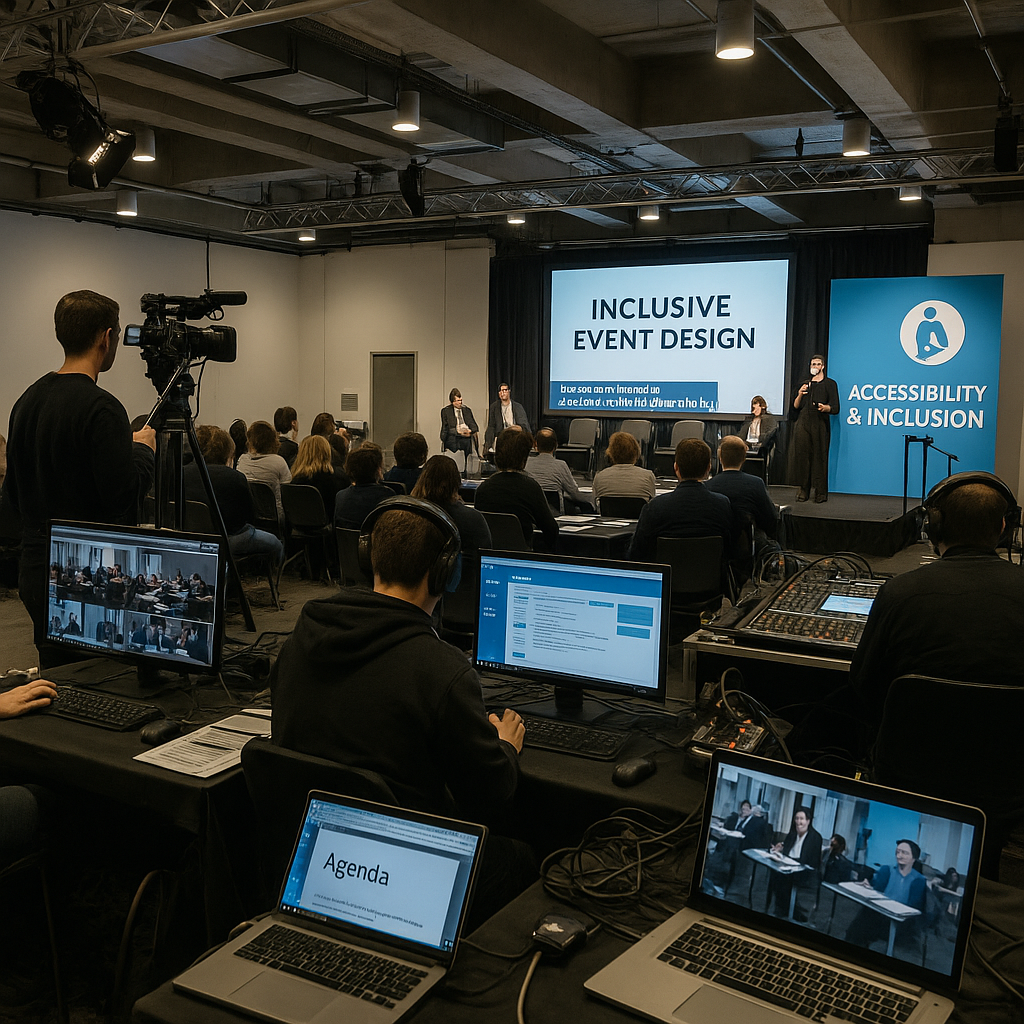
The UK’s specialist event dedicated to accessibility and inclusion in the events sector is set to return to London on 29 October 2026, with organisers signalling their most ambitious edition to date. The show will combine morning expert panels with practical afternoon workshops, backed by headline sponsorship from HSBC and early-stage plans to take the format to the United States.
Positioned as the only UK event focused entirely on accessible event design and inclusive experiences, the show’s 2026 outing is being framed as a pivotal year in its development. Organisers have opened registrations and are outlining a broadened programme that aims to move accessibility discussions further into day-to-day planning for conferences, exhibitions and hybrid events.
Background and industry context
Accessibility has become a growing area of focus for event organisers, venues and technology providers, as audiences and regulators place more emphasis on inclusive design. From signage and physical wayfinding to captioning, audio description and assistive digital tools, accessibility now cuts across both on-site and online event environments.
Industry bodies and advocacy groups have repeatedly highlighted gaps in provision, including inconsistent venue standards, limited staff training and fragmented use of accessible technologies. While many large organisers have introduced policies around diversity, equity and inclusion, practical implementation at event level still varies significantly.
Specialist events dedicated to accessibility and inclusion are increasingly seen as a way to bridge the gap between policy and practice. By convening planners, suppliers, venues, brands and technology firms, these gatherings aim to surface workable models, share case studies and clarify emerging standards that can be adopted across the sector.
Key developments for the 2026 edition
The 2026 London edition will retain its core focus on inclusive event design, but organisers indicate that the content mix will be more structured than in previous years. The programme is expected to feature:
- Morning panel discussions: Sessions led by experts, practitioners and disabled contributors exploring current challenges, legal frameworks and practical responsibilities around accessibility for in-person, hybrid and virtual events.
- Afternoon workshops: Hands-on formats aimed at giving attendees tools and frameworks they can apply immediately, from inclusive registration journeys and accessible content formats to staff training and supplier briefings.
- Headline sponsorship by HSBC: The financial institution has been confirmed as headline sponsor, signalling continued corporate interest in inclusive event practices and accessible customer engagement.
- International expansion: Organisers are preparing a new US edition of the accessible events show, marking the first time the format will be replicated outside the UK.
While detailed session titles and speaker line-up have not yet been disclosed, the structure suggests a deliberate move from awareness-raising towards implementation and operational guidance. The workshop element, in particular, is intended to give participants a more practical route to upgrading their event accessibility strategies.
Industry impact and international move
The planned US expansion indicates that the themes addressed by the show are resonating beyond the UK market. North American organisers are facing similar questions about inclusive venues, digital accessibility and equitable participation across physical and virtual formats, particularly as hybrid event models become more established.
By taking the concept to the US, organisers are likely to bring together a different mix of regulatory, cultural and technological perspectives on accessibility. This could include variations in building codes, disability rights legislation, and procurement practices for assistive technologies across states and regions.
The cross-market approach also has potential implications for technology providers. Vendors developing tools such as captioning platforms, accessible event apps, wayfinding solutions or audience engagement systems may find a broader forum for showcasing how their products support inclusive participation. At the same time, discussions at the show may highlight where current tools fall short, shaping future product roadmaps.
For sponsors such as HSBC, association with a dedicated accessibility platform reflects a wider shift in corporate expectations. Large brands are increasingly scrutinised on the inclusivity of their events, from client-facing conferences to internal meetings. Engagement with an event of this nature can be read as a signal that accessibility is being built into broader customer and employee experience strategies.
Why this matters for event professionals and technology providers
For organisers, the returning show underscores that accessibility is moving from a specialist concern to a core competency. Attendees can expect guidance on integrating accessibility into every stage of the event lifecycle, including:
- Site selection and venue contracts that explicitly address accessible infrastructure and services.
- Registration flows and communication plans designed for a range of access needs.
- Content formats that work across assistive technologies, including captioning, transcripts, audio description and readable slide design.
- On-site operations, including staffing, signage, quiet spaces and emergency procedures that take diverse needs into account.
- Hybrid and virtual delivery that considers accessible streaming platforms, interface design and inclusive audience interaction tools.
Technology providers will also find the agenda relevant. As accessibility expectations evolve, there is growing demand for platforms and tools that support:
- Built-in accessibility features rather than bolt-on fixes.
- Interoperability with assistive devices and screen readers.
- Flexible settings for font size, contrast, language and captioning preferences.
- Analytics that help organisers understand and improve accessible usage of digital experiences.
The event’s move to include more workshop-based content aligns with feedback from event professionals who often report that they understand the importance of accessibility but lack clarity on where to begin or how to prioritise investments. Practical sessions that address everyday scenarios—such as adapting a long-running conference to be more accessible without a complete redesign—are likely to be in demand.
Conclusion
The return of the UK’s dedicated accessible events show in October 2026, combined with confirmation of HSBC as headline sponsor and plans for a US edition, marks a notable moment for accessibility within the global event ecosystem. By pairing strategic panel discussions with operational workshops, the organisers are positioning the show as a forum where policy-level commitments can be translated into realistic, implementable actions.
For event planners, venues and technology vendors, the 2026 edition offers a concentrated opportunity to benchmark current practices, explore emerging solutions and understand how accessibility expectations are changing across regions. As the industry continues to adapt to hybrid formats and more diverse audiences, the outcomes of this event—and its forthcoming international counterpart—are likely to inform how accessible event design is understood and delivered in the years ahead.