BW Events Tech expands platform-agnostic support for complex events

Event organisers managing increasingly complex in-person, hybrid and virtual programmes are looking beyond single-platform solutions and turning to specialist partners that can bridge multiple systems. BW Events Tech is positioning itself in this space with a platform-agnostic model designed to help teams select, integrate and operate diverse event technology stacks, while meeting rising attendee expectations.
In a recent industry discussion, representatives from BW Events Tech outlined how the company works across a broad range of event platforms and tools, combining consulting, implementation and on-site technical services. They highlighted growing demand from organisers who want expert guidance that is not tied to one provider, and practical solutions for areas such as mobile access, ticketing and onsite engagement.
Background: fragmented tech and higher attendee expectations
Event technology has matured rapidly, but the market remains fragmented. Many organisers rely on multiple solutions for registration, content management, networking, on-site check-in and analytics. At the same time, audiences have become accustomed to seamless digital experiences in other sectors, and expect the same level of convenience for conferences, exhibitions and corporate events.
This combination of fragmented systems and higher expectations is putting pressure on internal teams. Event professionals are often required to run events on whichever platform a client or internal stakeholder has already chosen, even if it differs from the tools they use for other programmes. This creates a need for specialist support that can work across vendors, rather than advocating a single ecosystem.
BW Events Tech is responding to this dynamic with advisory and delivery services that aim to be neutral in terms of platform selection. Instead of promoting a proprietary product, the company works within the technology environments that organisers already have, or helps them evaluate options based on specific event formats and objectives.
Key developments: consulting, implementation and on-site support
Representatives from BW Events Tech describe their work as spanning three main areas: strategy consulting, platform implementation and configuration, and on-site technical operations. The platform-agnostic stance underpins each of these components.
On the consulting side, the company collaborates with event teams to map requirements for registration, content delivery, sponsor activation, data capture and analytics. Rather than defaulting to a single vendor, it reviews available tools across the market and helps organisers determine which combination best aligns with budget, scale and audience profile. This may include large, full-featured event platforms or more specialised solutions linked through integrations.
For implementation, BW Events Tech takes on the detailed configuration and integration work required to make these systems function together. This can include building registration journeys, configuring session catalogues, setting up matchmaking tools or connecting event platforms with CRM and marketing automation systems. The team’s experience across different platforms is presented as a way to accelerate deployment and reduce trial-and-error for event organisers who may only use some of these systems a few times per year.
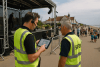
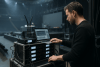
On-site, the company provides technical support to ensure that the digital infrastructure behind an event runs reliably. This covers areas such as check-in and badging, access control, scanning, and on-the-ground troubleshooting when integrations connect multiple systems. The intent is to connect pre-event strategy and setup with real-time operational delivery, particularly at larger or more complex events where platform knowledge and live problem-solving are critical.
Use cases: tech tours, wallet passes and QR-based journeys
To demonstrate how multi-platform strategies perform in real-world conditions, BW Events Tech has been involved in “tech tours” and practical deployment showcases. These initiatives allow event stakeholders to see different technologies functioning together in a live or simulated event environment, rather than only via product demos.
Among the specific solutions discussed were digital wallet passes and QR code integrations designed to streamline attendee journeys. Wallet passes can place tickets, access credentials or key event information directly in a smartphone’s native wallet app, reducing reliance on printed badges or separate emails. This approach can improve throughput at entrances and provide a familiar interface for participants.
QR codes are being used to connect physical and digital touchpoints across the event experience. Examples include codes on badges for lead retrieval and session check-in, links to dynamic agendas, or connections to exhibitor content. By combining QR-triggered actions with underlying event platforms and CRM tools, organisers can simplify navigation for attendees while capturing structured data on engagement.
These deployments reflect a broader trend toward using simple, widely understood interfaces as the front door to more complex event tech ecosystems. The emphasis is on making the attendee-facing layer intuitive, while maintaining flexibility and integration options behind the scenes.
Industry impact: collaboration across vendors and stakeholders
The growth of platform-agnostic service providers is influencing how event technology vendors and organisers collaborate. Rather than working in isolation, platform providers increasingly need to support open APIs, data portability and flexible integration pathways so that their tools can sit within larger tech stacks.
For organisers, this can mean more realistic options to mix and match systems over time, adjusting as event strategies evolve. It also encourages a different type of partnership model in which independent specialists take responsibility for design and orchestration of the tech stack, while vendors focus on improving their core products.
BW Events Tech’s activities sit within this broader movement. By engaging with multiple platforms, the company gains insight into where integrations work well and where common friction points occur, such as data synchronisation, identity management or reporting consistency across systems. This knowledge can then feed back into implementation plans and, in some cases, inform platform roadmaps through client feedback.
Why this matters for event professionals and technology providers
For event organisers, the platform-agnostic approach reflects a shift from product-first to strategy-first thinking. Instead of starting with a preferred vendor and building the event around its capabilities, teams can define desired attendee journeys, stakeholder objectives and data requirements, then assemble a technology mix to support those needs.
This model can be particularly relevant for organisations with varied event portfolios, where a single platform may not be optimal for every format or audience segment. Working with specialists who understand multiple systems may reduce risk when experimenting with new event types or integrating emerging tools such as advanced networking, AI-assisted matchmaking or expanded mobile experiences.
For technology providers, the rise of independent technical partners highlights the importance of interoperability and transparent documentation. Vendors that support robust integrations and open collaboration may find it easier to be included in multi-platform deployments. Clear guidance on APIs, data models and security practices becomes critical when third parties are responsible for implementation and live operations.
As attendee expectations continue to increase, both organisers and vendors are under pressure to deliver reliable, intuitive experiences. Service providers that can translate between business objectives, platform capabilities and on-site realities are likely to play a larger role in how event technology ecosystems are designed and maintained.
Conclusion
BW Events Tech’s platform-agnostic positioning illustrates a broader industry shift toward flexible, integrated event technology strategies. By offering consulting, implementation and on-site support across multiple platforms, the company aims to help organisers navigate a complex market while focusing on practical attendee experience improvements such as wallet passes and QR-enabled journeys.
As event portfolios grow more sophisticated and hybrid formats remain in demand, the ability to orchestrate diverse technologies coherently may become a key differentiator for both organisers and their technology partners. The ongoing development of neutral, implementation-focused services suggests that the future of event tech will be less about committing to a single platform and more about building adaptable stacks that can evolve alongside audience behaviour and organisational goals.