American Express Stadium evolves tech-led festive events
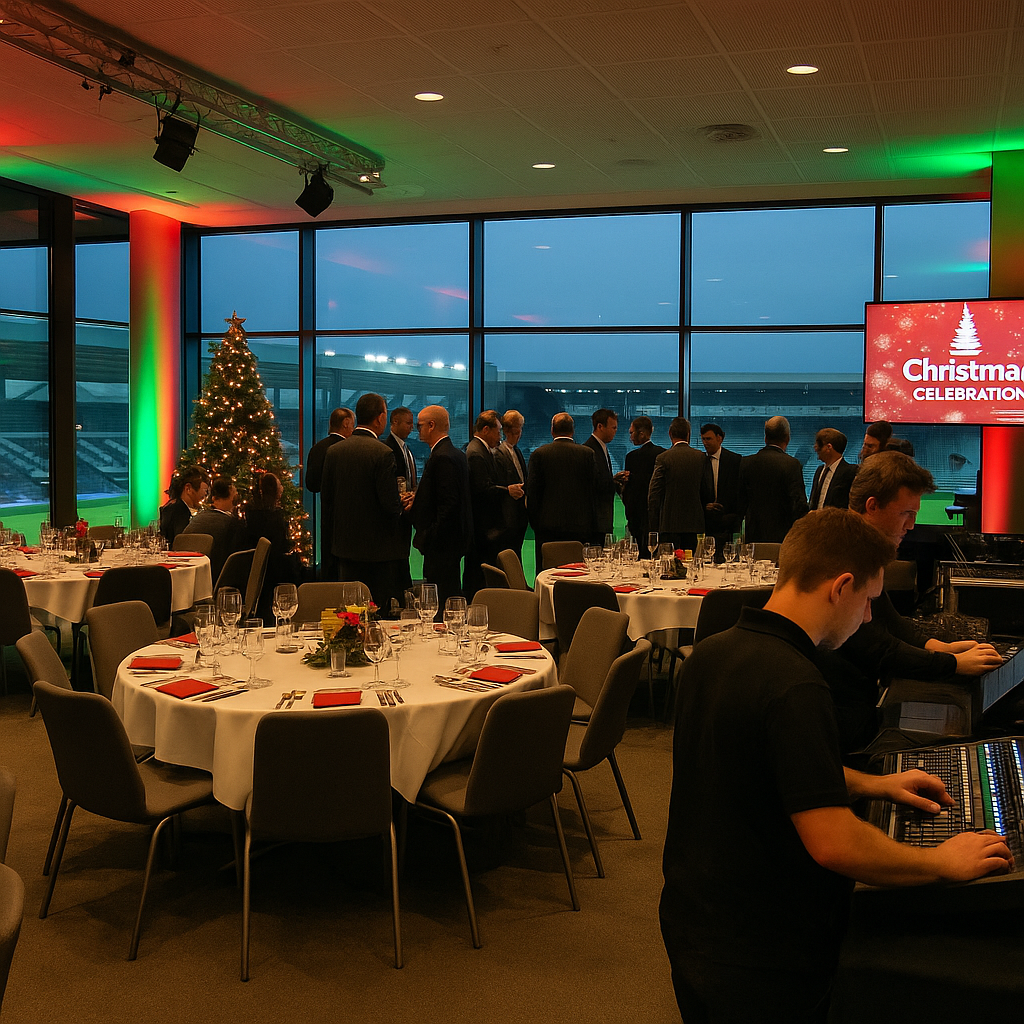
The American Express Stadium, home to Brighton & Hove Albion FC, is positioning itself as a case study in how large venues can modernise their Christmas and year-end event offering. By combining flexible space design, upgraded audiovisual infrastructure and a hospitality-led approach, the stadium is targeting both corporate and private festive bookings in a highly competitive market for seasonal events.
While football fixtures remain its core business, the venue is increasingly using the Christmas period to demonstrate how a sports stadium can function as a fully equipped event environment, capable of hosting anything from traditional dinners to tech-enabled parties and hybrid gatherings.
Background: festive events under pressure to evolve
Across the UK, large venues and stadiums are under pressure to adapt their Christmas propositions. Corporate buyers in particular are moving away from one-size-fits-all party packages and looking for experiences that combine strong production values, reliable technology, and hospitality that reflects their brand and culture.
At the same time, many organisations are still managing distributed workforces or offering hybrid working, which affects how they plan seasonal celebrations. End-of-year gatherings now need to work for mixed groups that may include in-person, remote and international attendees, adding complexity to technical requirements and program design.
This shift has created opportunities for venues with the scale, technology stack and operational expertise to support more complex event formats. The American Express Stadium is one of a number of UK arenas and stadiums repositioning their Christmas product around flexibility, production, and experience design rather than purely food-and-beverage-led party nights.
Key developments in the stadium’s Christmas offering
The stadium’s festive strategy focuses on maximising its existing infrastructure as an all-season event venue while adapting the experience for December demand. Several elements underpin its current approach:
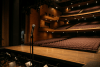
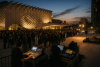
- Transformable event spaces: Suites, lounges and hospitality areas typically used on match days are reconfigured for Christmas parties and end-of-year functions. Spaces can be dressed for formal dinners, standing receptions, awards ceremonies or live entertainment formats, with layouts designed to make use of pitch views and stadium architecture.
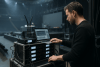
- Integrated AV and production: Built-in screens, sound systems and lighting rigs used for football operations double as event infrastructure. This allows organisers to incorporate branded content, presentations, live performances and interactive elements without starting from scratch on technical design.
- Premium hospitality focus: The venue is emphasising service, catering quality and bar operations as differentiators in a crowded marketplace for festive events. Menus and drinks packages are aligned with corporate expectations for client hosting while remaining suitable for private celebrations.
- Scalability for different group sizes: The stadium can host events ranging from small departmental gatherings through to large-scale company parties, with multiple parallel functions running across different spaces when required.
Although specific Christmas packages and pricing vary by season, the strategic direction is clear: the festive period is being used to showcase the venue’s ability to handle experience-led events, not just matchday hospitality.
Industry impact: stadiums as multi-use experience platforms
The way the American Express Stadium is approaching Christmas reflects a broader redefinition of what a modern stadium represents in the events economy. Where once these venues were predominantly match-focused with occasional ancillary bookings, many are now operating as multi-use experience platforms with sophisticated back-of-house technology.
For event planners, this can unlock options that were traditionally associated with conference centres or dedicated event venues, but with the added appeal of a high-profile sports location and large-scale production capabilities. The Christmas period, with its demand for themed, high-energy gatherings, is emerging as a proving ground for how effectively stadiums can deliver consistent experiences beyond sport.
In practice, this is influencing buyer expectations across the sector. As more delegates and employees experience year-end events in stadium environments with advanced AV, professional staging, and integrated branding, they are likely to expect comparable standards at other venues, including hotels and smaller function spaces.
Why this matters for event professionals and technology providers
For event planners, the evolution of stadium Christmas offerings has several practical implications:
- Greater choice of large-scale venues: Stadiums with established festive products give organisers an additional category of spaces to consider for high-capacity events, particularly when traditional conference centres are heavily booked in December.
- Built-in tech infrastructure: On-site LED screens, sound systems, presentation facilities and broadcast capabilities can reduce the need for extensive external technical build, potentially streamlining planning and setup.
- Experience-led programming: The combination of stadium architecture, pitch views and professional production facilities supports more immersive formats, from live entertainment and awards to hybrid end-of-year town halls.
For technology providers, stadiums refining their Christmas products create ongoing demand in several areas:
- AV upgrades and integration: As expectations rise around sound quality, lighting, and visual content during festive events, stadiums are under pressure to maintain and enhance their core systems.
- Content and show control: Coordinating festive theming, branded content and live entertainment across multiple spaces calls for reliable control systems and user-friendly interfaces for in-house teams.
- Hybrid and remote participation: While Christmas parties are primarily in-person, some organisations still wish to include remote teams. Stadiums with existing broadcast or streaming capabilities are well placed to support such formats.
The American Express Stadium’s approach illustrates how a sports venue can leverage its core infrastructure to meet these demands, even where the primary brief is hospitality rather than formal conferencing.
Conclusion
The American Express Stadium is using the Christmas season as a strategic showcase for its capabilities as a flexible, experience-led event destination. By combining transformable spaces, integrated technology and a premium hospitality model, it is competing for both corporate and private festive bookings in a crowded market.
For the wider event technology and venue ecosystem, the stadium’s direction reinforces a clear trend: major sports venues are no longer only matchday locations. They are increasingly operating as year-round canvases for high-production events, with Christmas functions acting as a visible testbed for how effectively they can blend infrastructure, creativity and service. Event professionals and technology providers that understand and support this shift stand to benefit as more organisations look beyond traditional function spaces for their flagship seasonal experiences.