Lime Venue Portfolio to Spotlight AI and Networking at The Meetings Show
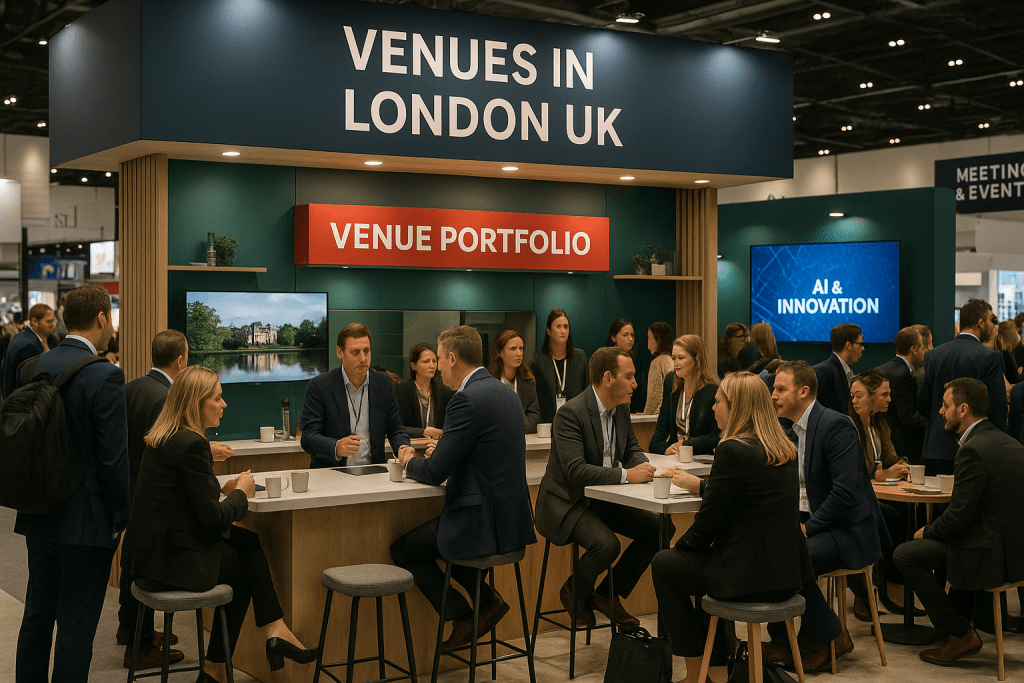
Lime Venue Portfolio (LVP) is preparing a multifaceted presence at The Meetings Show, combining education, networking and informal social activity in a bid to position its stand as a central meeting point for planners and venue partners. The company plans to use its so‑called LVP Kitchen concept to highlight emerging trends such as artificial intelligence, while also offering opportunities for buyers to discover a range of UK venues within its collection.
The programme around the stand is designed to appeal to corporate and agency planners who are looking for both practical insight and new supplier relationships. Alongside discussions on innovation and event design, LVP is planning informal gatherings, including a light‑hearted “kitchen disco” theme, to encourage relaxed conversations between visitors and venue representatives.
Background and industry context
The Meetings Show, held annually in London, has become a key marketplace for business events professionals seeking venues, technologies and services for conferences, meetings and incentive programmes. As planners increasingly look for hybrid‑ready spaces, stronger sustainability credentials and tech‑enabled experiences, venue groups are under pressure to differentiate through both product and knowledge.
Lime Venue Portfolio, which brings together a broad selection of UK venues under one sales umbrella, has used previous editions of the show to promote its collaborative approach with planners and agencies. In recent years, discussions at the event have shifted from basic venue capacities and locations to topics such as data, attendee experience design and the role of AI in planning and delivery. LVP’s latest plans reflect this evolution, with a greater emphasis on learning and peer‑to‑peer dialogue at its stand.
Key developments and stand highlights
This year, LVP intends to turn its stand into an active forum rather than a traditional static showcase. The LVP Kitchen will serve as a central space where planners can meet representatives from multiple venues, discuss upcoming briefs and take part in structured conversations on innovation in meetings and events.
AI is set to feature prominently in these discussions. LVP is expected to explore how emerging AI tools are influencing venue selection, proposal writing, audience engagement and event data analysis. While the group is not positioning itself as a technology provider, it aims to demonstrate how its venue teams are adapting to new client expectations shaped by digital tools and automation.
The stand will also host schedule‑driven networking sessions, giving buyers the chance to speak directly with venue stakeholders from across the UK. These interactions are designed to go beyond standard sales pitches, focusing instead on how venues can support more complex meeting formats, from hybrid AGMs to experiential product launches.
Adding a more informal layer, LVP plans to bring back its kitchen‑themed social element, including music and hospitality that extend into a “kitchen disco” atmosphere at specific times. The aim is to create a relaxed environment where conversations can continue after daytime meetings, helping planners build relationships in a less formal context while still within the show floor.
Industry impact
The approach reflects a wider trend among venue groups and destination collectives at trade shows, where stands are increasingly designed as mini‑forums rather than purely promotional spaces. By combining education, networking and social experiences, LVP and similar organisations are responding to buyer feedback that values both learning and efficient supplier discovery in a single visit.
For venue operators, aligning with topics such as AI, innovation and future‑ready event design can help shift the conversation away from commoditised elements like room rates and basic facilities. Instead, they can position themselves as strategic partners who understand the changing requirements of event organisers, including the need for flexible layouts, robust connectivity and data‑friendly infrastructure.
For The Meetings Show as an event, activations like the LVP Kitchen contribute to the show’s role as a live laboratory for new formats. By hosting informal discussions on technology and practice directly on the show floor, organisers can complement the formal education programme and encourage attendees to exchange insights in real time with both peers and suppliers.
Why this matters for event professionals and technology providers
For event planners, the expanded LVP presence offers a concentrated opportunity to evaluate multiple UK venues while also testing ideas around AI and innovation. Being able to discuss factors such as bandwidth needs, content capture, hybrid production workflows and delegate data policies directly with venue teams can shorten planning cycles and reduce risk for complex events.
The focus on AI‑driven discussion is particularly relevant to professionals exploring tools for session design, audience matchmaking, real‑time translation or post‑event analytics. While venues are not typically the developers of these tools, their willingness to integrate with third‑party platforms and adapt operational processes is increasingly a deciding factor in venue selection.
Technology providers serving the meetings market may also view initiatives like the LVP Kitchen as a signal that venue groups are open to partnerships and integrations. As more venues invest in improved Wi‑Fi, AV capabilities and data security, there is scope for closer collaboration on end‑to‑end event delivery, from registration systems and mobile apps to on‑site engagement tools.
In addition, the social aspects planned around the stand highlight the continuing importance of informal networking within the business events ecosystem. For many attendees, key supplier introductions and collaboration ideas emerge not during scheduled sessions, but in more relaxed conversations, which LVP is aiming to facilitate with its kitchen‑inspired setting.
Conclusion
Lime Venue Portfolio’s plans for The Meetings Show underline how venue collectives are evolving their presence at trade events, shifting from static displays to more interactive and content‑driven environments. By combining discussions on AI and innovation with structured networking and informal social moments, the group aims to position its LVP Kitchen as a busy hub for planners seeking both insight and new venue partners.
For organisers attending The Meetings Show, the stand is likely to offer a snapshot of how UK venues are responding to changing client expectations, particularly around technology readiness and flexible event formats. For venue and technology providers, it serves as another example of how trade show participation is becoming more experiential and collaborative, mirroring the very events that the industry designs and delivers throughout the year.