CHS Manchester 2024 reveals exhibitor mix for launch show
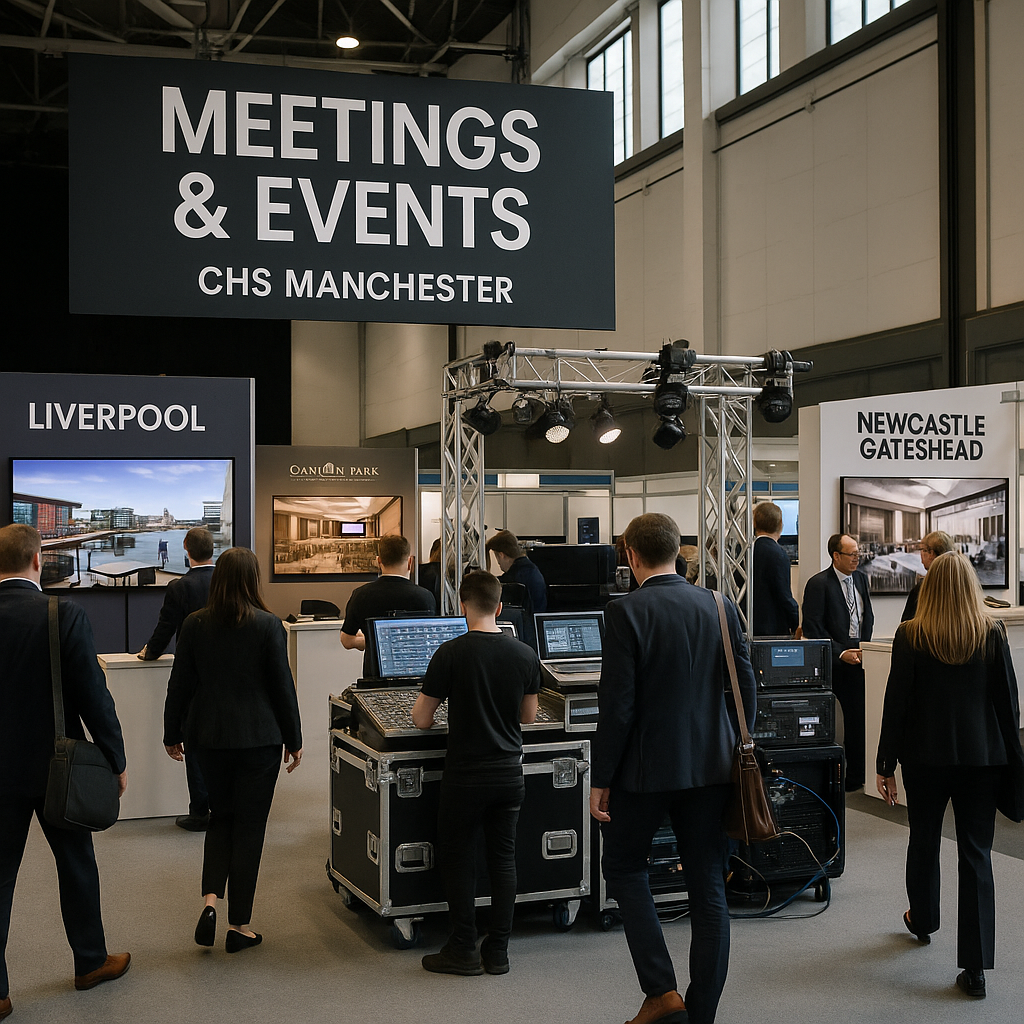
Event planners preparing for the autumn season will have a new marketplace to explore as CHS Manchester readies its first edition with a curated exhibitor line-up aimed at buyers managing tighter budgets and changing attendee expectations. The launch event will bring together a broad mix of international hotel groups, individual venues, destination marketing organisations and specialist service providers under one roof in Manchester.
The organisers position the show as a focused forum where corporate, agency and association planners can benchmark options, compare rates and discuss flexible solutions for meetings, incentives and conferences at a time when cost control and measurable outcomes are at the top of the agenda.
Background and industry context
Across the business events sector, organisers are under pressure to deliver high-quality delegate experiences while contending with constrained budgets, shorter lead times and volatility in travel and accommodation costs. At the same time, participants expect more personalised content, better networking opportunities and integrated digital touchpoints around the event journey.
These dynamics are driving buyers to seek more direct conversations with venues, destinations and suppliers about commercial models, value-add services and long-term partnerships. Regional trade shows that connect buyers with a concentrated pool of suppliers have increasingly become a practical way to source options without committing to long-haul travel or large-scale global exhibitions.
Against this backdrop, Manchester’s position as a major UK hub for business events makes it a logical location for a new meetings and hospitality showcase, pulling in both northern-based organisers and national planners looking for alternatives to London-centric events.
Key developments and exhibitor announcement
The launch edition of CHS Manchester will feature an exhibitor roster spanning several core categories of the meeting and events supply chain. Organisers have highlighted the presence of international and UK hotel brands, well-known city and regional venues, destination representatives and niche providers that support the wider event delivery ecosystem.
For buyers, the hotel presence is expected to be a central draw, with large portfolios offering access to properties across multiple cities, alongside independent or boutique hotels targeting more experiential programmes. This mix allows planners to review accommodation options suitable for everything from small leadership retreats to large residential conferences.
In addition to accommodation, the exhibitor list includes purpose-built convention centres, historic and cultural venues and multi-use event spaces. These suppliers are focusing on flexibility around room layouts, hybrid-capable infrastructure, and the ability to host complex programmes involving plenary sessions, breakouts, exhibitions and evening functions.
Destination organisations are using the show to update planners on new infrastructure and transport links, city developments and incentive options. For many regional and international destinations, Manchester provides access to UK buyers who may not be attending larger global trade fairs but are actively sourcing locations for future meetings and incentive travel.
Specialist suppliers complete the line-up, including companies offering event production, AV, staging, décor, teambuilding, event technology, and other support services. Their presence is intended to help organisers manage every element of the event lifecycle, from creative concept and content delivery through to onsite execution and post-event engagement.
Industry impact and market positioning
The launch of CHS Manchester adds another regional show to the UK’s calendar of business events marketplaces, signalling sustained demand from buyers for targeted, time-efficient sourcing opportunities. While large international trade fairs continue to serve global planners and destination marketing organisations, smaller regional events can allow suppliers to have more in-depth conversations with qualified buyers in a less crowded environment.
For hotels and venues, participation provides a platform to address current commercial realities directly with decision-makers. Many are adjusting rate strategies, exploring more agile contracting and offering value-based packages that bundle space, accommodation and services. The show environment enables candid discussion about minimum spends, attrition, sustainability expectations and the technical requirements of hybrid-ready spaces.
Destination exhibitors are likely to use the event to reinforce the message that second-tier cities and regional locations can compete on value while still delivering strong delegate experiences. As some organisations seek to reduce travel-related emissions or diversify away from traditional capitals, such shows can accelerate discovery of emerging or underused destinations.
Why this matters for event professionals and technology providers
For event professionals, the exhibitor spread at CHS Manchester reflects a broader shift towards integrated sourcing. Rather than focusing purely on a venue or a hotel, planners increasingly want to assemble a joined-up solution that covers destination access, accommodation, content spaces, production, and technology. Being able to meet multiple players in that chain in one location can shorten research cycles and clarify trade-offs between cost and experience.
The presence of production and specialist suppliers also underlines the growing complexity of event formats. Even when an event is primarily in-person, planners are designing programmes with digital amplification, on-demand content and more sophisticated staging. Technology providers that can support reliable connectivity, content capture, hybrid participation options and data insight have an opportunity to position themselves as essential partners rather than optional add-ons.
Budget constraints are prompting buyers to ask harder questions about ROI from every supplier relationship. Exhibitors at CHS Manchester will need to demonstrate clear value, whether through flexible contracting, efficiencies in delivery, or tools that help organisers measure engagement and outcomes more effectively.
For technology and service providers, participation at such regional trade shows can be a route to reach mid-market and regional planners who may not attend larger international exhibitions but nonetheless manage significant annual event portfolios. Establishing visibility and trust in these environments can feed into longer-term partnerships and framework agreements.
Conclusion
With its first edition, CHS Manchester is aiming to provide a concentrated sourcing platform for organisers navigating constrained budgets and rising stakeholder expectations. By assembling international hotel brands, distinctive venues, destinations and specialist suppliers, the show seeks to address the full spectrum of requirements involved in planning contemporary business events.
As the business events sector continues to adjust to new economic and attendee dynamics, regional marketplaces such as this are likely to play a growing role in connecting buyers and suppliers. For planners, the event offers an additional opportunity to benchmark options and refine their procurement strategies; for suppliers, it represents a chance to engage closely with the needs of a market still evolving in the wake of significant industry change.