Introduction
In recent years, the way we experience events has undergone a radical transformation. From virtual conferences to immersive interactive experiences, technology has played a pivotal role in reshaping how we connect, learn, and communicate in large gatherings. Among these innovations, Silent Conference solutions have emerged as one of the most significant breakthroughs in event management. Offering a range of technical and logistical benefits, Silent Conference technology is revolutionizing the way events, seminars, conferences, and even festivals are conducted, allowing for a more controlled, inclusive, and personalized experience for attendees.
This article delves into the core technical components of Silent Conference systems, their advantages, how they address typical event challenges, and how they are being implemented in real-world scenarios across various industries.
What is a Silent Conference?
A Silent Conference involves the transmission of audio directly to attendees via wireless headsets, replacing traditional speaker systems. This setup eliminates the need for loudspeakers and microphones, creating a quiet environment where participants can focus on the content without distractions. Instead of hearing one speaker through a PA system, participants in a Silent Conference can choose from multiple audio channels, each broadcasting a different session or language translation.
The system allows for enhanced control and flexibility, as multiple sessions or speakers can be heard simultaneously, without interference from competing sound sources. Whether it’s a multilingual conference with live translations or a multi-track seminar, Silent Conference solutions provide the infrastructure necessary to handle these complexities in a seamless manner.
Key Technical Components of Silent Conference Solutions
To fully understand how Silent Conference solutions work, it’s important to examine the core technical components that make this technology effective.
Wireless Headsets
The wireless headsets used in Silent Conference setups are an essential part of the technology, enabling attendees to receive high-quality audio without the need for external speakers.
Key Features of Wireless Headsets:
- Adjustable Volume Control: Each headset features volume controls that allow users to adjust the sound to their preference, ensuring the best experience regardless of the environment.
- Multiple Channel Support: The headsets can receive multiple audio signals, making it possible for attendees to choose the feed that suits them. For example, at an international conference, different language translations might be available.
- Comfortable Design: Designed for long-duration wear, the headsets feature padded ear cups, adjustable headbands, and lightweight materials to ensure that they remain comfortable for extended periods.
- Noise Isolation: Many models come equipped with noise-cancelling technology that isolates the listener from external sounds, providing a richer audio experience.
The headsets serve as the key to personalizing the conference experience, giving attendees the power to choose their preferred audio channel without the distractions of a traditional speaker system.
Click here to learn about The Power of Silent Conferences: Engage Like Never Before and Silent Conference Revolution: Redefining Audience Interaction.
Transmitters and Audio Sources
Transmitters are responsible for broadcasting the audio signals from the various sources (e.g., microphones, media players) to the wireless headsets. These transmitters are connected to audio inputs and send signals to the receivers in the headsets over a radio frequency.
Key Functions of Transmitters:
- Multiple Audio Channels: Transmitters can handle several audio channels simultaneously. This is particularly useful in multi-session or multilingual events, where each session or language might have its own dedicated channel.
- Signal Range: The transmitters need to have a sufficient range to cover the entire event venue. High-quality transmitters can handle large spaces, ensuring that all attendees receive a consistent signal, even in large conference halls or outdoor events.
- Signal Clarity: Modern transmitters are designed to minimize interference, ensuring that the audio signals are clear and free from distortion, even in environments with other wireless devices operating nearby.
Audio Inputs (or sources) are the devices that generate the audio being broadcast. This could be a microphone for a speaker’s voice, a video stream, or even pre-recorded content played during a session. The audio input is routed to the transmitter, which sends the signal to the headsets.
3. Audio Channels
One of the standout features of Silent Conference technology is its ability to broadcast multiple audio channels simultaneously. This feature enables event organizers to offer several sessions or presentations at the same time without the issue of noise contamination.
Types of Audio Channels:
- Session-Based Channels: If an event has multiple concurrent sessions, each one can be assigned to its own dedicated channel. Attendees can switch between channels based on the session they are interested in attending.
- Translation Channels: Silent Conference systems are especially valuable at multilingual events, where each language can be broadcast on a separate channel. Attendees can select their preferred language feed and follow the presentations in their own language.
- Multiple Audio Feeds: For events like music festivals or live performances, multiple audio streams can be broadcast, allowing attendees to listen to different performances or speakers simultaneously, providing a more personalized experience.
This system significantly enhances the flexibility and scalability of an event, allowing for complex, multi-faceted programs to run smoothly.
Signal Distribution System
The signal distribution system is the central control unit of the Mastering Silent Conference setup. This system is responsible for managing the transmission of audio signals to various channels and distributing them to the right receivers.
Key Features of the Signal Distribution System:
- Centralized Control: The entire system is usually managed from a centralized unit or software interface that allows event organizers to control and monitor the different audio feeds.
- Signal Routing: It routes the audio from various sources to the appropriate transmitters and, from there, to the headsets.
- Scalability: These systems are highly scalable, making them ideal for large-scale events with thousands of attendees. Event organizers can add more transmitters or channels as needed.
- Redundancy: Some advanced systems come with built-in redundancies to ensure that the signal is consistent and uninterrupted, even in large venues or during high-demand events.
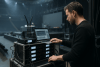
Charging Stations
Charging stations are an essential aspect of any Silent Conference setup. Wireless headsets require periodic charging, and event organizers must ensure that participants have access to charging facilities during breaks or between sessions.
Key Features of Charging Stations:
- High-Capacity Charging: Stations are designed to charge multiple headsets at once, minimizing downtime and ensuring that all headsets are fully powered throughout the event.
- Fast Charging: Many charging stations use fast-charging technology to reduce the time needed to recharge the headsets, ensuring they are ready for the next session.
- Convenience: Charging stations are strategically placed throughout the venue, making it easy for attendees to drop off and pick up their headsets without any hassle.
The inclusion of charging stations ensures the seamless operation of the Silent Conference system, giving attendees peace of mind that their devices will remain charged and functional.
Technical Advantages of Silent Conference Solutions
The introduction of Silent Conference systems comes with a wide range of technical advantages, making them an invaluable tool for modern event management. Some of the key benefits include:
Noise Reduction and Controlled Environment
One of the most significant advantages of Silent Conference technology is the reduction of noise. Traditional conferences often suffer from background noise, especially when multiple presentations or sessions occur simultaneously. The use of wireless headsets in Silent Conferences eliminates the need for external loudspeakers, creating a controlled environment where attendees can focus on the content without distractions.
Key Benefits:
- Quiet Conference Environment: Attendees experience less distraction from other sessions or external sounds, which leads to better focus and understanding.
- Improved Acoustic Quality: Without the need for PA systems, the risk of sound distortion or echoing is minimized.
Simultaneous Translation and Multi-Language Support
Silent Conference success is particularly beneficial for international events that require multiple language options. By broadcasting different translations on separate audio channels, the system allows attendees to follow the presentations in their preferred language.
Key Benefits:
- Increased Accessibility: Participants from different countries can engage with the content in a language they understand, making the event more inclusive.
- Reduced Need for Live Interpreters: Live translation services can be costly, but Silent Conference systems offer a more scalable and affordable alternative.
Enhanced Audio Quality
In traditional setups, the quality of audio can often be compromised due to the limitations of PA systems, especially in large or acoustically challenging spaces. Silent Conference technology, however, ensures that each attendee receives high-fidelity audio directly to their headphones.
Key Benefits:
- Crisp and Clear Sound: The audio is delivered directly to the headsets, minimizing distortion and ensuring high-quality sound.
- No Interference: With no competing audio sources, the sound is clean and uninterrupted, allowing for a superior listening experience.
Personalized Experience for Attendees
Silent Conference solutions offer a high degree of personalization. Attendees can choose from various channels, selecting the audio that best fits their needs. Whether it’s choosing between multiple speakers, different session topics, or selecting a preferred language, the technology enables a more individualized experience.
Key Benefits:
- Tailored Content: Attendees can engage with the content they are most interested in, without being limited to one session or language feed.
- Increased Engagement: By allowing participants to choose their preferred feed, engagement levels are often higher.
Cost and Space Efficiency
While the initial investment in a Silent Conference system may be substantial, the long-term benefits outweigh the costs. Traditional sound systems for large events can be expensive to install, maintain, and operate. Silent Conference systems, on the other hand, reduce the need for bulky equipment, saving on both costs and space.
Key Benefits:
- Lower Setup and Maintenance Costs: Fewer audio systems and less infrastructure are required, reducing costs.
- Space Savings: Without the need for multiple loudspeakers and microphones, more space is available for seating or other activities.
Applications of Silent Conference Solutions
Silent Conference technology is highly adaptable and can be used across a wide range of event types. Below are some common applications:
Corporate Conferences and Seminars
At corporate events, Silent Conference solutions can be used to manage multiple workshops and sessions. With various tracks running simultaneously, each session can have its own dedicated audio channel, allowing attendees to choose the session they want to follow.
International Events
For international conferences or summits, Silent Conference technology enables simultaneous language translations, allowing attendees from various countries to follow along in their native language. This is particularly beneficial in global meetings, where a diverse audience needs to understand complex content.
Live Performances and Festivals
Silent Conference solutions are also ideal for live events such as concerts, music festivals, and theater performances. Attendees can select from different performances, reducing the noise in the environment and allowing for a more enjoyable experience.
Expos and Trade Shows
At trade shows, exhibitors can use Silent Conference headsets to provide detailed product demonstrations or run parallel presentations without competing with the noise of other booths.
Summary of Silent Conference Solutions
The Silent Conference solution has fundamentally changed the way events are organized and experienced. From reducing noise and enhancing engagement to offering simultaneous translations and high-quality audio, these systems provide a wide array of benefits for organizers and attendees alike. As the event industry continues to evolve, the demand for Silent Conference solutions is likely to grow, making it an essential tool for modern event management.
By providing greater flexibility, reducing logistical headaches, and offering a personalized experience, Silent Conference technology is setting the stage for the next generation of immersive and efficient events.
YouTube Videos on Silent Conference Solutions
Academic References for Silent Conference Solutions
- [BOOK] The small conference: An innovation in communication
- A silent evolution: innovative and inclusive narratives on sustainability
- Dreams of silence: Employee voice and innovation in a public sector community of practice
- Sustainability Jam Sessions for vision creation and problem solving
- Design and social innovation at the margins: Finding and making cultures of plurality
- [BOOK] Events management
- [BOOK] Experiential marketing: A practical guide to interactive brand experiences
- [BOOK] Festival & special event management
- [PDF] Make-a-thon: A blueprint for SDG-driven innovation
- Implementing Marketing Strategy During The Covid-19 Pandemic