New Venue Roundup in Houston and San Antonio for Fall Meetings
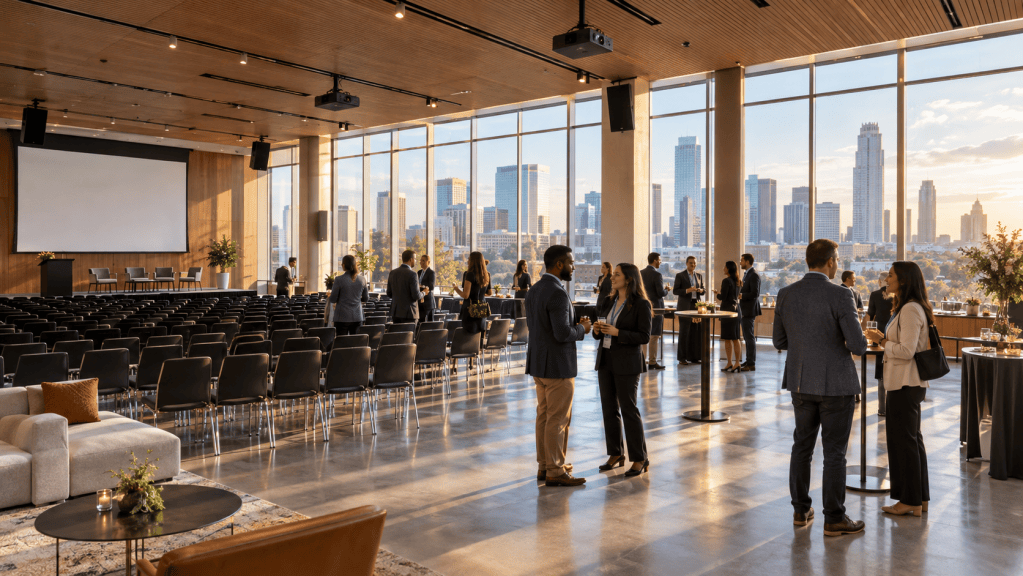
Venue Landscape in Houston and San Antonio for Fall Meeting season
Event planner demand for fresh restaurant, hotel, meeting, and event space options in Houston and San Antonio is fueling attention on recently opened properties ahead of the fall meeting season. Both Texas cities continue to build out hospitality infrastructure that can support corporate meeting, incentive, association, and experiential event programs.
Restaurant and Hotel option growth in Houston
Houston remains a major corporate meeting destination in the Southwest, and new restaurant and hotel openings are expanding the choices for planners. Recently opened properties are positioning themselves for private dining, board meeting, and reception business, as well as buyouts for larger brand experiences.
Many of these additions are focusing on flexible floor plan design that can accommodate both smaller breakout groups and larger plenary gatherings, along with upgraded audiovisual support and stronger connectivity for hybrid participation.
Meeting Space and Event venue expansion in San Antonio
San Antonio is also adding fresh event venue inventory, complementing its established convention and resort offering. New meeting and event spaces are being designed with corporate and association needs in mind, with attention to prefunction circulation, natural light, and guest flow for exhibits and networking.
Recent restaurant and entertainment venue debuts are opening additional options for off-site receptions and team-building programs, helping planners diversify agendas beyond traditional ballroom environments.
Implications for Meeting planner strategy
The continued rollout of new venues in Houston and San Antonio gives event professionals more leverage when sourcing space for fall 2026 and beyond. Planners who are evaluating these markets can consider how recently opened hotels, restaurants, and stand-alone meeting facilities might support program goals around attendee experience, brand alignment, and budget.
- Corporate meeting and event teams can explore private dining rooms and semi-private restaurant areas for client entertainment and leadership sessions.
- Association and trade event organizers can look at new meeting complexes and mixed-use developments for off-site education, receptions, or satellite activations around citywide events.
- Production partners and audiovisual suppliers may find new collaboration opportunities as venues invest in built-in technology and flexible event infrastructure.
As the competitive set of properties grows in both cities, venue differentiation around technology readiness, sustainability practices, and experiential design is likely to be a central consideration for planners building their shortlists.