Kygo world tour adopts Sennheiser Spectera for in-ear monitoring

Background and context
As live productions return to full scale, many touring artists and engineers are reassessing their monitor setups, particularly for complex, high-energy shows. Norwegian DJ and producer Kygo is among those experimenting with newer approaches to in-ear monitoring on his current world tour.
On this run of dates, the touring team has adopted Sennheiser’s Spectera system, a relatively new digital in-ear monitoring (IEM) platform designed to deliver personalized audio mixes to multiple performers on stage. The move comes as artists seek greater control, consistency, and comfort from their IEM rigs across different venues and festival environments.
Key announcement
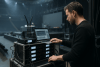
The tour’s production has integrated Sennheiser Spectera as the core in-ear monitoring solution for Kygo and key members of the live band and crew. According to the manufacturer, Spectera is built around a digital RF platform that supports high channel counts and detailed, per-user configuration.
On Kygo’s tour, Spectera is being used to provide individualized mixes, with engineers able to fine-tune frequency response and listening profiles based on each performer’s preferences. The system is also intended to help maintain stable, low-latency transmission in RF-heavy environments such as stadiums and major festival stages.
The monitoring setup complements a large-scale production that includes live instruments, playback elements, guest vocalists, and extensive timecode-driven lighting and video. A key requirement has been ensuring that all performers hear tightly synchronized audio regardless of their position on stage, while managing RF coordination under demanding tour schedules.
Sennheiser positions Spectera as a next-generation IEM solution for touring and installed live-sound applications. More information on the system’s technical capabilities and configurations is available via the company’s official website at sennheiser.com.
Industry impact
The deployment of Spectera on a high-profile, global tour places the system in direct view of touring professionals, including monitor engineers, production managers, and system designers. Large-scale tours often act as proving grounds for new audio platforms, and successful implementations can influence purchase decisions across the live sound sector.
For monitor engineers, the Kygo tour use case highlights practical aspects such as RF performance in challenging environments, how well digital IEM platforms integrate with existing consoles and networked audio systems, and the reliability of personalized mixes night after night. The adoption of Spectera also underscores the broader industry trend toward higher-density RF usage and more granular control over each performer’s listening experience.
As festivals and arena tours continue to run overlapping RF systems for microphones, in-ears, comms, and broadcast feeds, any new platform that promises more flexible spectrum use and robust transmission will draw attention from technical teams seeking to reduce interference and streamline coordination.
Why this matters
For event technology professionals, the Kygo tour’s monitoring setup points to several emerging priorities in live production. First, artists and engineers are demanding more individualized and consistent monitoring, particularly in genres that mix live performance with extensive playback and time-aligned visual content.
Second, as shows become more complex and travel across regions with different spectrum regulations, digital RF platforms that can adapt to varied conditions are becoming more relevant. Systems like Spectera represent an attempt to balance flexibility, audio quality, and reliability within a single IEM solution.
Finally, the adoption of such systems on major tours can accelerate broader market acceptance. Rental companies, venues, and production firms often look to high-profile tours as case studies when deciding where to invest in new equipment. If Spectera proves dependable under the demands of a world tour, it may influence future specifications for arena, festival, and broadcast events.
For now, Kygo’s touring production offers a real-world example of how next-generation in-ear monitoring platforms are being used in the field, providing a reference point for engineers evaluating their own monitoring strategies.