Sennheiser Group outlines product roadmap ahead of IBC 2026
Background and context
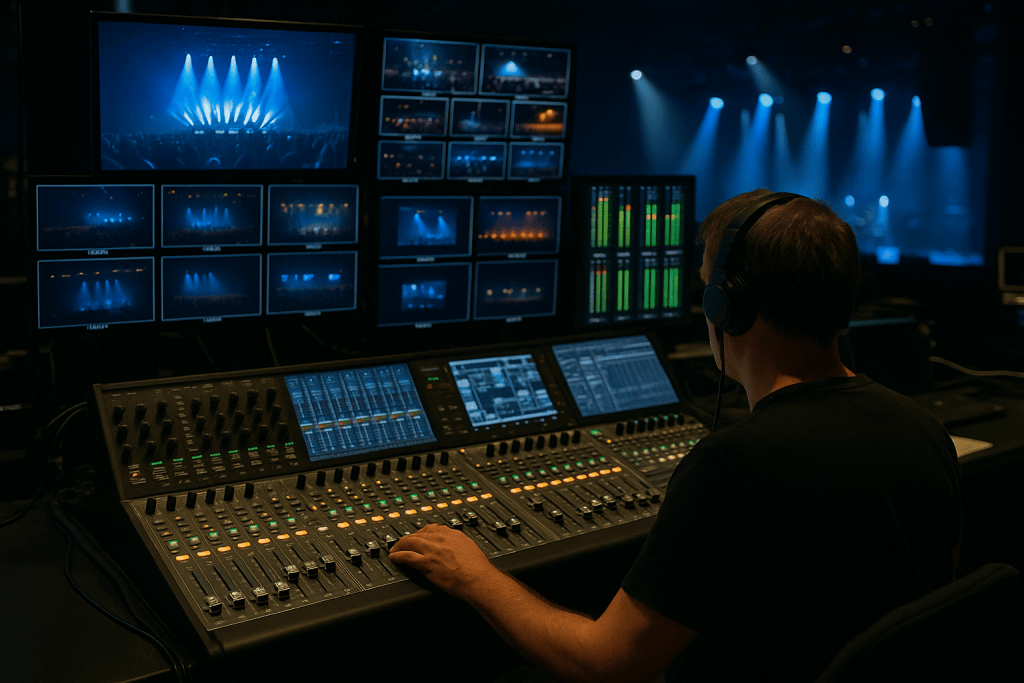
IBC remains one of the most important annual events for broadcast, media and live production professionals, bringing together manufacturers, engineers and content creators to assess new tools for audio and video workflows.

For audio specialists, the show has become a key platform to demonstrate how production sound is evolving, particularly around IP-based infrastructures, remote production and immersive formats. Companies use the event to test interest in new products, refine feature sets and confirm interoperability with wider industry standards.
Sennheiser Group, which includes the Sennheiser, Neumann and Dear Reality brands, is expected to use IBC 2026 to underline its strategy in professional audio for broadcast, live events and content creation. The company has been steadily expanding its focus on digital and networked audio over recent years, as broadcasters and event producers look for more flexible and scalable systems.
Key announcement
Ahead of IBC 2026, Sennheiser Group has signalled that its presence at the show will concentrate on tools for modern broadcast and live production environments. While full product details are typically confirmed closer to the event, the group is positioning its portfolio around three main areas: wireless production audio, studio and location capture, and immersive and spatial sound.
On the wireless side, the manufacturer is expected to continue developing systems aimed at complex broadcast workflows, including multi-channel setups for studio shows, sports and large live events. These solutions are increasingly being designed to fit into IP-centric infrastructures and to be remotely managed over networks.
In parallel, Neumann is likely to emphasise microphones and monitoring tools that bridge studio, post-production and content creation use cases, while Dear Reality continues to focus on software for immersive and spatial audio, including binaural monitoring and spatial mixing environments.
Sennheiser Group has indicated that its IBC plans will also highlight interoperability with common broadcast standards and production tools. That includes integration into existing mixing, routing and control systems, as well as workflows that can move content from set or stage to post-production with minimal friction.
Further information about the group’s product lines and updates is available via the official Sennheiser website at sennheiser.com.
Industry impact
For broadcasters and event technology providers, the areas flagged by Sennheiser Group align with broader trends in the market. IP-based production facilities are now common, and production teams increasingly expect wireless systems, microphones and monitoring tools to integrate directly with networked infrastructures.
At the same time, immersive audio is moving from experimental projects into regular use for live sports, entertainment formats and streaming platforms. Tools that can capture, monitor and deliver spatial mixes in a reliable and repeatable way are becoming part of the standard equipment list for many facilities.
Manufacturers that can demonstrate robust workflows at large trade shows often influence purchasing decisions for the coming budget cycles. IBC 2026 is likely to be used by engineering teams to compare different approaches to network management, spectrum efficiency, latency performance and spatial mixing tools.
Why this matters
For event technology professionals, Sennheiser Group’s direction for IBC 2026 indicates where a major audio supplier sees demand growing. A stronger focus on IP integration suggests that wireless mics, in-ear systems and monitoring chains will continue to move deeper into IT-managed infrastructures rather than remaining standalone solutions.
The emphasis on immersive and spatial production also matters for venues and live event producers. As broadcasters, streaming platforms and audiences become more accustomed to multi-dimensional sound, pressure grows on sound teams to capture and deliver these formats consistently, both in the venue and for remote audiences.
IBC 2026 will therefore serve not just as a showcase for new products, but as a reference point for how audio workflows in broadcast and live production are evolving. Decisions made around tools presented at the show are likely to influence how events are captured, mixed and delivered over the next several years.