Kygo adopts Sennheiser Spectra in-ear system for world tour monitoring
Background and context
As live tours scale up in complexity and production value, artists and engineers are demanding more from in-ear monitoring systems. Consistent coverage in large arenas, higher audio fidelity and reliable RF performance have become central requirements for international touring acts.

Norwegian DJ and producer Kygo is among the current wave of artists updating their monitoring setups as they head back on extensive world tours. His shows combine live musicians, guest vocalists and hybrid DJ performance, placing particular demands on monitoring accuracy and latency.
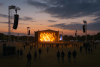
On his latest tour, Kygo and his crew have adopted Sennheiser’s new Spectra digital in-ear monitoring platform, positioning the system as the backbone of on-stage audio monitoring across multiple continents and venue types.
Key announcement
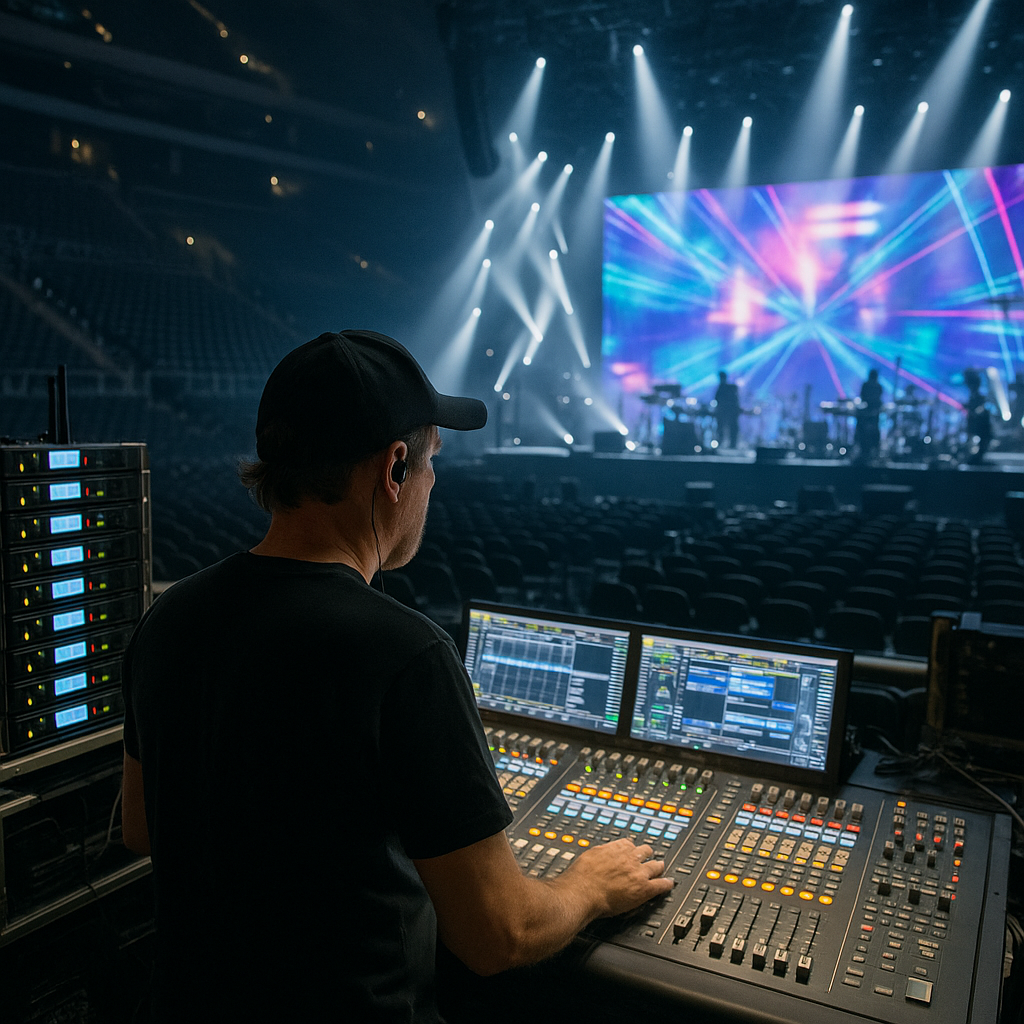
Sennheiser has confirmed that Kygo’s current world tour is using the Spectra in-ear system as its primary monitoring solution for the artist and band. The deployment marks one of the early high-profile, large-scale uses of the platform in a full touring environment.
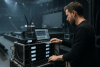
According to the manufacturer, Spectra is designed as a digital UHF in-ear system focused on high dynamic range, low latency and detailed sound reproduction. For Kygo’s shows, it is being used to deliver individual mixes to the artist, musicians and crew across the stage.
Tour engineers report that the system is handling a dense RF environment, with multiple wireless channels operating alongside LED walls, lighting networks and show control systems. Stability of the RF link and consistency of sound across different venues are key factors in the adoption.
Sennheiser notes that the configuration used on the tour is similar to what is being offered to other large productions: multiple transmitters and receivers, integrated with existing digital consoles and networked audio routes. More technical information about the system is available via the company’s official product pages at sennheiser.com.
Industry impact
The use of Spectra on a global tour places the system in direct comparison with established analog and digital in-ear platforms already common in arenas and festivals. For rental houses, production companies and engineers, Kygo’s adoption serves as a real-world trial of a relatively new technology at scale.
In-ear monitoring has moved from a specialist tool to a standard element of modern staging, particularly for pop, EDM and crossover shows that demand tight timing and clear mixes at high SPL levels. Digital systems like Spectra seek to address challenges such as interference, spectrum congestion and maintaining consistent audio quality from city to city.
Feedback from high-profile tours often influences purchasing decisions across the wider event technology market. If systems perform reliably under demanding conditions, they tend to find their way into mid-size tours, festivals and fixed installations over time.
Why this matters
Kygo’s decision to run a new digital in-ear monitoring platform on a world tour underlines how quickly monitoring technology is evolving in live production. For audio teams, the ability to deliver precise, repeatable mixes with minimal latency can directly affect artist performance and show consistency.
For event technology providers and venue operators, the move signals a gradual shift toward more advanced digital RF solutions as spectrum pressure increases, especially in urban arenas and multi-stage festivals. Systems that can maintain robust links in crowded RF environments are likely to gain traction.
While Spectra’s long-term place in the market will depend on wider adoption and feedback from a range of productions, its role on a globally touring show places it firmly on the radar of engineers planning future upgrades to their in-ear and wireless infrastructure.