Hilton Birmingham Metropole Marks 50 Years with Immersive Event
Hilton Birmingham Metropole has marked its 50th year in operation with an immersive, in-person showcase designed to demonstrate how large conference hotels are evolving to meet changing expectations around live, hybrid and experiential events.
Event buyers, agencies and industry partners were invited to an evening that turned the hotel’s meeting and event areas into a live demonstration of production techniques, creative theming and new approaches to attendee engagement. The celebration doubled as both an anniversary milestone and a working example of how the venue intends to support next-generation event formats.
Background and industry context
Located adjacent to the National Exhibition Centre (NEC) and Birmingham Airport, Hilton Birmingham Metropole has long been a fixture for large-scale conferences, exhibitions, association meetings and corporate gatherings in the UK. Over five decades, the property has hosted thousands of events, from major trade shows and international congresses to award ceremonies and internal corporate meetings.
The anniversary comes at a point when the business events sector continues to adapt to hybrid participation, increased digital production requirements and higher expectations around experiential content. Venues that historically focused on room capacity and location are under pressure to demonstrate more advanced technical capabilities, flexibility of space and support for content-rich formats.
Anniversary activities at the property were therefore positioned not just as a celebration of longevity, but as a signal of how established venues are rethinking their role in a more technologically driven and experience-focused events landscape.
Key developments and anniversary showcase
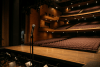
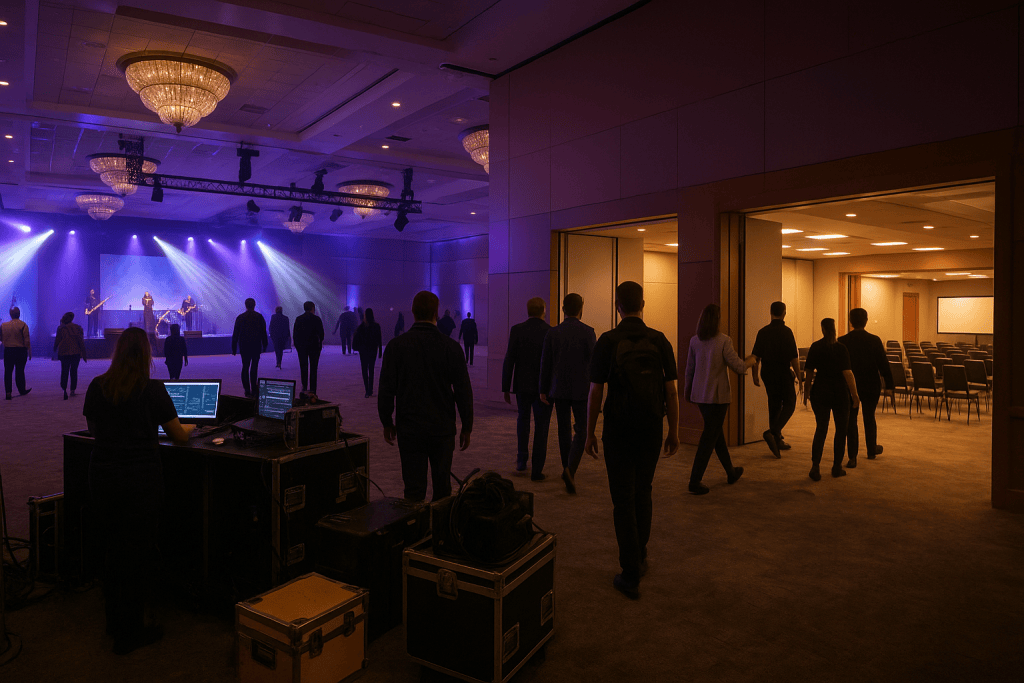
For the 50th anniversary, Hilton Birmingham Metropole staged an evening programme that led guests on a curated route through multiple event spaces within the hotel. Each area was adapted to highlight different styles of production, staging and content delivery that planners could deploy for conferences, exhibitions or gala events.
Invited buyers and agency representatives participated in guided site visits that combined traditional venue tours with live demonstrations. Instead of viewing empty function rooms, attendees experienced reconfigured environments showing how lighting, sound, staging, décor and digital content could transform the same physical space into multiple formats, from plenary sessions and breakouts to networking lounges and evening receptions.
Live entertainment formed a core component of the experience, illustrating how performance and interactivity might be integrated into event agendas. The programme incorporated a variety of acts and formats intended to demonstrate the logistical and technical considerations of running content-heavy schedules across multiple rooms.
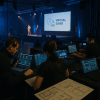
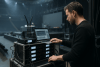
Production partners worked with the venue team to showcase different levels of technical delivery, from standard conference setups to more immersive treatments. This included examples of how organisers could use dynamic lighting, soundscapes, stage design and multimedia content to differentiate sessions and maintain attendee engagement over the course of an event.
Industry impact and signals for venues
The showcase underlined how large event hotels are positioning themselves as more than just spaces for hire, instead acting as partners in experience design and technical delivery. By turning its own anniversary into a demonstration platform, Hilton Birmingham Metropole highlighted several trends that are increasingly shaping venue strategy:
- Integrated production capabilities: Event organisers expect venues to accommodate more complex AV and staging requirements, including hybrid-ready setups, live streaming and high-end content playback.
- Flexible space configuration: The ability to re-theme and reconfigure rooms quickly is becoming central, particularly for events that move attendees through multiple formats in a single day.
- Experience-led design: Venues are emphasising attendee journeys, from arrival through to networking, with more focus on atmosphere, immersion and narrative flow.
- Closer collaboration with agencies: Buyers and agencies are being brought into the design process earlier, with site visits increasingly used as co-creation sessions rather than simple walk-throughs.
By placing these elements at the centre of its 50th anniversary programme, the hotel aimed to reinforce its relevance for organisers who now prioritise production values and experience design alongside capacity, accessibility and accommodation.
Why this matters for event professionals and technology providers
For event professionals, the approach taken to the anniversary points to a continuing shift in how venues market and deliver their services. Rather than focusing solely on square footage and delegate numbers, properties are being expected to demonstrate how they support content, creativity and technology integration across the lifecycle of an event.
For planners and agencies, this can mean:
- More informed site inspections: Live demonstrations of production possibilities can help decision-makers understand what is realistically achievable within a venue’s infrastructure.
- Reduced reliance on external builds: Where venues have invested in in-house or preferred production capabilities, organisers may be able to streamline logistics and reduce the need for extensive temporary installations.
- New formats for engagement: Immersive and multi-sensory setups provide options for rethinking plenary sessions, product launches and sponsor activations.
For technology providers and production companies, events such as this anniversary showcase signal ongoing demand for collaborative partnerships with venues. Hotels that serve as regional hubs for conferences and exhibitions are likely to look for solutions that enable faster room turnaround, more flexible rigging, integrated control systems and scalable hybrid capabilities.
There is also potential for closer integration between venue infrastructure and event platforms, particularly where properties wish to support streaming, on-demand content and data capture. While the anniversary event centred on in-person experiences, the same infrastructure and production approaches are often used to support hybrid and virtual extensions.
Conclusion
Hilton Birmingham Metropole’s 50th anniversary celebration offered more than a commemorative event; it functioned as a live case study in how a long-established conference hotel can adapt to contemporary expectations. By inviting event buyers and partners into an immersive walkthrough of transformed spaces, guided site tours, live entertainment and production-led setups, the venue used its milestone to underline future-facing ambitions.
For the wider events industry, the showcase reflects a broader pattern: venues competing not just on location and capacity, but on their ability to enable richer experiences, support advanced production and collaborate more closely with organisers. As event formats continue to evolve, similar demonstrations of capability are likely to become an increasingly common part of how venues communicate their value to planners, agencies and technology partners.