New Austin venues expand options for 2026 meetings and events
Background and context
Austin’s meetings and events market continues to grow as the city attracts more conferences, corporate gatherings, and experiential activations. Known for its technology sector, live music, and convention business, Austin has been investing heavily in new hospitality and event infrastructure.
Heading into summer 2026, planners will see a broader mix of spaces across the city, from hotel ballrooms and dedicated meeting facilities to restaurants and hybrid social-event venues. This expansion is particularly relevant as demand increases for flexible environments that can handle both in-person and technology-enabled experiences.
Key announcement
Five notable venues have recently opened in Austin, adding fresh options for organizers designing conferences, incentive trips, product launches, and corporate meetings. While each space targets a slightly different audience, together they reflect a trend toward multi-use layouts, integrated AV, and a stronger focus on attendee experience.
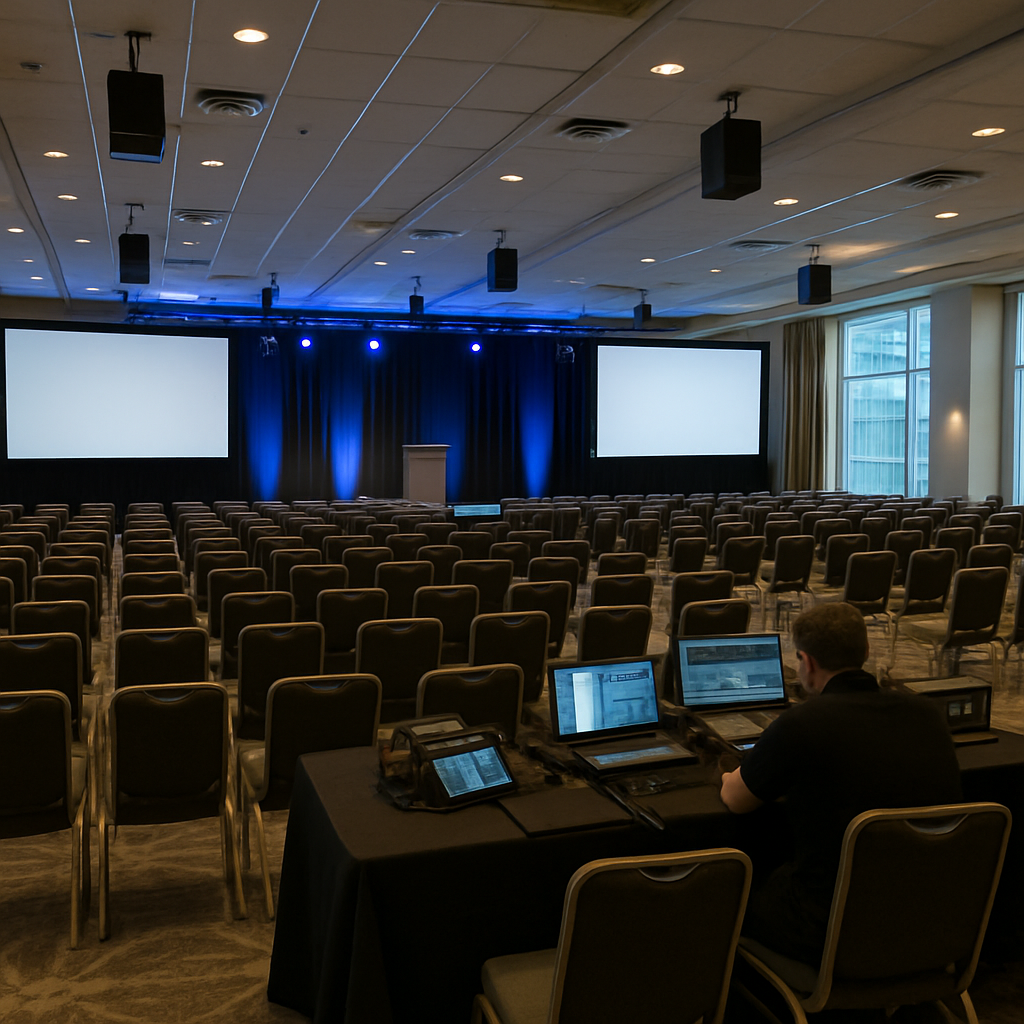
The new additions include a mix of full-service hotels with dedicated meeting floors, smaller boutique properties with adaptable social spaces, and standalone venues designed specifically for private events. Many of these locations feature built-in projection, upgraded sound, and flexible lighting suitable for presentations, panels, and hybrid formats.
Several of the venues also prioritize outdoor or semi-outdoor areas, such as rooftop terraces, patios, and courtyards. These spaces are being positioned as options for receptions, networking sessions, and informal breakout discussions, while still accommodating production needs like mobile sound systems and portable displays.
Industry impact
For event professionals, the emergence of new properties in Austin can help reduce pressure on the city’s most in-demand sites, particularly during peak convention months. Additional inventory also gives planners more negotiating leverage on dates, room blocks, and AV packages.
The variety of venue types means organizers can better match a space to the format of an event, whether that involves a traditional conference agenda, a more experiential tech demo environment, or small-group executive meetings. With more modern rooms and refreshed infrastructure, planners are likely to see improved support for livestreaming, hybrid participation, and high-quality recording.
From an operational standpoint, the venues are aligning with current expectations for robust connectivity and integrated technology. This includes higher-capacity Wi-Fi, support for complex stage setups, and flexible seating layouts that can be reconfigured quickly between sessions. Many of the new properties highlight collaboration with local production partners, which can streamline planning for out-of-town organizers.
Why this matters
Austin’s expanding venue landscape is significant for event technology professionals evaluating destinations for 2026 and beyond. The city’s combination of new facilities, existing convention infrastructure, and a strong technology ecosystem makes it a contender for events that require both reliable AV and a distinctive local setting.
For planners, the latest openings translate into more options for tailoring event formats, from high-end executive retreats to large-scale meetings that rely on interactive displays, live content switching, and real-time audience engagement tools. As venues compete, there is also potential for more inclusive AV packages and upgraded in-house capabilities, reducing the need for extensive external rentals in some cases.
Further information about newly opened venues and their specific capacities, layouts, and technical offerings can typically be found through their respective official websites and hospitality partners. As organizers map out 2026 calendars, Austin’s latest properties are likely to feature prominently in RFPs for technology-driven meetings and events.