Mobile Event Apps: The Digital Companion Powering Engagement, Navigation, and Intelligence
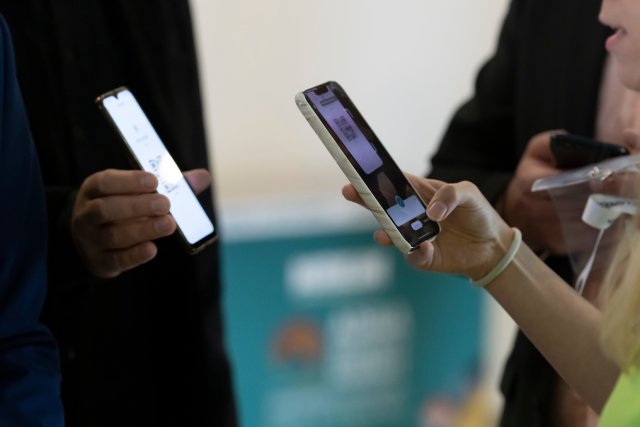
In today’s events landscape, the mobile phone is the most personal and consistently used device an attendee carries. As events grow more complex—spanning multiple sessions, venues, formats, and audiences—the mobile event app has become the central interface connecting attendees, organizers, content, and data in real time.
What began as a digital agenda has evolved into a dynamic event operating layer—supporting navigation, engagement, communication, analytics, and personalization across live, virtual, and hybrid events.
This article explores how mobile event apps function in modern events, the strategic value they deliver, core capabilities, integration points, and the trends shaping their future.
Why Mobile Event Apps Are Mission-Critical
Events today are no longer linear experiences. Attendees move between sessions, engage with speakers and sponsors, participate remotely, and expect real-time updates. Printed schedules, static signage, and email alerts are no longer sufficient.
Mobile event apps address this complexity by:
-
Centralizing event information
-
Reducing friction and confusion
-
Enabling two-way interaction
-
Capturing behavioral insights
-
Supporting personalization at scale
In essence, the mobile app becomes the attendee’s command center throughout the event lifecycle.
Evolution of the Mobile Event App
Early mobile event apps were basic agenda viewers—often underused and quickly forgotten. Adoption was low due to poor design, limited functionality, and lack of integration.
Modern mobile event apps now feature:
-
Real-time updates and notifications
-
Interactive agendas and calendars
-
Networking and matchmaking tools
-
Live engagement and feedback features
-
Integration with access, analytics, and AI platforms
This shift reflects a broader industry move toward experience-first event technology.
Core Functions of a Mobile Event App
Agenda Management and Session Discovery
The agenda is the most-used feature of any event app.
Advanced capabilities include:
-
Personalized agenda recommendations
-
Session bookmarking and reminders
-
Speaker and sponsor profiles
-
Real-time updates for schedule changes
Smart agenda design helps attendees plan effectively while reducing dependency on staff and signage.
Navigation and Wayfinding
Large venues and multi-location events can be overwhelming.
Mobile event apps support:
-
Interactive maps and floor plans
-
GPS or beacon-assisted navigation
-
Directional prompts to sessions and booths
-
Real-time congestion awareness
This improves flow, reduces delays, and enhances overall attendee confidence.
Audience Engagement and Interaction
Mobile apps enable direct, real-time participation.
Common engagement features include:
-
Live polls and surveys
-
Q&A and session chat
-
Gamification and challenges
-
Social walls and activity feeds
These tools transform attendees from passive listeners into active contributors.
Networking and Matchmaking
Networking is a primary reason people attend events—and one of the hardest experiences to design well.
Mobile apps support networking by enabling:
-
Attendee profiles and interest tags
-
AI-powered matchmaking suggestions
-
In-app messaging and meeting scheduling
-
Digital business card exchanges
When executed well, apps increase the quality—not just quantity—of connections.
Communication and Real-Time Updates
Events are dynamic. Changes happen.
Mobile apps allow organizers to:
-
Send push notifications
-
Share urgent updates or reminders
-
Communicate with specific attendee segments
-
Reduce reliance on email during live events
Timely communication improves trust and operational control.
Mobile Event Apps in Hybrid and Virtual Events
Hybrid events have elevated the importance of mobile apps.
For remote participants, apps may function as:
-
Access points to live streams
-
Engagement hubs for polls and Q&A
-
Networking platforms
-
Content libraries for on-demand sessions
For in-person attendees, apps bridge the physical and digital experience—creating continuity across formats.
Integration with the Event Technology Stack
A mobile event app delivers maximum value when integrated with other event systems.
Common integrations include:
-
Event registration platforms
-
RFID, NFC, or QR-based access systems
-
Audience engagement tools
-
CRM and marketing automation systems
-
Analytics and AI orchestration platforms
This integration eliminates data silos and enables unified attendee journeys.
Personalization Through App Data
Mobile event apps generate rich behavioral data:
-
Session views and attendance
-
Content interaction
-
Networking activity
-
Engagement participation
This data supports:
-
Personalized recommendations
-
Dynamic content delivery
-
Targeted notifications
-
Post-event follow-up strategies
Personalization is no longer manual—it is system-driven and real time.
Analytics and Insights
Event apps are powerful analytics engines.
Key insights include:
-
Feature usage and drop-off points
-
Session popularity and engagement depth
-
Sponsor interaction metrics
-
Navigation and dwell patterns
These insights help organizers refine programming, justify sponsorship value, and improve future events.
Accessibility and Inclusivity
Mobile event apps play a key role in accessibility.
Inclusive features include:
-
Multilingual content support
-
Live captions and transcripts
-
Screen reader compatibility
-
Adjustable font sizes and contrast
-
Alternative content formats
An accessible app expands participation and demonstrates organizational responsibility.
Security, Privacy, and Trust
Event apps handle personal data, communications, and sometimes payments.
Best practices include:
-
Secure authentication
-
Transparent data usage policies
-
Consent-driven engagement tracking
-
Compliance with data protection regulations
Trust determines adoption. Attendees will only engage deeply if they feel safe.
Adoption Challenges and Best Practices
Even the best app fails if adoption is low.
Best practices to improve usage include:
-
Promote the app during registration
-
Offer app-only features or incentives
-
Simplify onboarding and login
-
Provide onsite support and reminders
-
Design for intuitive, fast interactions
The app must solve real problems—not exist as a checkbox feature.
Cost, ROI, and Long-Term Value
Mobile event apps represent an investment, but the returns are multifaceted:
-
Reduced printing and signage costs
-
Improved engagement and satisfaction
-
Better sponsor reporting
-
Actionable data insights
-
Stronger event brand perception
For recurring events, apps often become reusable assets that improve year over year.
Emerging Trends in Mobile Event Apps
Mobile event apps are evolving alongside broader event technology trends.
Key developments include:
-
AI-powered recommendations
-
Predictive engagement modeling
-
Integration with digital twins and smart venues
-
Deeper personalization engines
-
Unified apps supporting entire event portfolios
Apps are moving from standalone tools to intelligent experience layers.
Skills Event Teams Must Develop
Event professionals must increasingly understand:
-
App adoption strategy
-
Data interpretation
-
Integration workflows
-
UX and experience design principles
-
Privacy and compliance basics
Mobile app strategy is now a core competency in modern event management.
Final Perspective
Mobile event apps are no longer optional enhancements—they are essential infrastructure for modern events. They guide attendees, enable engagement, support operations, and generate the data needed to measure success.
When designed with intent and integrated strategically, mobile event apps transform events from static schedules into responsive, connected experiences.
At EventTechnology.org, we view the mobile event app as the attendee’s constant companion—quietly orchestrating clarity, connection, and insight from the moment of registration to long after the event concludes.