AI Sales Platform Targets Event Sponsorship and Exhibitor Growth
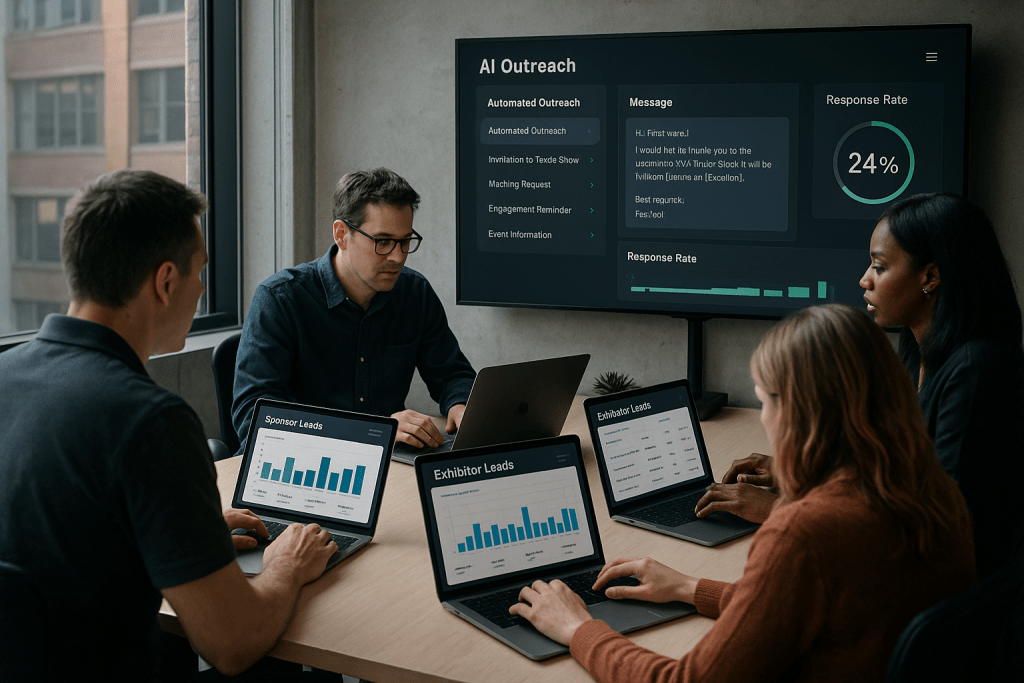
Artificial intelligence continues to move deeper into the commercial engine of the events sector, with new tools emerging to automate sales outreach and improve lead generation for sponsors, exhibitors and speakers. One such platform, developed by Super Benji, is designed to streamline how event teams prospect and communicate with potential commercial partners.
The technology focuses on automating repetitive sales tasks, generating personalised outreach at scale and helping organisers prioritise the most promising targets. Its creators position it as a way for events of all sizes to drive more predictable revenue from sponsorship and exhibition sales while reducing manual workload on sales teams.
Background: rising pressure on event revenue teams
Event organisers are under sustained pressure to maximise revenue from sponsorship and exhibition packages, while also managing shrinking teams and increased expectations from stakeholders. Hybrid and digital formats have opened up new inventory for sponsors, but they have also added complexity to sales cycles and reporting.
In this environment, many organisers are looking for tools that support data-driven decision-making: identifying which brands to target, which messages are most effective and how to maintain consistent outreach across multiple campaigns and event editions. Traditional CRM platforms and email sequences are widely used, but they still demand significant manual effort to research prospects and craft tailored messages.
AI-based sales assistants are now being tested across the event ecosystem, from large trade shows to niche conferences. These systems aim to replicate parts of the work typically handled by sales development representatives (SDRs), such as prospect research, first-touch communication and follow-up scheduling.
Key developments: AI-driven prospecting and outreach
Super Benji’s platform, led by founder and CEO Jeremy Basset, is positioned specifically for event organisers who need to find and engage sponsors, exhibitors and speakers more efficiently. The product is presented as an AI-powered sales assistant that can handle several key stages of the outreach process.
At its core, the system is intended to:
- Automate prospecting by helping identify potential sponsors, exhibitors or speakers that align with an event’s audience and themes.
- Generate personalised outreach messages that reference relevant details about the prospect and the event, rather than relying on generic templates.
- Support follow-up workflows to maintain consistent communication and increase response rates.
The platform is described as suitable for both major exhibitions with large sales teams and smaller conferences where a small group – or even a single organiser – is responsible for commercial partnerships. While detailed performance metrics and case studies have not been fully disclosed, Basset points to examples where organisers have used the technology to expand their prospect lists and improve the quality of their initial outreach.
The system’s AI components are applied primarily to text generation and pattern recognition in outreach, rather than attempting to replace strategic decision-making by sales leaders. Event teams remain responsible for defining commercial priorities, pricing and deal structures, but they can offload part of the manual work involved in researching and contacting potential partners.
Industry impact: changing workflows for event sales teams
If adopted at scale, AI-led tools like this could reshape how commercial teams in the events industry structure their work. Rather than spending large portions of time on manual research, list building and writing first-contact messages, sales professionals could focus on higher-value tasks such as qualification calls, negotiation and long-term account management.
For large organisers running multiple shows, there is potential to centralise best-practice messaging and campaign structures across portfolios, while still personalising content at the contact level. Smaller organisers may benefit by extending their reach beyond existing networks, testing new segments and markets without having to significantly expand headcount.
However, the introduction of AI into outreach also raises operational questions. Sales leaders must determine how to integrate these tools with existing CRMs and marketing automation platforms, what approval processes are needed for AI-generated communications, and how to maintain brand voice across campaigns. Data accuracy and compliance with privacy regulations remain ongoing concerns, particularly when prospecting across borders.
Another consideration is the risk of over-automation. If event buyers and sponsors begin receiving large volumes of AI-generated emails from multiple organisers, response rates may decline. Many in the industry are therefore emphasising the need for responsible usage: focusing on quality, relevance and timing rather than simply increasing volume.
Why this matters for event professionals and technology providers
For event organisers, the key attraction of AI event sales tools lies in the possibility of doing more with fewer resources. Teams under pressure to hit sponsorship and exhibition targets can test new markets or verticals, while maintaining or even reducing the manual effort involved in early-stage outreach.
Event directors and revenue leaders considering such technology will need to assess:
- How the AI integrates with existing CRM and ticketing systems.
- What level of control they have over messaging and approval workflows.
- How prospect data is sourced, stored and kept compliant with regional regulations.
- How success will be measured, beyond open rates, to include meeting bookings, opportunities created and revenue outcomes.
For technology providers, the emergence of platforms like Super Benji highlights ongoing demand for specialist tools tailored to the nuances of the events market. General-purpose sales automation products exist, but event sales cycles often involve multiple stakeholders, long lead times and complex inventory spanning physical and digital assets. Solutions that understand these dynamics and integrate with event registration, floorplan and sponsorship management platforms may gain an advantage.
There is also scope for collaboration between AI-driven sales tools and existing event tech stacks. For example, insight from attendee demographics and engagement data could help refine sponsor prospect lists. Likewise, intelligence from exhibitor performance could inform renewal and upsell campaigns managed by AI-assisted outreach tools.
Conclusion
The introduction of AI-powered sales assistants into the event sector marks another step in the wider digital transformation of event operations. By targeting the labour-intensive tasks of prospecting and first-contact outreach, tools like Super Benji aim to help organisers secure more sponsors, exhibitors and speakers with less manual effort.
While the technology is still evolving and long-term results remain to be fully quantified, early use cases suggest that AI can support improved personalisation and consistency in outreach, potentially lifting lead quality and response rates. For event professionals, the challenge now is to experiment with these tools in a measured way, ensuring they complement – rather than replace – the relationship-driven nature of event sales.
As budgets tighten and competition for sponsor attention increases, the ability to combine human expertise with AI-enabled efficiency is likely to become a differentiator for both organisers and the technology providers that support them.