Canadian event sector shows resilience amid marquee experiences and tourism gains

Background and context
Canada’s event industry is navigating a period of steady recovery, with cities leveraging large-scale public gatherings, destination events, and athletic competitions to attract visitors and support local economies.
Against a backdrop of changing travel patterns and audience expectations, recent activity in Calgary, Edmonton, and Montréal offers a snapshot of how Canadian destinations are using distinctive experiences to reinforce their position on the event map.
Key announcement
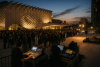
In Calgary, the latest edition of Diner en Blanc drew attention as a high-profile, open-air dining experience that relies on word-of-mouth, invite-only registration, and a secret location revealed shortly before the event. Organizers once again activated an unconventional urban space, turning it into an all-white pop-up celebration that blended hospitality, design, and live entertainment.
Meanwhile, Edmonton hosted the Servus Edmonton Marathon, a citywide running event that typically brings together elite competitors, recreational runners, and local supporters. The marathon’s route, which winds through key corridors of the city, continues to highlight Edmonton’s infrastructure for endurance events and its capacity for managing road closures, crowd control, and on-course support at scale.
In Montréal, tourism indicators point to sustained recovery and growth. The city’s hospitality sector has reported higher visitation numbers, supported by a mix of festivals, cultural programming, business events, and leisure travel. Increased hotel occupancy and visitor spend suggest that Montréal remains a strong draw for both domestic and international guests, reinforcing its reputation as a major Canadian hub for events and conventions.
Industry impact
Taken together, these developments underline how Canadian cities are using diverse event formats to maintain momentum in the live experience economy. Diner en Blanc’s model in Calgary shows continued appetite for curated, visually driven gatherings that rely on social media buzz and limited access to create demand.
The Servus Edmonton Marathon demonstrates the operational readiness of municipal partners, event producers, and sponsors to sustain complex, multi-hour outdoor events that affect large sections of a city. For suppliers in timing, signage, audio, and temporary infrastructure, marathons continue to provide consistent business and a platform for testing logistics at scale.
Montréal’s tourism performance is particularly relevant to planners of conferences and trade shows. Strong leisure numbers often correlate with improved air connectivity, expanded hotel inventory, and robust local vendor networks, all of which support larger and more technically demanding business events.
Why this matters
For event professionals, these examples from Calgary, Edmonton, and Montréal highlight several trends: the value of distinctive concepts, the importance of municipal cooperation for citywide events, and the role of broader tourism health in sustaining venues and suppliers.
Calgary’s success with design-led, experiential gatherings suggests ongoing opportunity for productions that merge dining, spectacle, and social sharing. Edmonton’s marathon activity underscores the need for reliable AV, communication systems, and crowd-facing information displays in open-air, distributed event formats. Montréal’s tourism gains signal a stable base for future conferences, festivals, and incentive programs.
- Destination cities are leaning on recognizable, photo-friendly events to stand out in a competitive market.
- Endurance races and large-scale outdoor activities remain key testbeds for logistics, safety planning, and audience communication tools.
- Strong tourism metrics support long-term investment in venues, event services, and technology infrastructure.
As planners look ahead, the Canadian market appears positioned to support a mix of traditional and experimental formats, provided organizers continue to adapt to changing audience expectations and make use of available data on travel, attendance, and spending. More information on specific events and city offerings can typically be found through official municipal tourism and event portals, as well as dedicated event listings.