Sennheiser Group reports stable performance amid continuing market pressures
Background and context
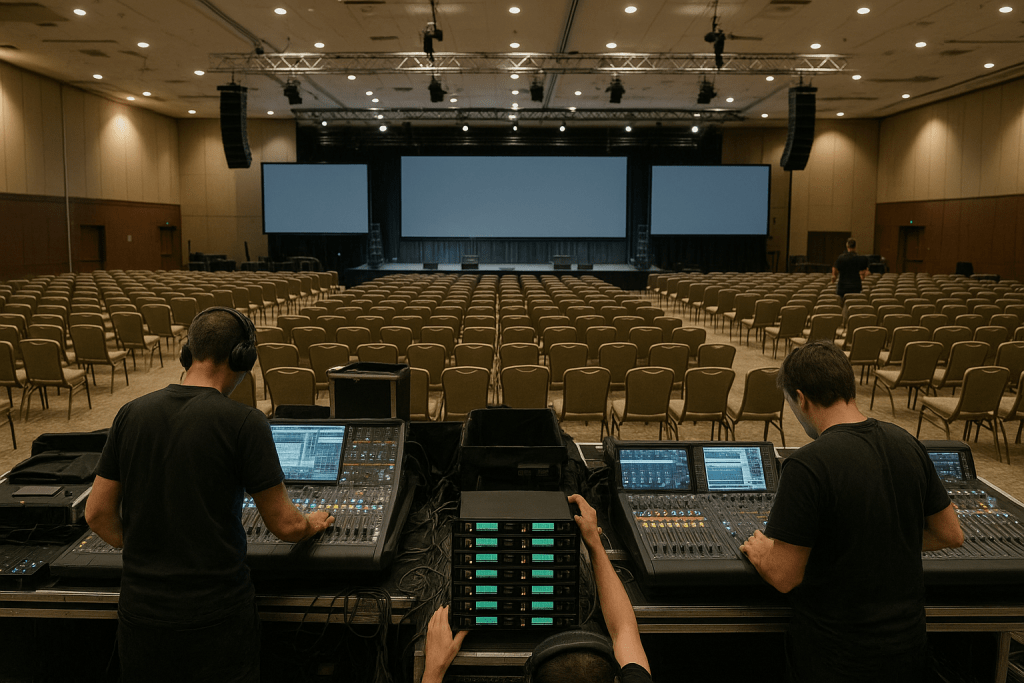
The Sennheiser Group has reported a resilient business performance despite ongoing pressures in the global audio and event technology markets. The company, known for its professional microphones, wireless systems, and audio solutions, continues to navigate supply chain constraints, cost inflation, and fluctuating demand in live events and corporate AV.
Like many manufacturers serving the event and installed sound sectors, Sennheiser has faced a mix of recovery and volatility since the pandemic. While in-person conferences, concerts, and corporate events have largely returned, the pace of investment in new equipment has varied by region and market segment.
Against this backdrop, the group has focused on its professional audio and business communications portfolio, as well as long-term development in immersive and networked audio technologies that are increasingly used in venues, hybrid meeting spaces, and broadcast environments.
Key announcement
In its latest update, the Sennheiser Group describes its financial position as stable, emphasizing controlled growth and continued investment in product development. The company highlights ongoing demand for professional wireless systems, conference audio solutions, and studio-grade equipment, even as some segments remain cautious on capital expenditure.
The group indicates that it has taken steps to mitigate supply chain disruptions and rising component costs, aiming to maintain product availability for rental companies, system integrators, and end users. This includes closer coordination with manufacturing partners and adjustments to logistics planning.
Sennheiser also reiterates its strategic focus on professional and enterprise solutions following the transfer of its consumer headphone business in previous years. The organization says this sharper focus is intended to streamline decision-making and align resources with the needs of broadcast, live events, and corporate AV customers. More details on the company’s portfolio can be found via its official site at sennheiser.com.
Industry impact
The group’s messaging reflects broader patterns in the pro audio and event technology market. Many manufacturers are reporting stable or modest growth driven by resumed touring, increased demand for hybrid and remote collaboration tools, and investments in acoustically optimized meeting and learning spaces.
At the same time, persistent cost pressures and component availability issues have encouraged integrators and rental houses to extend the life of existing inventories. This dynamic has put a premium on reliability, service, and software-driven updates, areas in which manufacturers are competing for long-term customer relationships.
Sennheiser’s emphasis on resilience rather than rapid expansion underscores the cautious tone across much of the sector. For event professionals, this may translate into continued but measured product releases, with a stronger focus on interoperability, network integration, and flexible deployment across different event formats.
Why this matters
For event organizers, production companies, and system integrators, the Sennheiser Group’s update is a signal that core pro audio suppliers are maintaining stability despite economic and logistical headwinds. Reliable supply, firmware support, and predictable product lifecycles remain critical as the industry plans long-term investments in wireless infrastructure and audio networks.
As hybrid and in-person events continue to coexist, demand is rising for scalable solutions that can serve both live audiences and remote participants. Manufacturers that can absorb market shocks while continuing to innovate in areas such as digital workflows, frequency management, and intelligible speech reinforcement are likely to shape purchasing decisions over the next few years.
Sennheiser’s stance suggests that, while the market remains under pressure, major players are positioning themselves for steady, sustainable growth rather than short-term gains. For the wider event technology ecosystem, this approach may support a more predictable environment for planning, specification, and deployment of professional audio systems.