Spectera to deliver RF coordination for Eurovision 2026 with Sennheiser support
Background and context
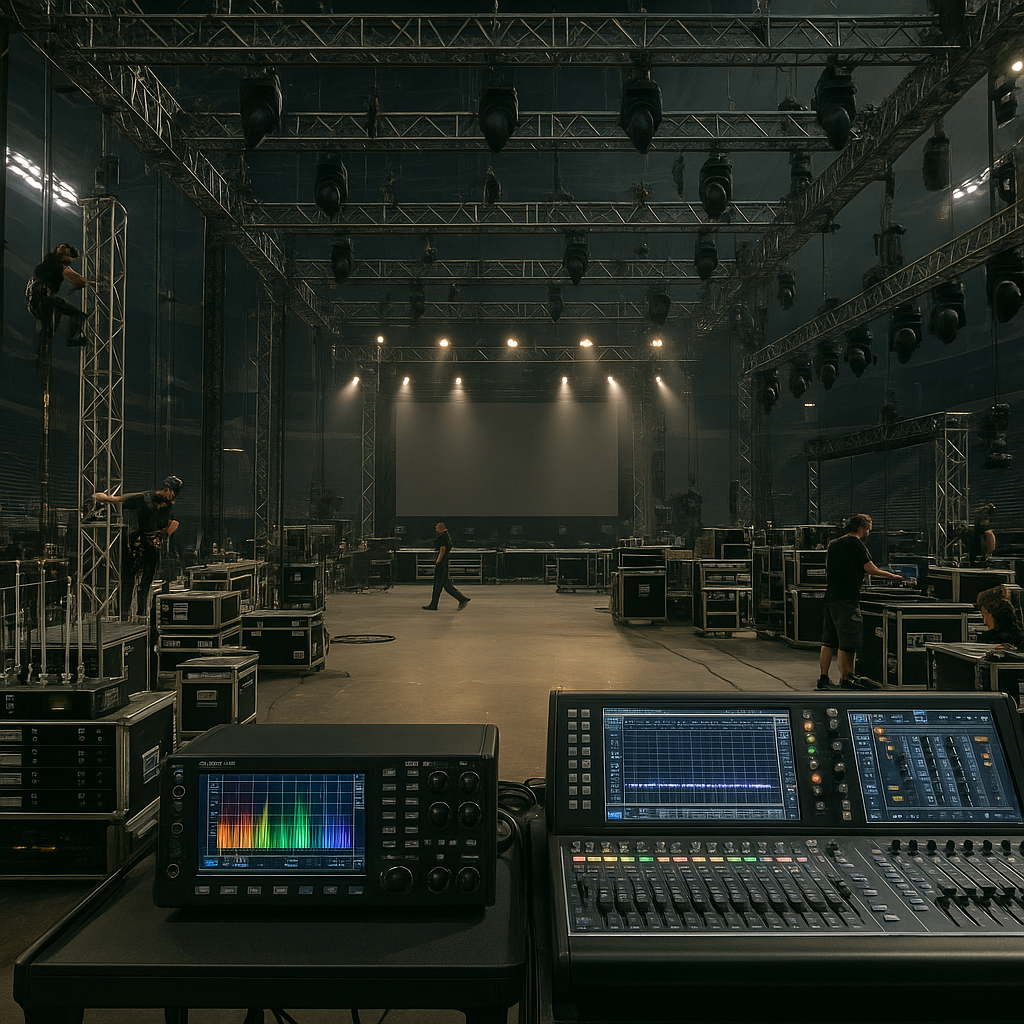
Eurovision has become one of the most demanding live broadcast events for audio and RF coordination teams, combining live music, broadcast requirements, and complex stage productions in a single show. Each year, dozens of wireless channels for microphones, in-ear monitoring, cameras, and production teams have to operate reliably in crowded RF environments.
Over the last decade, RF specialists have increasingly taken on a central role in planning and managing spectrum use for such events. This reflects broader pressures on UHF spectrum availability, as more wireless services compete for less space.
For Eurovision 2026, the production will again rely on a dedicated RF coordination partner to design, deploy, and supervise the wireless infrastructure needed to support the contest’s live performances and broadcast feeds.
Key announcement
Specialist firm Spectera has been confirmed as the RF coordination provider for Eurovision 2026, continuing its long-running involvement with the contest. The company will be responsible for the planning and management of all wireless audio and related RF systems used during rehearsals, live shows, and associated programming.
Spectera’s work at Eurovision typically includes frequency planning, interference management, on-site measurement, and coordination with broadcasters and local authorities. The setup involves large numbers of wireless microphones and in-ear monitoring systems, as well as RF links for production and camera use.
The company will once again work with manufacturer Sennheiser, which supplies wireless audio systems and technical support for the contest. Sennheiser’s role includes providing equipment, on-site engineering assistance, and tools for frequency management. Further technical details about the specific product lines and configuration for 2026 have not yet been publicly disclosed, although the manufacturer points to its professional wireless portfolio on its official website at sennheiser.com.
Industry impact
Eurovision’s scale means its RF and audio workflows often serve as a reference point for the wider live events and broadcast industry. The project involves managing RF across multiple stages, backstage areas, and media zones, all under tight time constraints and live broadcast conditions.
For technology providers and event professionals, the 2026 edition will offer another large-scale example of how spectrum planning, wireless infrastructure, and audio system design can be integrated for a high-profile show. The continuing partnership between Spectera and Sennheiser also illustrates the trend toward closer collaboration between independent RF specialists and equipment manufacturers.
This kind of cooperation is becoming more important as productions demand higher channel counts, redundancy, and resilience against interference. Lessons learned in these environments often filter down into smaller productions, influencing best practices for festivals, corporate events, and touring shows.
Why this matters
The confirmation of Spectera for Eurovision 2026 underscores how critical RF coordination has become to large live and broadcast events. As spectrum access tightens in many regions, reliable wireless performance is no longer just a technical detail but a core production risk that must be actively managed.
For event technology professionals, Eurovision remains a high-visibility case study in how to handle dense RF deployments, integrate manufacturer tools with on-site coordination teams, and maintain audio quality under live broadcast pressure. The ongoing collaboration between Spectera and Sennheiser will be closely watched by engineers and production managers seeking practical approaches to complex RF challenges.
While Eurovision 2026 is still some distance away, the early confirmation of RF partners highlights how far in advance spectrum planning now begins for major productions. That lead time, and the expertise behind it, is increasingly a decisive factor in the success of large-scale live events.