Figen Murray OBE to Lead Safety Focus at NOEA 2026 Convention
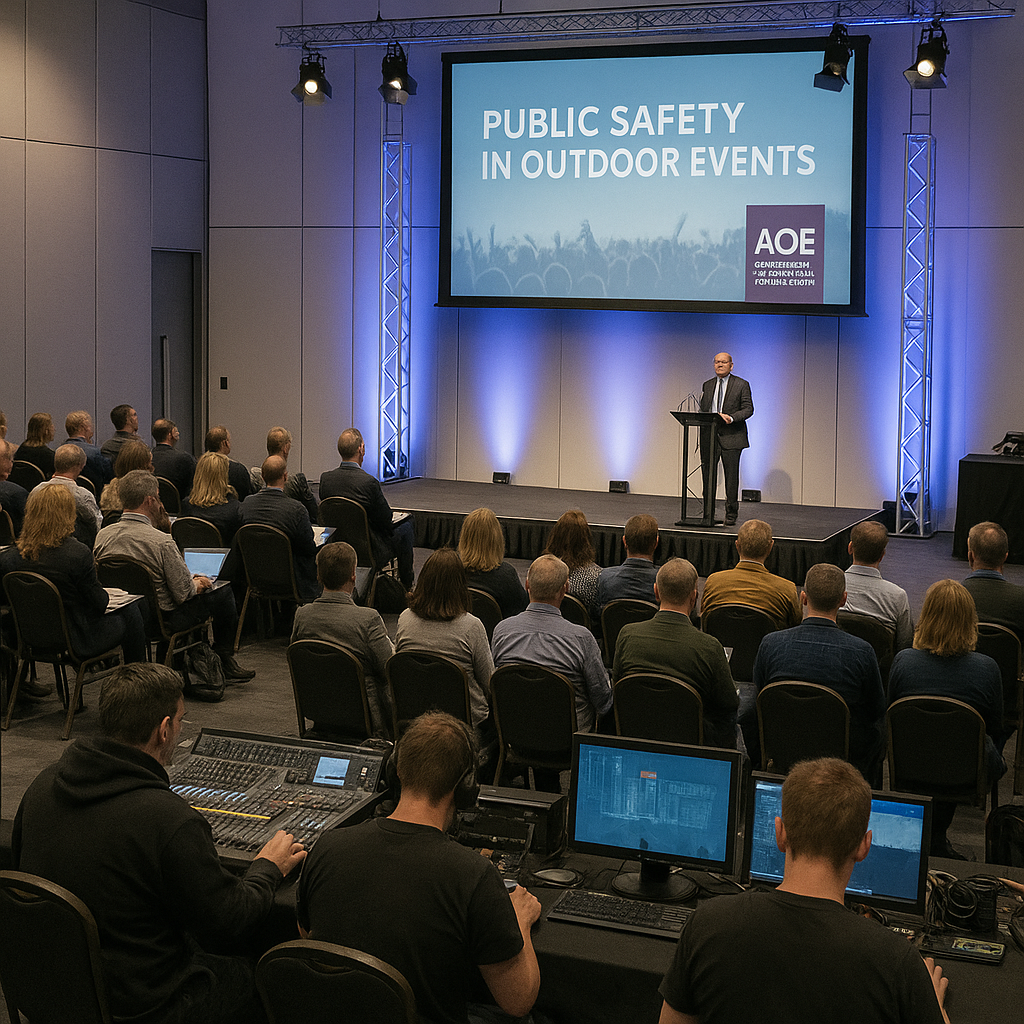
The National Outdoor Events Association (NOEA) has named Figen Murray OBE as the headline keynote speaker for its 2026 Convention, placing public safety and security at the centre of its agenda for outdoor event professionals.
Murray, whose son Martyn Hett was among the 22 people killed in the Manchester Arena terrorist attack in 2017, has become a prominent campaigner for improved security standards across the live events and hospitality sectors. Her appearance is expected to anchor a programme that examines how organisers, venues, and suppliers can strengthen safety practices while maintaining positive audience experiences.
Background and industry context
Public safety has become a core strategic issue for event organisers in the UK and internationally, particularly in relation to crowded places and major public gatherings. The Manchester Arena attack continues to shape policy discussions and operational planning, with venues, local authorities, and event companies reassessing risk assessment, staff training, and crowd management procedures.
Murray has been closely associated with calls for more robust, legally underpinned security duties for venues and events, often referenced in the context of prospective legislation informally known as “Martyn’s Law”. While the regulatory landscape continues to evolve, her advocacy has contributed to raising awareness of vulnerabilities across the events ecosystem and the need for consistent, proportionate security measures.
For outdoor events in particular—ranging from festivals and city centre celebrations to sports, cultural, and community gatherings—security planning is complicated by open perimeters, varied infrastructure, and often complex stakeholder arrangements involving local authorities, emergency services, production agencies, and contractors.
Key developments at the NOEA 2026 Convention
The 2026 NOEA Convention will bring together professionals involved in planning and delivering outdoor events across the UK. By confirming Murray as its headline keynote, organisers are signalling an intention to move discussions on safety beyond compliance checklists and into strategic and ethical territory.
Her session is expected to explore the human impact of security failures as well as practical approaches for improving preparedness at every level of event planning. While detailed content has not been outlined publicly, Murray’s previous engagements with industry groups have typically addressed:
- The responsibilities of organisers and venue operators in protecting attendees and staff
- The importance of a risk-aware culture among frontline workers and contractors
- Collaboration between organisers, local authorities, and emergency services
- The role of training, communication, and drills in effective incident response
NOEA’s annual convention traditionally features policy briefings, case studies, and peer exchange sessions aimed at improving standards in outdoor event delivery. With Murray as the headline keynote, safety is expected to cut across multiple sessions, touching on licensing, insurance, crowd management, supplier procurement, and contingency planning.
Industry impact for outdoor and hybrid events
The decision to centre the convention around a high-profile safety advocate reflects a wider shift in how event organisations allocate time and resources. Security, once treated as a specialist operational concern, is increasingly considered an executive-level priority with implications for brand reputation, commercial viability, and long-term audience trust.
For outdoor events, where physical infrastructure is often temporary and routes in and out are more fluid than in fixed venues, the conversation is expanding beyond traditional stewarding and bag checks. Organisers are now considering layered security measures, technology-enabled monitoring, closer engagement with local communities, and better integration with city and regional resilience planning.
The presence of a campaigner whose work is rooted in personal loss is likely to influence how these considerations are framed at the convention. Rather than purely technical or regulatory discussions, delegates can expect safety to be approached as a cultural and organisational challenge—one that intersects with staff welfare, communication strategies, audience behaviour, and supplier standards.
Why this matters for event professionals and technology providers
For event professionals, Murray’s keynote underscores the need to reassess how safety is embedded into the entire lifecycle of an event, from concept and site design to procurement, delivery, and debrief. This includes:
- Building security considerations into early planning and budgeting, not just final-stage approvals
- Ensuring that contractors and temporary staff understand and buy into safety protocols
- Improving documentation and communication channels with local authorities and emergency responders
- Reviewing evacuation, lockdown, and incident management plans in realistic, scenario-based ways
For technology providers, the convention’s focus presents an opportunity to align products and services with evolving expectations in safety and resilience. Areas likely to draw attention include:
- Access control and accreditation systems that improve visibility of who is on site
- Crowd intelligence tools, including real-time monitoring and data analytics to identify risks
- Mass notification, messaging, and communication platforms for staff and attendees
- Incident reporting and post-event analysis solutions that help organisations learn from near-misses
As outdoor events continue to integrate digital elements—such as mobile ticketing, RFID, and hybrid experiences—technology firms will be expected to demonstrate how their tools contribute not only to efficiency and engagement but also to safety outcomes.
Conclusion
By appointing Figen Murray OBE as the headline keynote for its 2026 Convention, NOEA is placing public safety at the forefront of its dialogue with the outdoor events sector. The move signals an industry that recognises the need to go beyond minimum requirements and to engage with the ethical, operational, and technological dimensions of protecting audiences and staff.
For organisers, suppliers, and technology partners, the convention is likely to serve as a platform to reassess risk strategies, explore new tools and practices, and consider how personal stories like Murray’s can shape more resilient and responsible event planning in the years ahead.