Crowne Plaza Newcastle refreshes meetings and events strategy
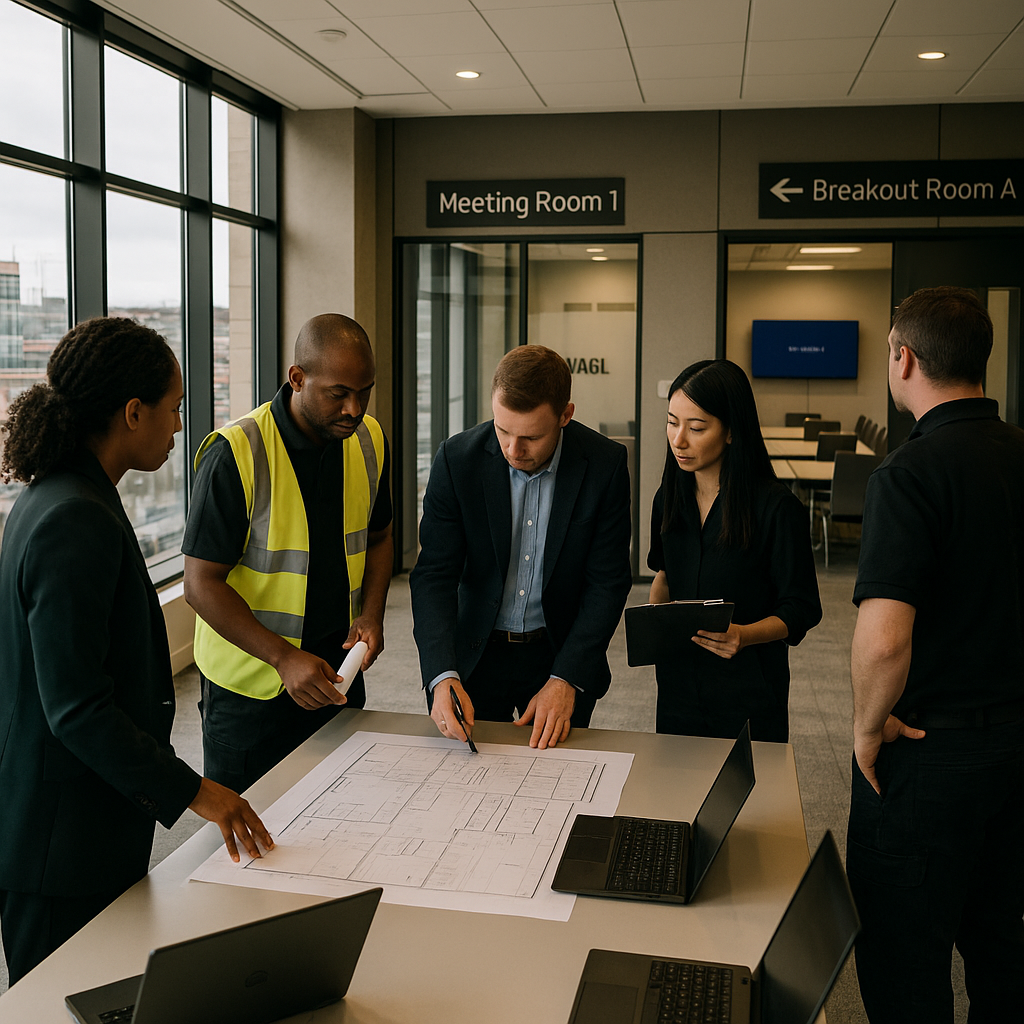
Crowne Plaza Newcastle has set out a renewed strategy for its meetings, events and hospitality business, positioning people, agility and local connection at the centre of its offer as organisers push venues to deliver greater flexibility and creative support.
The hotel, based in Newcastle’s Stephenson Quarter, is sharpening its focus on faster decision-making, devolved authority for frontline teams, deeper collaboration with local partners and more customised delegate experiences across its nine meeting spaces and 251 bedrooms.
Background and industry context
The shift comes as corporate and association planners continue to demand shorter lead times, hybrid working-aware schedules and more distinctive experiences for attendees. Many venues are rethinking operations to accommodate late bookings, evolving programme formats and heightened expectations around service responsiveness.
In this context, hotels are moving away from rigid processes and one-size-fits-all packages, looking instead at how internal structures, staff empowerment and local ecosystems can support more agile delivery. Crowne Plaza Newcastle’s refreshed vision reflects these wider pressures, with an emphasis on speed, autonomy and sense of place.
Key developments in the new vision
The new approach at Crowne Plaza Newcastle centres on several operational and experiential changes designed to make the property more responsive to event organisers and attendees.
- Faster decision-making: The venue is prioritising quicker responses to enquiries and on-the-day requests, aiming to reduce approval bottlenecks that slow down planning and delivery. This includes streamlining internal processes so that event and operations staff can action decisions more rapidly during live events.
- Empowered on-site teams: Frontline staff are being given greater authority to resolve issues and adapt services in real time, rather than escalating routine decisions. The intention is to shorten the gap between organiser needs and venue action, particularly for multi-room or complex programmes.
- Local partnerships: The hotel’s strategy places renewed emphasis on working with Newcastle-based suppliers and partners to enhance event experiences. This can include local food and beverage producers, entertainment providers, cultural organisations and other service partners capable of delivering regionally distinctive elements.
- Personalised delegate experiences: Rather than relying solely on standardised packages, the hotel is emphasising tailored touches for meetings and events. This may cover customised catering concepts, room layouts aligned to specific objectives, and enhanced support for wellbeing and networking moments within the event schedule.
Located in the Stephenson Quarter, close to key transport links and city attractions, the property is using its position to build stronger connections with the local business and cultural community as part of its updated proposition.
Venue capabilities and meeting infrastructure
Crowne Plaza Newcastle currently offers nine modern meeting and event spaces, enabling configurations for board meetings, training sessions, conferences, networking functions and private dinners. The mix of rooms is designed to support both smaller groups and larger gatherings, with the flexibility to run breakouts alongside plenary sessions.
With 251 bedrooms on site, the property can accommodate residential conferences and multi-day events, integrating accommodation, catering and meeting requirements under one roof. This is a key factor for organisers seeking to reduce logistical complexity, especially when dealing with condensed planning windows or international attendees.
While the hotel has not detailed specific technology upgrades as part of this latest announcement, the focus on pace and tailored experiences suggests ongoing attention to audiovisual support, connectivity and hybrid-friendly layouts, areas that remain critical for business events buyers.
Industry impact and competitive positioning
The move by Crowne Plaza Newcastle underscores how regional hotels are sharpening their offerings to compete for meeting and event business in a market where organisers have more choice and more specific requirements than before the pandemic.
Increased emphasis on empowered teams and rapid decision-making reflects a broader shift across the sector. Planners frequently cite slow approvals, rigid contracts and limited on-site autonomy as pain points when working with venues. By adjusting internal processes to give staff more control, properties can address these concerns and differentiate their service.
Similarly, a stronger focus on local partnerships aligns with the trend toward events that showcase regional identity and support local economies. For destinations outside major capitals, this approach can help create memorable programmes that go beyond standard hotel-based experiences.
Why this matters for event professionals and technology providers
For event planners, the evolution of venue strategies like this one has several practical implications:
- More adaptable planning: Faster decision cycles and empowered teams can make it easier to confirm layouts, catering adjustments and last-minute additions, particularly for events with tight lead times or changing delegate numbers.
- Stronger sense of place: A venue that actively cultivates local partnerships can provide organisers with more options for regionally focused content, entertainment, and F&B concepts without having to research and contract every supplier independently.
- Potential for integrated experiences: With accommodation and flexible meeting rooms on site, planners can build fuller programmes that blend formal sessions with informal networking, wellness activities and city experiences.
For event technology and service providers, the renewed vision points to ongoing demand for tools and solutions that support agility. Venues that promise quicker responses and bespoke experiences will need robust systems to manage enquiries, room configurations, AV requirements, dietary needs and schedule changes in real time.
This may open opportunities for technology partners that can streamline venue operations, enhance communication between planners and venue teams, and enable more precise personalisation of the delegate journey, from registration through to post-event follow-up.
Conclusion
Crowne Plaza Newcastle’s updated meetings and events strategy highlights how regional hotels are recalibrating their offerings in response to organiser expectations around flexibility, pace and experience design. By prioritising faster decisions, empowered teams, closer local collaboration and more personalised delegate touchpoints, the venue is seeking to position itself as a more agile partner for corporate, association and agency-led events.
As the events sector continues to balance in-person, hybrid and distributed formats, venues that combine physical infrastructure with responsive service models are likely to be better placed to win and retain business. The approach taken in Newcastle offers a snapshot of how hospitality operators are reshaping their internal frameworks to stay relevant in a competitive and continually evolving events landscape.