Introduction
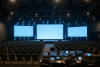
Event planning, particularly when it comes to conferences, requires careful attention to detail. One of the key components of ensuring a smooth and successful conference is the effective use of conference equipment. The appropriate selection, setup, and operation of conference technology can dramatically impact the flow and professionalism of the event. From audio-visual (AV) setups to communication tools and attendee management systems, the right conference equipment is essential for a seamless event experience.
This article will guide you through the various types of conference equipment necessary for event planning, explore their roles, and discuss the most effective ways to implement them to ensure a smooth conference experience.
Importance of Conference Equipment
High-quality conference equipment is integral to creating a dynamic and interactive environment for both the presenters and the audience. Properly chosen conference tools contribute to:
- Enhanced communication and presentation quality
- Smooth event logistics and management
- Increased engagement from participants
- Efficient technical support for all stakeholders
Event planners must consider different aspects such as sound, lighting, audience interaction, and real-time data sharing, all of which can be streamlined with advanced conference equipment. Below, we will explore the critical categories of conference equipment and their specific uses.
Types of Conference Equipment
The selection of top conference equipment varies based on the scale and type of event being organized. Some equipment is common across most conferences, while others may be specialized depending on the event’s specific needs. The main categories of hybrid conference equipment include:
- Audio-Visual Equipment
- Communication Tools
- Lighting Equipment
- Presentation and Display Tools
- Event Management and Registration Systems
- Networking Tools
- Virtual Conference Equipment
1. Audio-Visual Equipment
Audio-visual equipment is one of the most crucial categories when it comes to conference planning. It ensures that attendees can hear and see presentations clearly and with high quality. The following equipment is typically used:
- Microphones: Microphones ensure that speakers are heard clearly by the audience. Depending on the event type, you may choose from handheld, lapel (wireless), or podium microphones.
- Speakers: High-quality speakers are essential for clear audio throughout the conference space. They must be placed strategically to avoid sound distortion or dead zones.
- Projectors and Screens: Projectors display visuals like slideshows, videos, or live feeds for the audience. Choosing the right projector and screen combination is vital to ensure visibility, especially in larger venues.
- Video Conferencing Systems: For hybrid or virtual conferences, video conferencing tools allow remote participants to engage with the event. These systems include cameras, microphones, and software to connect virtually.
2. Communication Tools
Efficient communication between event staff, presenters, and participants is a cornerstone of smooth event execution. Communication tools help in managing real-time information exchange and coordination.
- Walkie-Talkies: These are often used for communication between event coordinators and staff members, ensuring that everyone is on the same page at all times.
- Interactive Whiteboards: In many modern events, interactive whiteboards or smartboards allow presenters to highlight key points, make annotations, and engage participants in discussions.
- Live Polling Tools: Platforms that allow the audience to participate in live polls or Q&A sessions enhance the interactive experience and provide valuable insights for organizers.
3. Lighting Equipment
Proper lighting enhances the overall atmosphere and visibility in a conference space. The right lighting is essential for both aesthetic purposes and ensuring that all presentations are visible.
- Stage Lighting: Adjustable lights help focus attention on the speaker, panelists, or any visual presentations. These are crucial for ensuring that participants in different parts of the room can see the speaker clearly.
- Ambient Lighting: Used throughout the venue to create a comfortable atmosphere, ambient lighting should not overpower the speakers but still provide adequate visibility for attendees.
- Spotlights and LED Lights: Spotlights are often used for highlighting key moments of the event, such as award ceremonies or important speakers. LED lighting is energy-efficient and customizable to fit the theme of the event.
4. Presentation and Display Tools
Conferences typically involve visual presentations, whether it be slide decks, videos, or product demos. To make these presentations more impactful, appropriate display tools are necessary.
- Display Monitors: Large monitors are often placed around the venue to ensure that attendees in various sections can easily view presentations.
- Interactive Displays: Some conferences use touch-enabled displays to allow audience members to interact with content, enabling a more immersive experience.
- Slide Presentation Software: Tools like PowerPoint or custom conference apps are essential for creating and managing presentations. These tools can help with transitions, animations, and visual effects.
5. Event Management and Registration Systems
A smooth registration and check-in process is essential to ensure that the event starts on time. Smart conference equipment that supports these processes ensures that there are no bottlenecks and that all participants are accounted for.
- Online Registration Platforms: These platforms streamline the registration process by enabling attendees to sign up and receive confirmation emails. This can also include hotel reservations, transport, and other logistics.
- RFID Badges: These badges make entry and exit quicker and more efficient. They can also be used for attendee tracking during the event, providing insights into the most attended sessions.
- On-Site Registration Kiosks: Kiosks allow attendees to check in upon arrival. These systems often integrate with the main registration database and can print out badges, making check-in quicker and more efficient.
6. Networking Tools
Networking tools help connect participants to each other and facilitate communication among attendees. In large conferences, this is particularly important as it may be difficult for individuals to meet without structured support.
- Mobile Event Apps: These apps allow participants to view schedules, connect with others, and navigate the conference venue easily. They may also include networking features that enable attendees to schedule meetings or communicate.
- Virtual Networking Platforms: These platforms facilitate interactions between virtual and in-person attendees, allowing them to set up video calls, chat, and exchange contact information.
7. Virtual Conference Equipment
As hybrid events become more common, conference organizers are increasingly relying on virtual conference equipment to connect remote participants with in-person attendees.
- Webcams and Audio Equipment: For virtual presenters, high-quality webcams and microphones are essential for clear communication and engagement.
- Streaming Platforms: These tools enable seamless streaming of events, allowing attendees to watch and participate remotely. These platforms must be stable and have features like live chat, session Q&As, and break-out rooms for group discussions.
- Virtual Reality (VR) Tools: In cutting-edge conferences, VR tools may be used to create immersive virtual spaces where participants can interact in 3D environments.
Best Practices for Using Conference Equipment
When organizing a conference, it is essential to ensure that all the selected op conference equipment is set up properly and efficiently. Below are some best practices for making the most out of your conference equipment:
- Test the Equipment Early: Test all equipment well in advance of the event. This includes microphones, projectors, and video conferencing tools.
- Provide Technical Support: Ensure that technical staff is on hand to resolve any issues quickly. A technical team can also be present for troubleshooting and managing any emergency situations that arise.
- Train Your Team: Make sure that all event staff members are familiar with the equipment. This helps prevent delays during setup and ensures smooth operation.
- Have Backup Plans: Always have backup equipment available, such as extra microphones, cables, or even projectors, in case something fails.
Click here to learn about Top 5 Must-Have Conference Equipment for Seamless Presentations and Reliable Conference Equipment for Successful Events.
A Summary of Essential Conference Equipment
Here’s a quick reference table summarizing the essential conference equipment and their primary functions:
| Conference Equipment | Primary Function |
| Microphones | Clear communication for speakers and presenters |
| Speakers | Ensure the audio is heard clearly across the venue |
| Projectors and Screens | Display presentations, videos, and visuals |
| Video Conferencing Systems | Enable virtual participation from remote attendees |
| Walkie-Talkies | Communication between event staff members |
| Live Polling Tools | Engage the audience through real-time feedback and polling |
| Stage and Ambient Lighting | Enhance visibility and set the atmosphere for the event |
| Interactive Whiteboards | Allow speakers to engage and annotate presentations |
| Online Registration Platforms | Streamline attendee registration and check-in process |
| Mobile Event Apps | Facilitate networking and information sharing among attendees |
| Streaming Platforms | Enable virtual event participation and live streaming |
Summary of Conference Equipment
The role of conference equipment cannot be overstated when it comes to planning and executing a smooth event. The right selection and implementation of audio-visual tools, communication devices, registration systems, and networking platforms can elevate a conference experience for both attendees and organizers. As the landscape of conferences evolves, especially with the increasing prevalence of hybrid events, staying up to date with the latest conference equipment ensures that your event remains cutting-edge, efficient, and engaging.
By focusing on integrating the appropriate conference equipment, event planners can not only ensure the technical success of an event but also enhance the overall participant experience, leaving a lasting positive impression on all involved.
Academic References for Conference Equipment
- [BOOK] Event planning: The ultimate guide to successful meetings, corporate events, fundraising galas, conferences, conventions, incentives and other special events
- [BOOK] The business of event planning: behind-the-scenes secrets of successful special events
- [BOOK] Event planning ethics and etiquette: A principled approach to the business of special event management
- [BOOK] Professional event coordination
- [BOOK] Event planning and Management: A practical handbook for pr and events professionals
- [BOOK] Events management
- [BOOK] Festival & special event management
- [BOOK] Event management: A professional and developmental approach
- [BOOK] Event management for dummies
- Event scheduling with soft constraints and on-demand re-optimization