Introduction
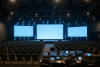
Organizing a successful event requires meticulous planning, and one of the critical aspects is the conference equipment. Modern conference environments demand technological reliability, ease of use, and adaptability to various settings. This article delves into the essential equipment categories, their specifications, and how to ensure their optimal performance for events ranging from small corporate meetings to large-scale conferences.
Importance of Reliable Conference Equipment
The quality of top conference equipment directly impacts the flow and success of any event. Inefficient systems can cause delays, disrupt communication, and even tarnish the reputation of event organizers. On the other hand, state-of-the-art, reliable equipment ensures smooth interactions, maintains audience engagement, and reflects professionalism.
Key aspects of reliable conference equipment include:
- Seamless Integration: Equipment should work cohesively with other tools to deliver a unified experience.
- Durability and Stability: Devices should withstand prolonged usage without compromising performance.
- User-Friendly Interfaces: Simplified controls enhance ease of use for presenters and event organizers.
Categories of Conference Equipment
Audio Equipment
Clear and uninterrupted audio is essential for any successful conference. Audio systems must cater to the room size, audience count, and event type.
Components:
- Microphones: Wireless handheld, lapel, and headset microphones offer mobility and convenience.
- Speakers: High-fidelity speakers ensure uniform sound distribution across the venue.
- Mixers and Amplifiers: Used to manage audio inputs and outputs for optimal clarity.
| Audio Device | Features to Consider | Ideal Use Case |
| Microphones | Noise cancellation, wireless range | Panel discussions, Q&A sessions |
| Speakers | Wattage, frequency range | Large conference halls, auditoriums |
| Audio Mixers | Number of channels, input flexibility | Complex audio setups, hybrid events |
Visual Equipment
Visual aids amplify the impact of presentations and discussions. Selecting the right visual equipment depends on the venue layout and presentation requirements.
Essential Components:
- Projectors and Screens: High-resolution projectors with appropriate lumens ensure sharp visuals even in well-lit rooms.
- LED Displays: Bright and energy-efficient for dynamic and interactive sessions.
- Document Cameras: Provide real-time display of physical documents or objects.
| Visual Equipment | Features to Check | Purpose |
| Projectors | Resolution (4K/HD), lumens | Slide presentations, video playback |
| LED Displays | Pixel density, size | Interactive sessions, exhibitions |
| Document Cameras | Autofocus, zoom capabilities | Workshops, live demonstrations |
Video Conferencing Systems
In the era of hybrid events, video conferencing tools are indispensable. A robust system ensures that remote participants have an experience comparable to in-person attendees.
Must-Have Features:
- High-definition Cameras: Wide-angle lenses and auto-tracking improve visibility for remote attendees.
- Collaboration Platforms: Compatibility with software like Zoom or Microsoft Teams.
- Echo Cancellation Technology: Reduces feedback and enhances audio clarity.
Interactive Tools
Interactivity keeps the audience engaged. Reliable tools encourage participation and enhance information retention.
Tools:
- Touch Screens and Smart Boards: Facilitate real-time annotation and brainstorming.
- Audience Response Systems: Enable live polling, quizzes, and Q&A sessions.
Click here to learn about High-Quality Conference Equipment for Every Event.
Must-Have Conference Equipment Checklist
- Audio Systems:
- Microphones (wireless and wired)
- Speakers (suitable for venue size)
- Mixers and amplifiers
- Visual Tools:
- Projectors and screens
- LED or LCD displays
- Document cameras
- Connectivity Solutions:
- Wireless access points
- HDMI and USB-C cables
- Signal extenders and adapters
- Video Conferencing:
- High-definition cameras
- Collaboration software compatibility
- Noise and echo cancellation
- Auxiliary Equipment:
- Power strips and UPS
- Tripods and mounts
- Backup devices
Ensuring Reliability of Conference Equipment
Regular Maintenance and Testing
Routine maintenance prevents unexpected malfunctions. Regularly test equipment before the event to ensure all components work seamlessly.
Backup Systems
Prepare for contingencies by keeping backup equipment such as spare microphones, batteries, and cables.
Professional Setup and Support
Hiring technical professionals for setup minimizes the risk of errors. These experts can troubleshoot issues on the spot, ensuring smooth proceedings.
Software Updates
Keep firmware and software updated to avoid compatibility issues and ensure access to the latest features.
Click here to learn about Hybrid Conference Equipment Essentials and Top 5 Must-Have Conference Equipment for Seamless Presentations.
Troubleshooting Common Conference Equipment Issues
- Audio Problems:
- Issue: Feedback or echo during sessions.
- Solution: Adjust microphone placement and enable noise cancellation.
- Visual Interruptions:
- Issue: Poor image quality on projectors.
- Solution: Check resolution settings and clean projector lenses.
- Connectivity Failures:
- Issue: Unstable internet connection for video conferencing.
- Solution: Use wired connections or a high-speed dedicated network.
- Power Supply Issues:
- Issue: Equipment shutting off unexpectedly.
- Solution: Use surge protectors and uninterruptible power supplies (UPS).
Choosing the Right Equipment for Your Event
Consider the following factors when selecting smart conference equipment:
- Event Size: Large venues require higher capacity and range in both audio and visual equipment.
- Type of Event: Formal presentations may need more sophisticated setups compared to casual workshops.
- Budget Constraints: Balance quality and cost by prioritizing essential tools over optional features.
Summary of Reliable Conference Equipment
Reliable conference equipment is the backbone of any successful event. By investing in high-quality tools, maintaining them properly, and planning for contingencies, organizers can ensure that every session runs seamlessly. Whether it’s a small business meeting or a large-scale conference, the right equipment enhances communication, engagement, and overall attendee experience.
Academic References for Reliable Conference Equipment
- The successful conference venue: perceptions of conference organizers and hotel managers
- Predicting the reliability of electronic equipment
- [BOOK] Conferences and conventions: A global industry
- The management of conferences and business events in periods of crisis. The new digital paradigm
- [BOOK] Guide to organizing an international scientific conference
- Special commentary: supporting innovation for safe and effective minimally invasive glaucoma surgery: summary of a joint meeting of the American Glaucoma Society …
- A framework for assessing “tangible” and “intangible” impacts of events and conventions
- Reliability engineering: Old problems and new challenges
- Advanced mud logging: Key to safe and efficient well delivery
- Reliability analysis of RSG-GAS primary cooling system to support aging management program