Event Planner insight into Venue collaboration success
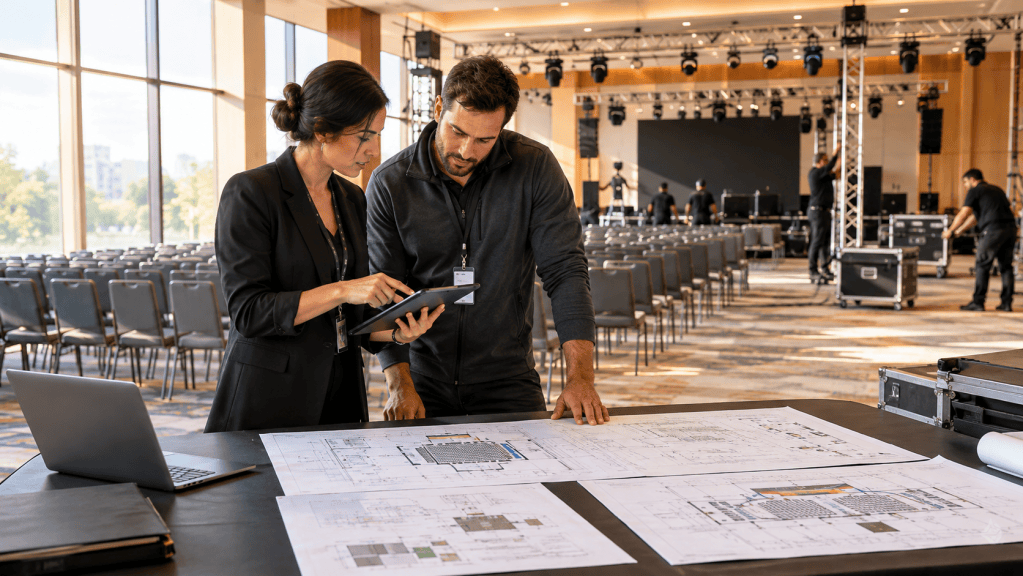
Event Planner insight into Venue collaboration success
Professional event planner feedback consistently highlights that successful venue collaboration depends on a clear understanding of goals, strong communication, and reliable operational delivery. When planners evaluate a potential venue partner, they look beyond basic capacity and location to assess how well the venue team will support experience design, attendee journey, and technical execution.
Key expectation that Event planner have for Venue partnership
Event planners tend to prioritize several recurring criteria when selecting and working with venues. These criteria are closely tied to risk management, client satisfaction, and the ability to deliver a seamless program across conferences, exhibitions, and corporate events.
Communication process and response time
Planners place significant value on prompt, transparent communication from venue sales and operations teams. Clear points of contact, defined response time expectations, and proactive status updates help planners make informed decisions and adjust timelines. Miscommunication at this stage can lead to delays, budget uncertainty, and misaligned expectations with clients and exhibitors.
Operational detail and logistical support
Strong venue collaboration is often characterized by detailed logistical guidance. Planners look for robust information on load-in schedules, room turnover timing, security procedures, accessibility routes, and onsite staffing. Reliable floor plan options, clear rules on rigging and decor, and practical advice on attendee flow are critical to building accurate production schedules and run-of-show documents.
Role that Venue technology plays in successful collaboration
As event formats evolve, technology infrastructure has become a central part of venue evaluation. Planners increasingly depend on venues to provide a dependable digital backbone that supports content delivery, hybrid experiences, and real-time event operations.
Network capability and connectivity expectation
Event organizers typically require consistent, high-capacity connectivity to support registration systems, event apps, live streaming, and exhibitor technology. While specific bandwidth figures and service levels differ by program, planners expect clear documentation of what the venue network can support, where coverage might be limited, and how potential technical issues are handled during live days.
Inhouse audiovisual resource and preferred supplier model
Many venues maintain inhouse audiovisual teams or preferred production partners. Planners evaluate how flexible these arrangements are and how well the technical staff understand complex show requirements such as multi-room breakout management, live switching, stage lighting, and sound for plenary sessions. Transparent pricing structures and early access to technical contacts help planners design realistic production plans.
Service attitude and flexibility as Collaboration driver
Service culture is often a decisive factor in whether planners consider a venue a long-term partner. A collaborative attitude can mitigate challenges that arise with timelines, last-minute client requests, or external constraints.
Problem solving approach and contingency planning
Experienced planners look for venue teams that are willing to engage in scenario planning. This can include contingency options for room changes, backup plans for outdoor elements, and clear escalation pathways during live operations. Venues that come to planning meetings with suggestions and alternatives are perceived as strategic allies rather than purely rental providers.
Flexibility around layout, scheduling, and policy
Within the boundaries of safety and regulations, planners appreciate flexibility in room layouts, rehearsal times, and access windows. Adjustments to standard policies around catering minimums, noise levels, or extended hours can help accommodate complex conference programs or exhibition builds. Consistency between what is promised during sales conversations and what is delivered by operations is essential to maintaining planner trust.
How Venue collaboration impacts Attendee experience and Event outcome
The quality of collaboration between planners and venues directly shapes the attendee journey. Wayfinding, registration efficiency, session comfort, and networking opportunities are all influenced by how well the venue and planner teams align.
Attendee flow and onsite guidance
Planners rely on venue teams to help optimize traffic patterns between registration, general sessions, breakouts, and exhibit areas. Appropriate staffing at key junctions, clear use of available digital signage, and coordinated timing of room turns reduce congestion and frustration. Venues that understand typical attendee behavior within their spaces can offer insights that enhance experience design.
Consistency of service across Event lifecycle
From initial site visit to post-event breakdown, planners monitor how consistently service is delivered. Smooth handoffs between sales, planning, and onsite operations build confidence. When venue collaboration works, it enables planners to focus on content, engagement, and stakeholder management rather than troubleshooting basic logistics.
Long term partnership value for Planner and Venue
When collaboration is strong, planners are more likely to return to the same venue for future editions or additional client programs. This continuity allows both sides to refine processes, improve technical setups, and anticipate recurring needs.
For planners, a trusted venue partner reduces risk and planning time. For venues, repeat business supports more accurate forecasting and encourages investment in infrastructure and staff training. Across the event technology and live events sector, this type of partnership is increasingly viewed as a competitive advantage rather than a transactional arrangement.