Unique Venues Of London Panel explores Experience Design For Next Generation Planner
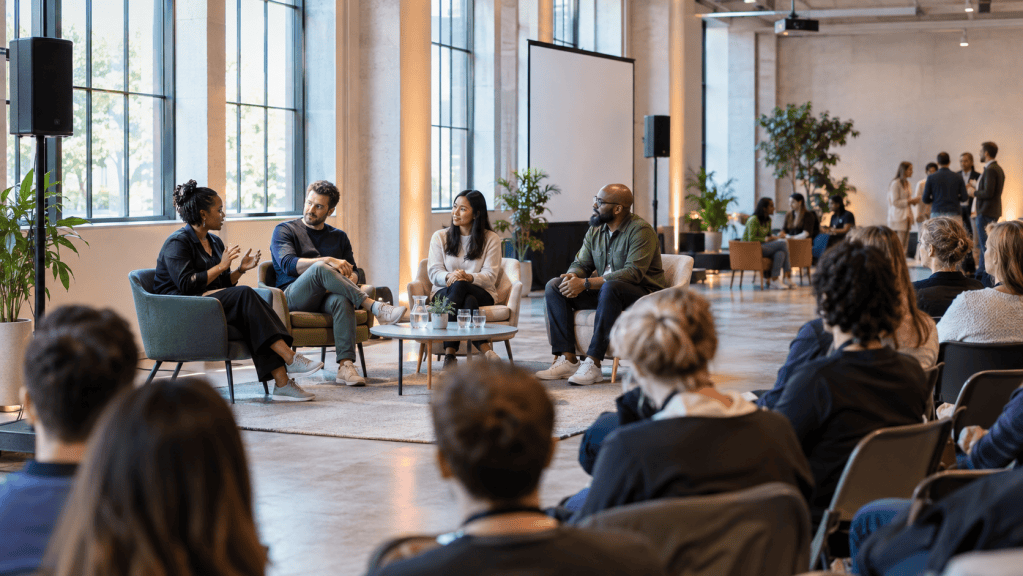
The Unique Venues of London Showcase concluded its programme with a panel discussion examining how the next generation of event planners is reshaping expectations around live experiences. The session focused on wellbeing, inclusivity and human connection as core priorities for future events.
The conversation brought together perspectives from agency, consultancy and venue representatives, reflecting the different points at which organisers, suppliers and locations influence the attendee journey. Speakers included Lucy Eden of Be In Your Element, Zoe Light of Asembl., Claire Arouche of The National Gallery and Martin Dibben of Premier Crew.
Panel Discussion examines Shift in Planner Expectation
The panel was positioned as the final session of the Showcase, using the combined insights of the day to look ahead at how experience design is evolving. Participants discussed how planners coming into the industry now are approaching briefs differently from previous generations, particularly in terms of what they prioritise for their audiences.
Across the conversation, contributors highlighted that wellbeing and inclusion are no longer considered optional additions to event design, but factors that increasingly sit alongside content, catering and logistics in the core planning process. They also noted growing emphasis on creating space for genuine interaction, rather than relying solely on traditional programme formats.
Wellbeing Consideration shapes Event Experience
Wellbeing emerged as a central theme in the discussion, with panellists exploring how it can be embedded more deliberately into live experiences. They considered elements such as pacing, sensory load, quiet areas and opportunities for rest as practical aspects that younger planners are bringing to the foreground.
The speakers also discussed how the next generation is more likely to question the impact that long agendas, dense networking schedules and late finishes can have on delegates. This, they suggested, is encouraging organisers and venues to reconsider how they structure time on site, from registration through to departure.
Within that context, the panel examined how suppliers and venues can collaborate earlier in the planning process to support wellbeing-led approaches. This includes considering natural light, acoustic properties, movement between spaces and access to outdoor areas where possible.
Inclusivity expectation influences Venue And Programme Choice
Inclusivity was identified as another defining expectation for new generations of planners and attendees. The panel discussed how considerations now extend beyond basic accessibility checks to encompass a more holistic view of who is represented, welcomed and able to participate fully in an event.
Contributors referenced the role of language, imagery and staff training in creating inclusive environments, alongside physical access and layout. They also addressed how venue teams and production partners can work with organisers to identify and remove potential barriers to participation at an earlier stage.
From a programming perspective, the speakers noted that planners are becoming more intentional about representation on stages and panels, and more attentive to different communication and engagement styles. This was presented as part of a broader trend in which events are seen as an opportunity to reflect diverse audiences more accurately.
Human Connection remains Core Objective For Live Event
The panel reinforced that, despite advances in digital tools and virtual formats, meaningful human connection continues to be a fundamental reason for bringing people together in person. The discussion examined how the next generation of planners is rethinking networking and interaction to better support that goal.
Speakers observed that structured networking sessions and informal social time are both being reconsidered in light of attendee comfort levels and varying preferences for interaction. This is leading to more varied formats that give participants multiple ways to connect, rather than relying on a single style of engagement.
The conversation also touched on the importance of designing spaces that naturally encourage conversation, collaboration and chance encounters. Layout, furniture choices and flow between areas were all mentioned as factors that can either support or hinder authentic interaction.
Role Of Venue And Supplier deepens In Experience Design
With expectations around wellbeing, inclusivity and connection rising, the panel highlighted a shift in how venues and suppliers are being engaged by planners. Rather than focusing solely on capacity, location and technical specifications, organisers are increasingly asking how a venue can contribute to the overall experience design.
Representatives from The National Gallery and Premier Crew outlined how their teams are responding by working more consultatively with clients, sharing operational knowledge that can inform programme design and guest flow. This involves aligning venue capabilities with the kinds of experiences next generation planners are seeking to create.
From the agency and consultancy side, Be In Your Element and Asembl. brought perspectives on how they are translating client objectives into experiences that reflect these newer priorities. The panel described a more collaborative process in which all parties contribute ideas on how best to support attendee needs throughout the event lifecycle.
Next Generation Planner redefines Event Brief
Throughout the discussion, panellists underlined that many newer planners now approach events with a broader set of success measures. Rather than centring solely on attendance numbers and programme delivery, there is increasing interest in how delegates feel during and after the experience.
This shift is influencing how briefs are written and how success is evaluated, with wellbeing, inclusivity and quality of interaction gaining prominence alongside more traditional metrics. As this trend continues, the panel suggested that conversations between planners, venues and suppliers are likely to start earlier and cover a wider range of considerations.
The session at the Unique Venues of London Showcase closed with an emphasis on continued dialogue between all parts of the event ecosystem. By sharing insights and approaches across agencies, venues and production partners, participants suggested the industry will be better positioned to design experiences that meet the evolving expectations of the next generation of event planners.