Event Photography Awards 2026 spotlight creativity and live experiences
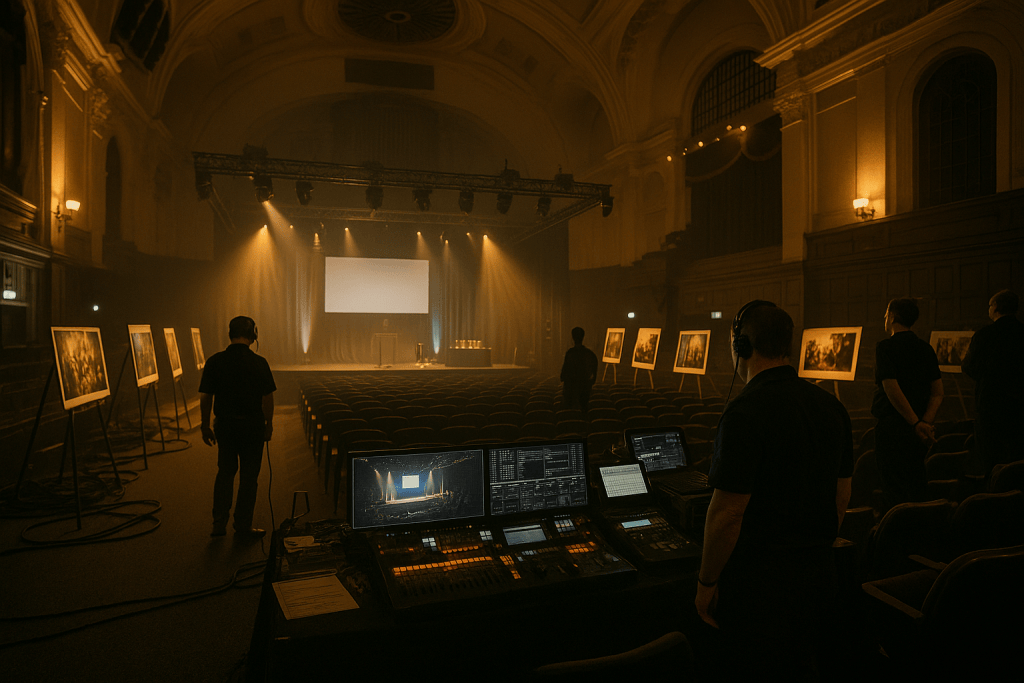
The 2026 edition of the Event Photography Awards closed with a showcase evening in London that underlined how central imagery has become to the way live, hybrid and digital events are documented and marketed. More than 250 guests gathered at Central Hall Westminster to see an exhibition of shortlisted work and to celebrate category winners, including the overall 2026 victor for a vibrant image titled “Train to Glastonbury”.
The evening also marked a new milestone for the awards with the introduction of an overarching accolade: Event Photographer of the Year. Photographer Marc James was named the inaugural recipient, adding a headline individual honour to the long‑running competition’s portfolio of category prizes.
Background and industry context
Now in its twelfth year, the Event Photography Awards were set up as a not‑for‑profit competition to recognise the photographers who capture conferences, exhibitions, festivals, brand activations, corporate functions and public events. The initiative has grown into a specialist platform for visual storytellers in the event sector, highlighting work that often sits behind the scenes of campaigns, pitches and post‑event reporting.
For organisers, venues and suppliers, high‑quality photography is increasingly tied to commercial outcomes. Strong visual assets support everything from sponsor decks and sales collateral to social media storytelling and on‑demand content hubs. As event technology platforms evolve to host richer media and hybrid formats, the need for impactful still imagery that translates across websites, apps and digital signage has become more pronounced.
The awards reflect this evolution, with categories spanning corporate events, experiential marketing, concerts and festivals, sporting events, trade shows and public sector gatherings. The competition also typically includes specialist groupings such as behind‑the‑scenes, food and beverage, and sustainable events, mirroring how diverse the modern event landscape has become.
Key developments and 2026 announcement
The 2026 celebration at Central Hall Westminster combined a gallery‑style exhibition with a live awards presentation. Approximately 140 shortlisted images were printed and mounted by production partner Visions Group, allowing attending organisers, agencies, brands and suppliers to view the work at scale rather than solely on screens.
The overall winning photograph, “Train to Glastonbury”, captured a moment of shared anticipation and joy among festival‑goers en route to one of the UK’s best‑known live events. Judges highlighted the image for its sense of narrative, energy and authenticity, reflecting how a single frame can convey audience mood and event atmosphere before anyone has even reached the venue.
Alongside the overall winner, category trophies recognised specialist disciplines across the event spectrum. While full category details sit with the organisers, the breadth of shortlisted work once again demonstrated how event photography cuts across brand experiences, civic occasions, charity fundraisers, corporate congresses and music festivals.
A significant new element for 2026 was the launch of the Event Photographer of the Year title. Rather than celebrating a single image, this award recognised a portfolio of work and a consistent contribution to the craft within the sector. Marc James, who has covered a wide array of live experiences, was named the first holder of the title, signalling a move to spotlight individual careers alongside one‑off shots.
The evening itself featured hospitality provided by caterer Green & Fortune, with the networking element proving as important as the awards. Agencies, photographers, venues and suppliers used the occasion to discuss briefs, creative approaches and how image‑led storytelling fits into wider event strategies.
Industry impact
While the Event Photography Awards are artistic in nature, the implications are commercial. For an industry increasingly reliant on digital reach and data‑driven marketing, visuals that resonate can significantly influence registrations, exhibitor interest and sponsor engagement.
Professional photography also plays a growing role in hybrid and on‑demand formats. As platforms host photo highlights, session thumbnails, speaker headshots and sponsor branding within virtual environments, the quality and consistency of imagery can shape user experience. Awards that recognise and elevate best practice effectively set reference points for what “good” looks like in this space.
From a talent perspective, the competition offers photographers a route to visibility in a niche field that is often overshadowed by advertising, editorial or wedding photography sectors. Being shortlisted or winning a category can help specialists demonstrate capability in handling challenging lighting, fast‑moving subjects, high‑profile clients and strict brand guidelines.
For venues and production suppliers, involvement in the awards evening underscores a broader trend toward integrated partnerships. Print, staging, lighting and catering partners are not just service providers but part of a content creation ecosystem, ensuring that both the events being documented and the awards ceremony itself become visually compelling case studies.
Why this matters for event professionals and technology providers
For event organisers, the 2026 awards reinforce the need to treat photography as a strategic line item rather than an afterthought. Budgets for registration systems, mobile apps and streaming platforms are now often matched by investment in content capture, including stills, video and streaming. Curated imagery can extend an event’s life span long after doors close, supporting year‑round community engagement.
Marketers and sales teams can use award‑winning and shortlisted images as benchmarks when briefing agencies and in‑house teams. Clear visual references help align expectations around mood, diversity, sustainability messaging and brand coherence across touchpoints such as LED walls, microsites, email campaigns and social media.
For event technology providers, the rising profile of specialist photography has design implications for platforms and tools. Systems that manage event content libraries, sponsorship inventory and media rights need to accommodate high‑resolution stills and metadata, enabling organisers to tag, search and repurpose images efficiently. Integrations between photo management platforms, event apps and CRM systems are likely to become more important as organisations seek to track how visual assets contribute to lead generation and engagement.
Photographers themselves are increasingly working with data and digital workflows, from instant image delivery for social channels to cloud‑based galleries for clients. Recognition from sector‑specific awards can help them justify investment in new equipment, remote editing setups and collaborative tools that align with the demands of modern event production.
Conclusion
The 2026 Event Photography Awards demonstrated how far the discipline has evolved in twelve years, moving from a niche competition to a barometer of visual standards in the wider event economy. The success of the “Train to Glastonbury” image and the introduction of the Event Photographer of the Year title highlight both the power of a single frame and the value of sustained excellence.
As live, virtual and hybrid formats continue to converge, the role of still imagery is unlikely to diminish. Instead, it is becoming more tightly woven into technology stacks, data strategies and sponsor propositions. For event professionals and technology providers alike, tracking developments in this space offers insight into how experiences are remembered, shared and commercialised in an increasingly visual marketplace.