US event technology roundup: Experience-led hospitality, association programming, and major sports entertainment plans
Background and context
The US event landscape continues to evolve as venues, associations, and major sports properties look to strengthen in-person experiences and expand their technology use. From hospitality brands testing new experiential formats to large destination events building multi-day entertainment programs, organizers are exploring fresh ways to keep attendees engaged.
Recent announcements highlight three different but related threads: boutique, high-touch experiences at resort properties; professional development and networking in the events community; and large-scale, entertainment-driven city events built around sports.
Together, these developments point to continued demand for integrated production, AV, and digital tools that can adapt to a wide range of formats—from intimate activations to citywide festivals.
Key announcement
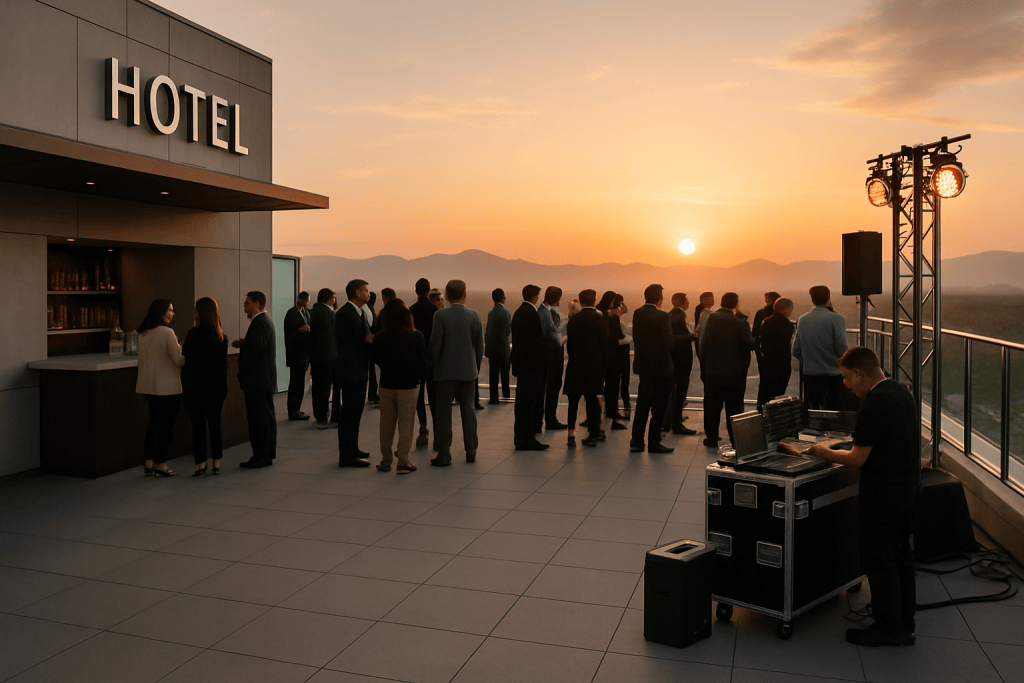
In the hospitality sector, the W Aspen has introduced a cocktail residency program, positioning its bar and lounge spaces as a rotating platform for guest bartenders and curated beverage concepts. The initiative is designed to give visitors a changing experience over time, effectively turning the venue into an ongoing pop-up that can support small-scale events, brand activations, and hosted gatherings.
The residency model reflects how hotels are treating bars and public areas as programmable spaces. For planners, it offers built-in thematic elements—menu design, storytelling, and guest talent—that can be layered into private events without building everything from scratch.
In Chicago, ILEA Live, the conference organized by the International Live Events Association, is focusing on education, peer connection, and the operational realities of producing modern events. Programming typically spans content such as production workflows, creative design, risk management, and technology adoption, giving suppliers and planners a forum to compare tools and practices in a live environment.
Meanwhile, the Las Vegas Formula 1 Grand Prix has outlined its entertainment lineup, reinforcing its strategy to position the race as part of a broader festival-style experience along the Strip. Beyond the on-track sessions, the schedule is expected to include concerts, fan experiences, hospitality builds, and branded environments, all of which require complex technical and logistical planning.
Industry impact
These initiatives underscore how event organizations and venues are treating experience design as a continuous layer rather than a one-off production. A cocktail residency at a resort, for instance, functions as a standing activation that can be amplified for hosted groups, influencer events, or hybrid campaigns.
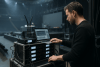
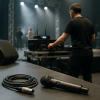
For event technology vendors, this creates recurring opportunities around portable AV setups, flexible lighting designs, and content systems that can be re-skinned for each residency or theme. Hotels and venues looking to support such programs often need reliable, easy-to-operate infrastructure that staff can manage between larger productions.
- Professional gatherings like ILEA Live often act as live testbeds for new platforms and workflows—from registration and access control to audience engagement tools and analytics.
- Large destination events such as the Las Vegas F1 race typically demand scalable audio, video, networking, and broadcast solutions that can integrate sponsor content and live entertainment with the core sports schedule.
As destination cities compete for major events, the ability to deliver robust technical production across multiple venues and days becomes a critical differentiator.
Why this matters
For event professionals, these developments illustrate how different segments of the market are converging around similar priorities: flexible spaces, layered entertainment, and reliable production capabilities. A resort experimenting with residencies, an industry association conference, and a global race weekend all rely on the same foundation—sound design, visual storytelling, and attendee-centric planning.
Vendors and planners who can operate across these formats stand to benefit, particularly those offering modular AV, content, and control systems that scale from hotel lounges to large outdoor stages. Continued investment in staff training and cross-disciplinary collaboration will also be essential, something gatherings like ILEA Live aim to support.
More information on the W Aspen property and its programming can be found via the brand’s official hotel pages at marriott.com, which highlight how hospitality spaces are being leveraged for evolving guest and event experiences.