CHS Manchester expands 2024 learning programme across three stages
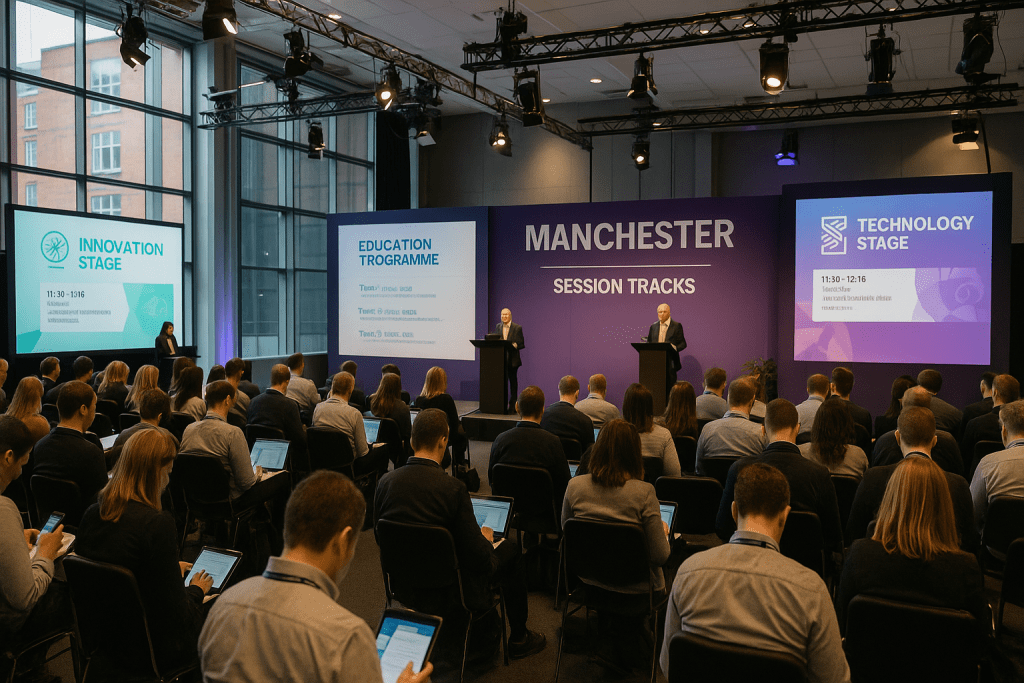
CHS Manchester is set to deliver its most extensive education programme to date this September, introducing a three-stage format designed to concentrate content and broaden learning opportunities for meetings and events professionals. With more than 30 speakers scheduled across the day, the show aims to offer a concentrated agenda of talks, debates and practical sessions for planners, venues and suppliers.
The expanded programme underlines how business events are evolving beyond traditional trade show formats, placing structured education and peer-led insight at the centre of the delegate experience. Organisers are positioning this year’s edition as a single-day forum for the exchange of ideas on topics that cut across the meetings and events supply chain, including event design, technology, marketing, sustainability and commercial strategy.
Background or industry context
As the meetings and events sector continues to balance in-person growth with digital innovation, organisers are under pressure to offer more than exhibition space and networking receptions. Planners increasingly expect access to curated education addressing operational challenges, shifting attendee expectations, and the impact of new technologies on how events are designed and delivered.
In this context, event education programmes are becoming key differentiators. Focused content streams, specialist stages and expert panels are now central features of many business events, intended to justify time away from the office and provide actionable insights. Shows such as CHS Manchester are responding by investing in structured learning experiences that mirror the complexity of the industry, from corporate meetings and incentive travel to large-scale exhibitions and hybrid conferences.
The move also reflects the growing overlap between event technology, audience engagement and data-driven decision making. As buyers evaluate venues and suppliers, they are simultaneously looking for guidance on integrating new tools, managing cost pressures and maintaining experience quality.
Key developments or announcement
This year’s CHS Manchester education programme will be delivered across three dedicated stages, each designed to serve distinct professional interests and levels of experience. Across the full day, more than 30 speakers will take part in presentations, fireside chats, case studies and interactive discussions.
While detailed session titles vary, the three-stage structure is intended to give visitors a clearer pathway through the content, helping them select topics aligned with their role and business priorities. The stages are expected to cover themes such as:
- Strategic and commercial planning for meetings and events
- Operational best practice, including logistics, production and risk management
- Emerging trends in event design, audience engagement and technology adoption
The programme is being built around current issues facing the sector, from budget constraints and staffing to the continued integration of digital channels into live events. Organisers have brought together voices from across the industry ecosystem, including agency leaders, corporate planners, venues and specialist suppliers.
Rather than isolating technology as a standalone topic, the agenda is expected to weave digital tools, data and platforms into broader discussions about event outcomes. This reflects a shift towards viewing technology as an enabler of strategic objectives – such as audience insight, sustainability reporting or personalised attendee journeys – rather than as a separate operational layer.
Industry impact
The decision to significantly scale up the educational content at CHS Manchester points to a wider trend in the business events market: shows are increasingly doubling as learning hubs. For UK and regional event professionals, a single-day event offering varied content can provide a practical alternative to multi-day conferences or overseas trade fairs.
For exhibitors and destinations, the expanded programme may also change how they approach participation. As visitors plan their time around key sessions, suppliers will need to align their presence with the themes under discussion, whether that relates to meeting design, event tech integrations, sustainability initiatives or new service models.
Industry stakeholders often look to established regional events to test new formats and programming approaches. If the three-stage structure at CHS Manchester proves successful in engaging attendees and driving repeat visitation, similar models may be adopted by other market-specific shows and conferences, both in the UK and internationally.
The focus on debate and collaboration also underscores a renewed appetite for peer exchange after several years of disruption. As event planners and suppliers continue to assess what works in a landscape reshaped by hybrid formats and shifting corporate travel policies, curated forums for sharing practical experience are likely to remain in demand.
Why this matters for event professionals and technology providers
For event planners, the expanded CHS Manchester education programme offers a concentrated opportunity to benchmark practices, discover new approaches and stress-test strategies against peer experiences. The three-stage model allows attendees to customise their day: senior stakeholders can prioritise strategic and commercial content, while operational teams can focus on delivery, risk and on-site execution.
Event technology providers, meanwhile, gain a platform where their solutions can be discussed in the context of real-world event challenges. Rather than standalone product demonstrations, technology is likely to feature within sessions on data, measurement, engagement and efficiency, giving suppliers a clearer understanding of how buyers are actually using tools in practice.
Both planners and providers can use the event as a lens on how the sector is approaching key issues such as:
- Balancing in-person and digital elements within event portfolios
- Capturing and using data to inform future event design and investment
- Supporting attendee experience while managing cost and resource pressures
- Responding to expectations around sustainability, accessibility and inclusion
For organisations reviewing their event strategies for the coming year, insights gathered from sessions and conversations at CHS Manchester can help shape decisions on technology adoption, venue selection, programme design and team structure.
Conclusion
By unveiling its largest education programme so far, CHS Manchester is reinforcing the role of regional shows as both marketplace and knowledge centre for the meetings and events sector. The three-stage structure and expanded speaker line-up signal that attendees increasingly expect structured, high-value learning alongside networking and product discovery.
As the industry continues to adjust to new operating realities, formats that combine targeted education with practical debate are likely to become even more central to how professionals keep pace with change. The upcoming edition in Manchester will serve as a test case for how far a one-day event can stretch its remit to cover strategy, operations and innovation under one roof.