
Take That’s 2026 Stadium Tour Underscores Live Event Strength
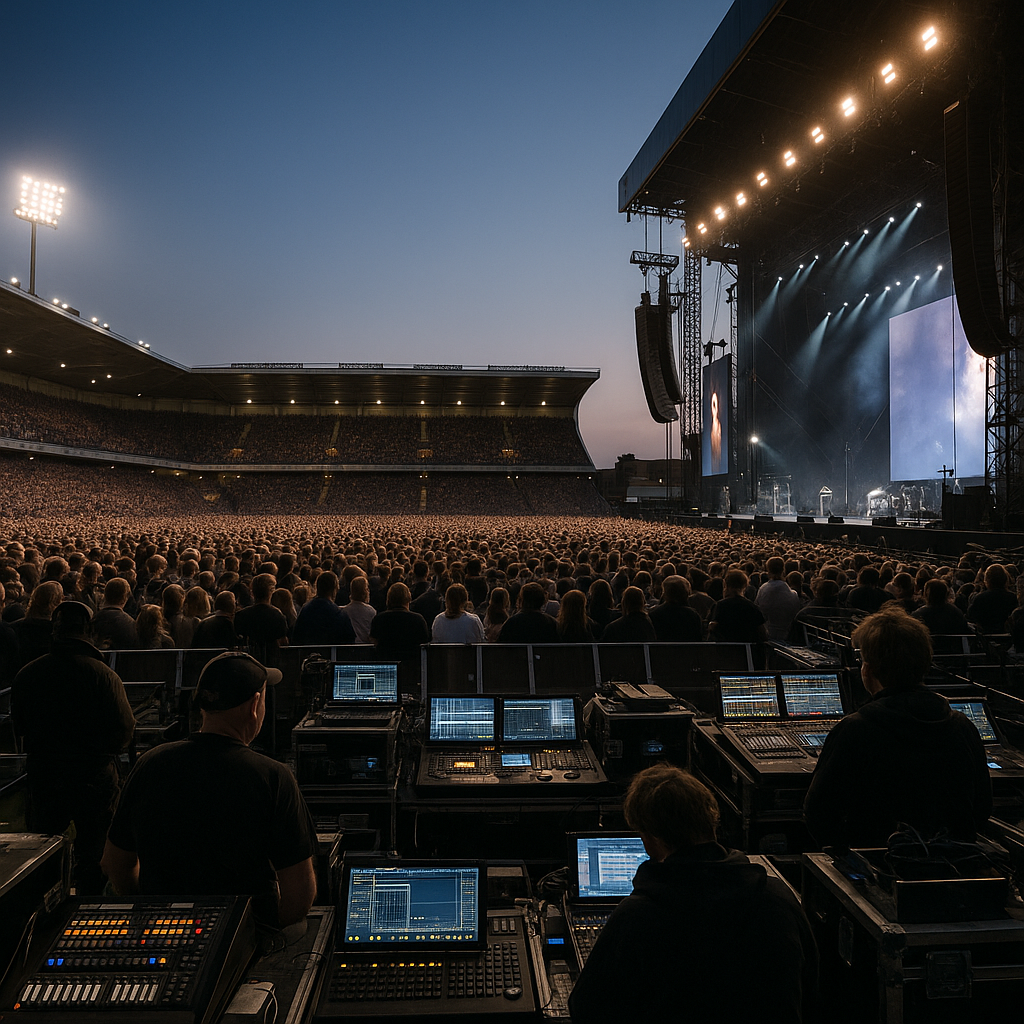
Take That’s latest stadium outing, The Circus Live – Summer 2026, has wrapped after a concentrated five-week run spanning major venues across the UK and Ireland. Across 17 stadium dates, the tour shifted more than 736,000 tickets, reinforcing both the band’s enduring audience appeal and the continued resilience of large-scale live productions.
More than 30 years after they first emerged, Gary Barlow, Howard Donald and Mark Owen continue to draw stadium-sized crowds, positioning the 2026 tour as one of the most prominent live music undertakings in the region this summer. For event professionals, the numbers provide a useful real-world benchmark for planning, operating and scaling complex touring productions.
Background and market context
The Circus Live – Summer 2026 took place at a time when the live entertainment sector is balancing strong fan demand with heightened expectations around production value, attendee experience and sustainability. Stadium shows, which require intricate staging, multi-day load-ins and large travelling crews, have become key proving grounds for advances in event technology and operations.
For touring acts with multi-decade careers, such projects also test the ability to maintain relevance with long-term fans while attracting new audiences. Take That’s sustained live performance record, now stretching beyond three decades, offers a case study in leveraging catalog, brand loyalty and evolving show design to support repeat stadium-level business.
Key developments and tour scale
Across 17 stadium shows in the UK and Ireland, the tour recorded total ticket sales exceeding 736,000. That equates to an average of more than 43,000 attendees per show, underscoring the logistical scale involved in delivering consistent experiences across multiple large-capacity venues in quick succession.
While detailed production specifications have not been publicly released, stadium tours at this level typically feature:
- Complex stage architecture designed for rapid assembly and disassembly between cities.
- Extensive audio and lighting rigs engineered for outdoor, large-bowl environments.
- High-capacity networking and connectivity infrastructure to support show control, media, ticketing and fan-facing digital services.
- Layered crowd management operations, including ingress, egress, safety, and emergency planning.
The five-week schedule meant a compressed touring window, placing additional emphasis on route planning, logistics coordination and supplier capacity. For vendors in staging, sound, lighting, rigging, video and event technology, it represents a demanding operational cycle with tight turnarounds between dates.
Industry impact and operational learnings
The scale of The Circus Live – Summer 2026 offers multiple points of reference for the wider events ecosystem, from promoters and venue operators to technology providers and production companies.
First, the ticket volume demonstrates that large-scale live music events remain a critical revenue engine, supporting extended supply chains that include production crews, freelancers, transport, hospitality, local staffing and digital services. In a landscape where hybrid and virtual models now sit alongside in-person experiences, the tour’s performance reinforces the unique economic and experiential value of high-capacity, in-person shows.
Second, stadium tours of this size drive innovation in live event technology, often accelerating adoption of new tools and workflows. These productions typically experiment with:
- Advanced show control systems coordinating lighting, video, pyrotechnics and automation in real time.
- Scalable networking solutions to support production, broadcast, content capture and data analytics.
- Ticketing and access control systems capable of handling rapid, high-volume entry while maintaining security.
- On-site connectivity for staff and attendees, enabling cashless payments, mobile ticketing and fan engagement apps.
Third, the repeatability of experience across 17 dates highlights the importance of standardised processes and interoperable technology stacks. For event tech suppliers, the ability to deploy consistent configurations at multiple venues is now a competitive differentiator.
Why this matters for event professionals and technology providers
For event organisers, production managers and venue teams, Take That’s 2026 stadium run provides a high-profile example of how large tours can be structured and delivered in current market conditions.
Key takeaways include:
- Demand planning: Selling 736,000 tickets within a five-week window requires close coordination between promoters, ticketing partners and marketing teams. Real-time sales analytics and demand forecasting tools become essential to decision-making on pricing, allocations and potential additional dates.
- Operational resilience: Stadium shows are vulnerable to weather, transport disruptions and equipment issues. Robust contingency planning, modular production design and redundancies in critical systems are now standard expectations rather than optional extras.
- Data-driven crowd management: At average attendances above 40,000 per show, monitoring crowd flows, queue times and pinch points is central to safety and guest experience. Increasingly, this involves sensors, CCTV analytics, incident management platforms and digital communication channels.
- Hybrid content opportunities: High-profile tours often generate valuable digital assets, from live streams and on-demand performance clips to behind-the-scenes content. While this tour has been positioned as a live stadium experience, similar productions frequently extend their reach via streaming, social platforms and fan communities, opening additional monetisation and engagement channels.
- Supplier ecosystems: Stadium tours depend on strong relationships across multiple suppliers and local partners. Event technology vendors that can demonstrate reliability at this scale — particularly in AV, connectivity, ticketing and safety tech — are well-positioned for future touring cycles.
For technology providers specifically, high-volume tours offer a live testing ground for scaling platforms, integrating with venue systems and collecting performance data under real-world conditions. Insights from such deployments can shape product roadmaps in areas like automation, remote monitoring, and data visualisation.
Conclusion
The Circus Live – Summer 2026 reinforces Take That’s position as a dependable stadium draw more than three decades into their career, while at the same time underscoring the capability of the UK and Irish live events market to deliver tours at significant scale.
With 736,000 tickets sold across 17 shows in just five weeks, the tour stands as a clear indicator that demand for large in-person experiences remains strong. For event professionals and technology suppliers, it also provides a timely reference point for the operational, technical and commercial requirements of contemporary stadium touring.
As the live sector continues to evolve alongside digital and hybrid formats, tours of this magnitude will remain influential in setting expectations around production quality, audience engagement and the role of technology in delivering reliable, high-impact experiences.


