Sennheiser adds integrated command function to Spectera firmware
Background and context
Spectera is part of Sennheiser’s digital audio portfolio aimed at broadcast, corporate, and live event applications where reliable communication is essential. The platform has been used primarily for audio transport and signal distribution in production environments.
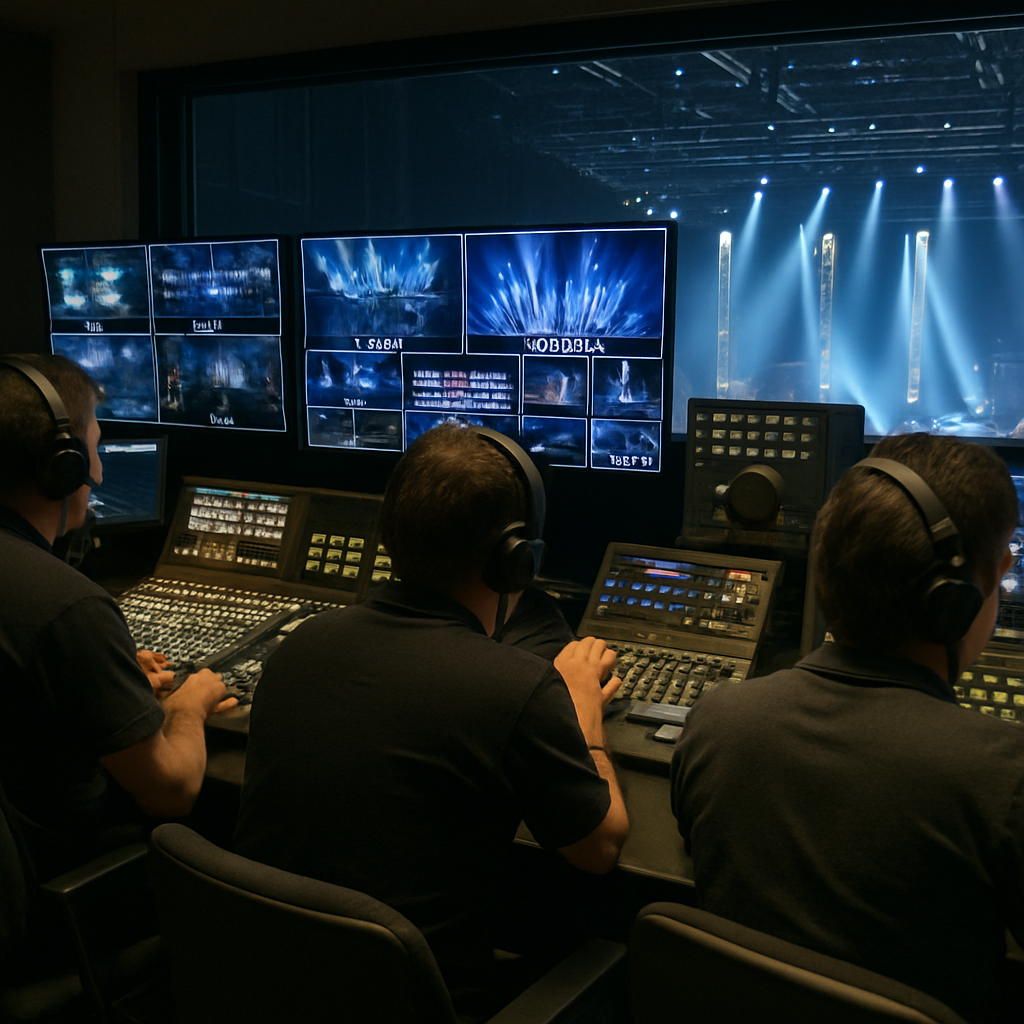
As intercom and program audio increasingly share the same network infrastructure, manufacturers are under pressure to integrate command and talkback functions into existing systems rather than relying on standalone solutions. This is particularly relevant for OB trucks, control rooms, and live venues where technical staff require flexible communication paths.
The latest Spectera firmware update reflects this broader shift toward converged IP-based workflows, where audio, intercom, and control data coexist on the same backbone.
Key announcement
Sennheiser has released a new firmware version for its Spectera platform that introduces built-in command functionality. The update enables users to configure and route intercom-style communication within the same environment used for audio transport.
According to Sennheiser, the firmware adds features designed to support production crews, including the ability to create dedicated command channels and manage talkback paths between control rooms, studio floors, and remote positions. The update is aimed at broadcasters, live production companies, and venues that already rely on Spectera for audio networking.
The new firmware can be downloaded via Sennheiser’s official support channels and is intended to work with existing Spectera hardware, avoiding the need for new devices in many setups. Further details on compatibility and configuration are available on the company’s website at sennheiser.com.
Industry impact
Integrating command functionality directly into Spectera is likely to appeal to technical teams seeking to reduce the number of separate systems in a production workflow. Instead of deploying a standalone intercom solution alongside audio transport, users can now manage both within a single platform.
This approach aligns with industry trends toward IP-based infrastructures in broadcast and live events, where equipment is expected to handle multiple roles over the same network. For rental houses and system integrators, the update may simplify design and commissioning of intercom-capable audio networks.
In larger facilities, such as broadcast centers or multi-room event venues, the firmware may help standardize communication paths across different production areas. It could also benefit mobile production units that require compact yet flexible intercom solutions using existing network hardware.
Why this matters
For event technology professionals, intercom remains a critical but often complex part of any production. By adding command functionality to Spectera, Sennheiser is positioning the platform as a more complete communication backbone rather than a purely audio-focused tool.
Technical directors, audio engineers, and communications specialists working in live events or broadcast can potentially consolidate systems, reduce cabling, and streamline configuration. The move also reflects ongoing convergence in the AV and broadcast sectors, where IP networks are expected to carry everything from program audio to crew communication.
As productions grow more distributed—spanning remote sets, multiple venues, and hybrid live/online formats—having integrated command capabilities within existing audio platforms may help teams respond more quickly to changing communication needs without significant new hardware investment.
- Broadcast facilities may use the update to integrate talkback and program audio on a single infrastructure.
- Live event crews can configure flexible communication groups without separate intercom racks.
- System integrators gain another IP-based option for command workflows in mixed AV environments.
While the long-term adoption of the new firmware will depend on real-world performance and integration with other systems, the update underscores how intercom and audio transport are converging in modern production workflows.