Creative experiential event concepts emerging from major consumer brands
Background and context
Major consumer brands continue to use experiential events as a way to stand out in a crowded media landscape, testing new formats and interactive elements to capture attention and build loyalty.
In recent months, companies from streaming services to beauty and beverage labels have experimented with immersive environments, hybrid content strategies, and hands-on experiences that aim to keep audiences engaged before, during, and after live activations.
For event planners and production teams, these initiatives offer a practical look at how large brands are blending digital touchpoints, physical spaces, and creative storytelling to support wider marketing goals.
Key announcement
A range of recent brand activations has showcased new approaches to experiential design, with concepts that could be replicated or adapted by event professionals across sectors.
- Streaming platforms have leaned into themed environments and fandom-driven experiences, using set-like installations, interactive screenings, and character-driven photo moments to extend popular content into the physical world.
- Beverage brands have explored hospitality-inspired builds, such as pop-up bars and outdoor lounges, combining tasting experiences with live music, art, and social-media-friendly staging to encourage sharing.
- Beauty and retail brands have focused on personalization, creating zones for product testing, tutorials, and mini services that translate easily into short-form content for digital channels.
These events often integrate QR codes, microsites, or app-based components that guide guests through the experience, capture first-party data, and connect in-person moments with ongoing digital campaigns. While each execution differs, the common theme is an emphasis on interactivity over passive attendance.
Industry impact
For the broader event and experiential industry, these concepts highlight several shifts in planning and production priorities.
- Multi-layered storytelling: Instead of single-focus pop-ups, many activations are now designed as journeys with multiple scenes, each reinforcing a different aspect of the brand narrative.
- Content-first design: Staging, lighting, and layout are frequently built around how moments will look on camera, ensuring that both attendees and remote audiences can access sharable visuals and stories.
- Flexible formats: Organizers are incorporating both open-to-public elements and invite-only segments, allowing the same build to serve press, influencers, and consumers with minimal reconfiguration.
- Measurement and data: Check-in flows, digital touchpoints, and post-event follow-ups are increasingly structured to gather measurable insights on attendance, dwell time, and engagement.
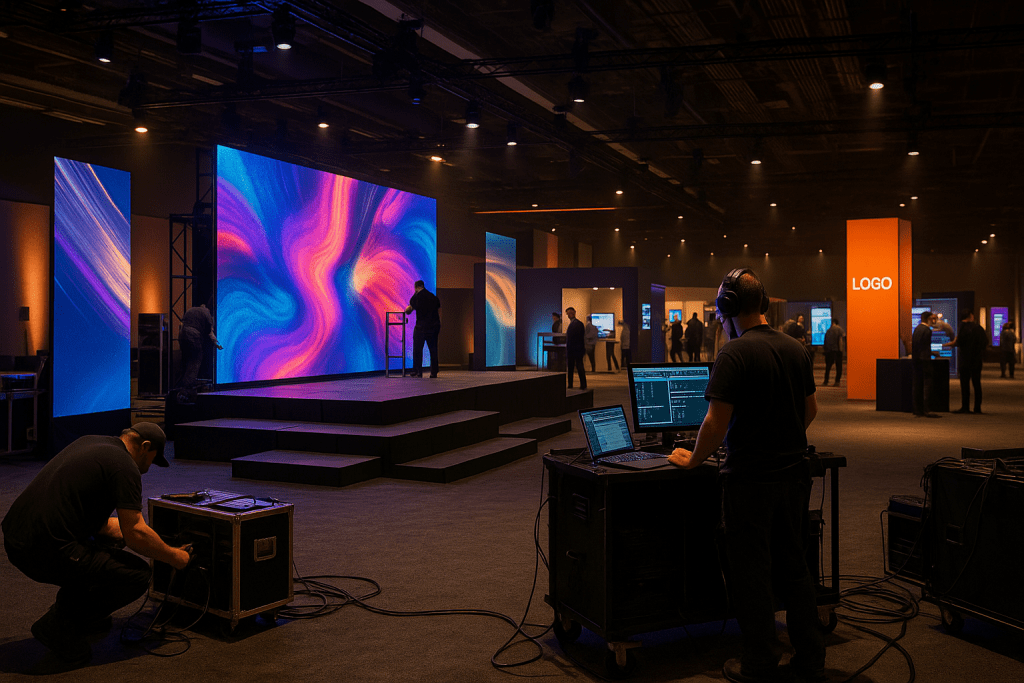
Vendors and agencies working in AV, staging, and production are likely to see rising demand for modular sets, immersive projection, and real-time content capture that can support this kind of layered programming.
Why this matters
For event technology professionals, the latest wave of experiential ideas from consumer brands serves as a live testing ground for new formats, tools, and audience expectations.
Concepts such as interactive screening rooms, branded hospitality lounges, and service-driven pop-ups can be scaled up or down for conferences, trade shows, festivals, and internal events. The growing emphasis on digital integration also underscores the importance of reliable connectivity, content management systems, and analytics platforms in modern event design.
As brands continue to blur the lines between entertainment, retail, and live experiences, planners who understand these trends will be better positioned to propose concepts that meet both creative and commercial objectives. Further information on current experiential approaches and case studies is widely available through manufacturer and vendor resources, including official product and solution pages on their respective websites.