Inside Netflix’s expansive FYSEE LA showcase for awards voters
Background and context
As streaming platforms compete for attention during awards season, many are expanding their live event strategies to engage voters and industry stakeholders. Netflix’s FYSEE LA initiative is one of the more visible examples of this shift, combining exhibition-style installations with experiential storytelling.
This year’s edition took place across two Netflix campuses in Los Angeles, bringing together sets, interactive elements, and behind-the-scenes content linked to some of the company’s highest-profile series. The project reflects a broader trend in which studios and platforms are turning to immersive environments to extend their brands beyond the screen.
Key announcement
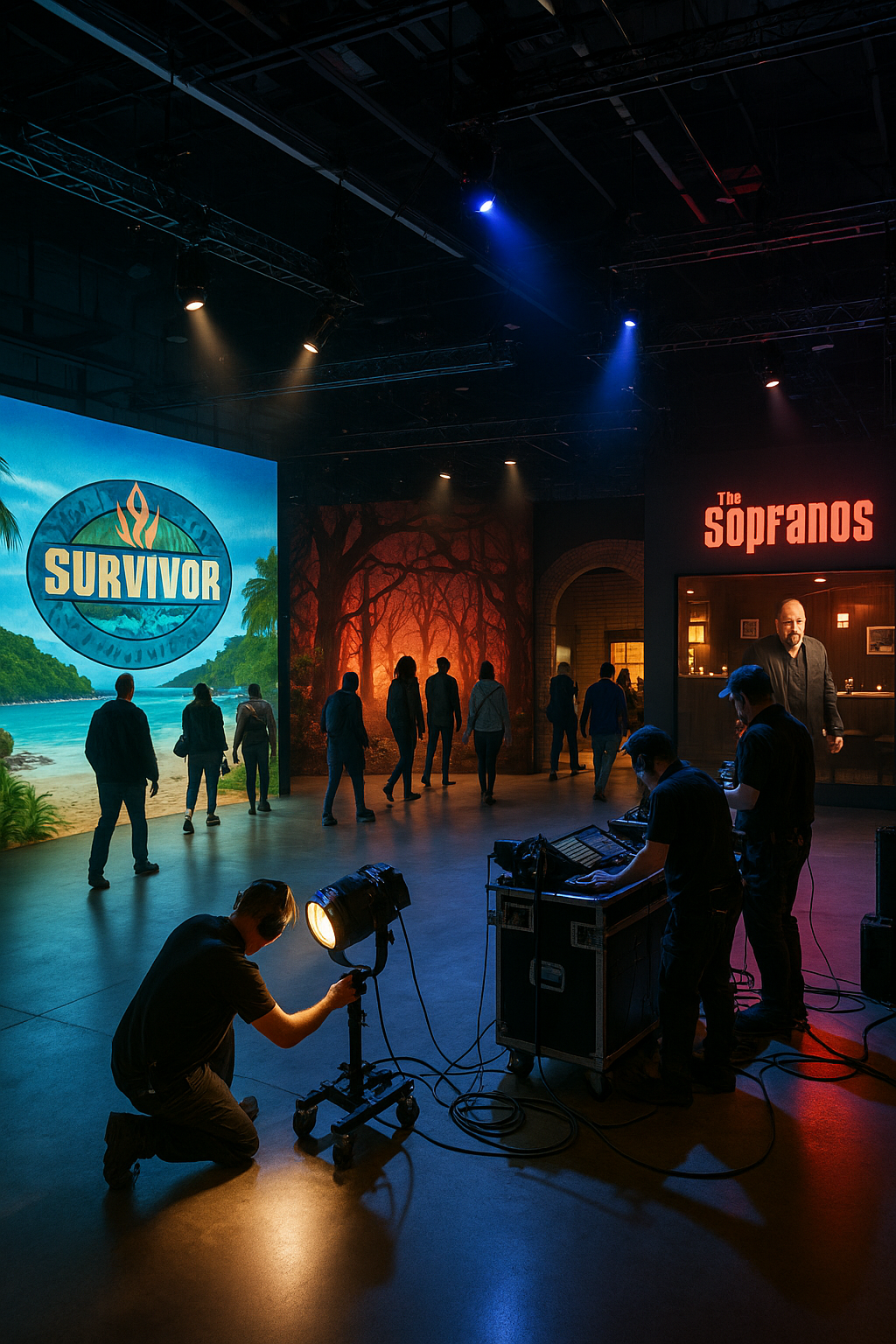
Production company Westhaus Group was tasked with designing and delivering the FYSEE LA experience, which featured more than a dozen distinct installations. These ranged from immersive environments inspired by individual shows to interactive areas and technical showcases that highlighted production craft.
Rather than a traditional screening program alone, the event blended fan-style experiences with industry-focused access. Attendees could move through spaces designed to evoke key locations or themes from selected Netflix titles, while also viewing behind-the-scenes materials that emphasized writing, direction, design, and visual effects.
The multi-campus format allowed the team to distribute different experiences across separate sites, creating a campus-wide circuit of content. Each area was tailored to a particular show or genre, using lighting, scenic elements, and AV integration to distinguish the environments while maintaining a consistent overall identity for the FYSEE brand.
Industry impact
FYSEE LA underscores how event production is becoming central to awards campaigning and content promotion. For vendors and planners, projects like this require close coordination between scenic design, technology integration, and narrative planning to ensure each installation supports both creative and strategic goals.
From an AV perspective, immersive spaces of this scale often involve complex projection, LED displays, spatial audio, and interactive components. While specific technical details were not disclosed, multi-location builds typically demand robust production workflows, repeatable scenic elements, and flexible infrastructure that can withstand heavy throughput from invited guests and industry professionals.
For agencies and production partners, Netflix’s approach highlights the growing demand for experiential work that can operate as both a marketing platform and a curated environment for high-level decision-makers, including awards voters, guild members, and press.
Why this matters
The FYSEE LA project illustrates how streaming platforms are investing in live experiences to differentiate their content portfolios in a crowded market. Instead of relying solely on digital campaigns or screenings, companies are using immersive events to create memorable, in-person touchpoints with targeted audiences.
For the broader event technology and production community, this points to continued opportunities in large-scale, content-driven activations that blend narrative design with advanced AV. As more studios look to replicate or adapt this model, there is likely to be increased demand for partners who can manage multi-site builds, complex show flows, and experiential storytelling at an enterprise level.
Further information on Netflix’s programming and initiatives can be found on its official website at netflix.com, which also showcases the range of content that informs experiences like FYSEE LA.