New study values UK outdoor events at over £25bn a year
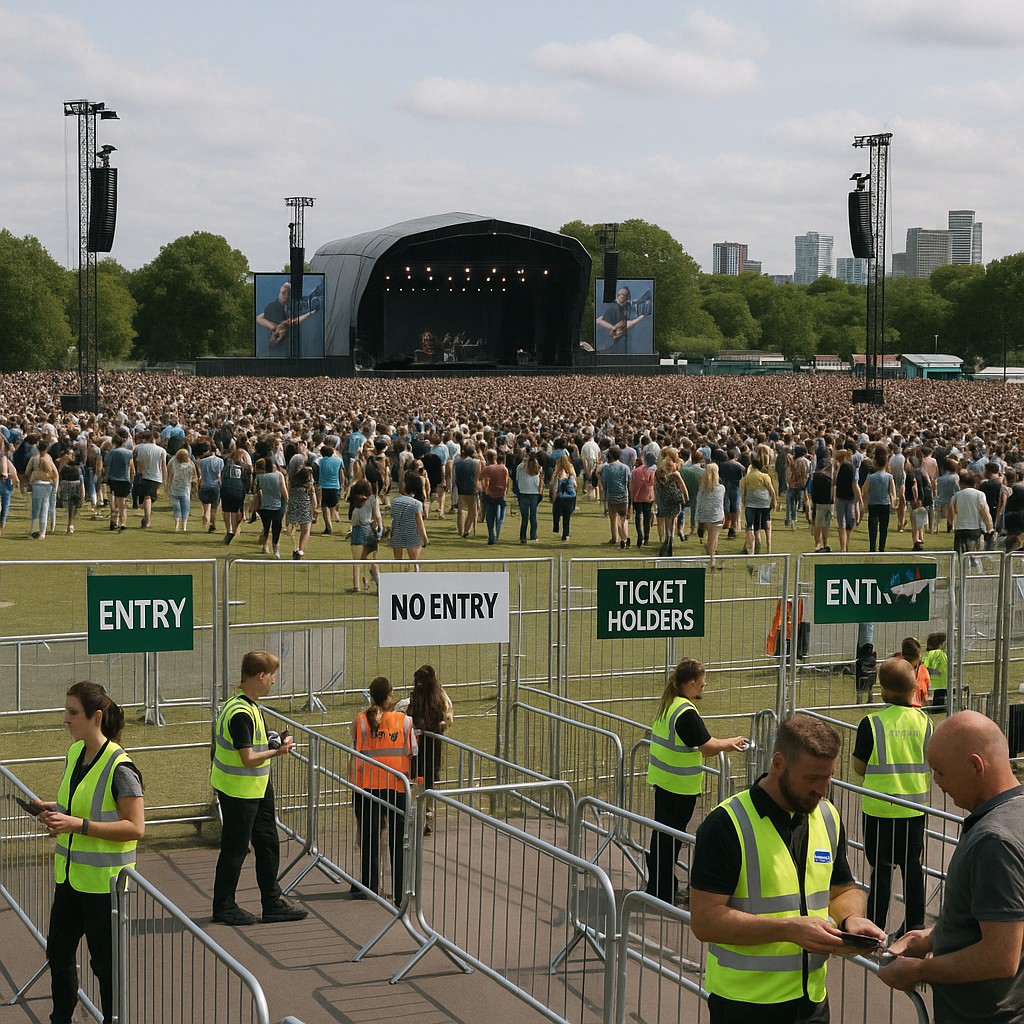
New research has put the annual economic contribution of the UK outdoor events sector at a minimum of £25 billion, marking the first comprehensive valuation of this part of the industry in eight years. The figures reflect the full chain of spending generated by outdoor events, from direct visitor and organiser expenditure to the broader economic activity that follows.
The study, which revisits a market last assessed nearly a decade ago, highlights the scale of outdoor festivals, cultural events, sports gatherings and large-scale public celebrations across the UK. It also examines employment levels and the persistent operational and regulatory challenges faced by organisers.
Background or industry context
The UK’s outdoor events landscape has evolved significantly since the last sector-specific report was compiled. In the intervening years, the market has experienced steady growth, the shock of the COVID-19 pandemic, supply chain volatility, changes in audience behaviour and increasing scrutiny around safety, sustainability and community impact.
Outdoor events – spanning music festivals, sporting fixtures, agricultural shows, city centre cultural programmes, outdoor exhibitions and civic celebrations – have long been recognised as important drivers of tourism and local economic activity. Yet, until now, the sector had been operating largely on outdated benchmarks, with policymakers and investors relying on pre-pandemic estimates to gauge its value.
For event technology providers, infrastructure suppliers and local authorities, this new research arrives as the market adjusts to hybrid models, digital ticketing, advanced crowd management systems and changing expectations around experience design. The report’s timing offers a new baseline against which to plan investment, procurement and regulatory policy.
Key developments or announcement
The headline finding of the study is that the UK outdoor events sector generates at least £25 billion in annual economic value. This figure encompasses not only direct spending by attendees and organisers, but also the cascading financial impact on suppliers, contractors, local hospitality businesses, transport, retail and other connected services.
Beyond economic output, the research assesses the number and type of jobs supported by outdoor events, including seasonal and freelance roles. It notes the sector’s reliance on a complex network of small and medium-sized enterprises – from staging and production companies to ticketing platforms, security firms and technology vendors – many of which operate almost exclusively in outdoor environments.
The report also identifies several recurring issues for organisers:
- Infrastructure pressures: The need for robust connectivity, power, staging and safety systems in temporary outdoor sites, often in challenging locations.
- Regulatory complexity: Navigating local licensing, safety regulations and noise management requirements, which can vary significantly between regions.
- Cost volatility: Rising operational costs, supply chain constraints and insurance challenges, particularly following the pandemic.
- Skills and workforce: Retention and development of specialist technical and production skills in a market shaped by seasonal peaks.
- Sustainability expectations: Responding to growing pressure from audiences, brands and authorities to reduce environmental impact while maintaining viability.
While the study presents an aggregate value, it also underscores the diversity of the outdoor events ecosystem, which encompasses major commercial festivals, community-led gatherings and events commissioned or supported by public bodies. This diversity brings resilience but also complicates attempts to create a single policy or support framework for the sector.
Industry impact
The new valuation is likely to influence how national and local decision-makers view outdoor events within wider economic, cultural and tourism strategies. A quantified contribution of £25 billion per year strengthens arguments for infrastructure investment, planning support and more predictable regulatory frameworks.
For local authorities, the data can support business cases for transport upgrades, city centre regeneration, public realm improvements and digital connectivity that cater directly to large gatherings. It may also inform how regions compete to attract flagship events and touring productions.
Within the supply chain, the findings offer vendors – particularly in production, logistics and event technology – a clearer picture of the market’s size and its dependence on specialist services. This can shape long-term investment in equipment, software platforms, workforce training and innovation around safety and sustainability.
Insurers, investors and finance providers may also look more favourably on the sector with updated figures demonstrating both scale and ongoing demand, despite disruption in recent years. The research provides a more robust evidence base for risk assessment and funding decisions.
Why this matters for event professionals and technology providers
For organisers, the study reinforces the strategic importance of outdoor events as part of the UK’s broader live events and experience economy. Understanding the sector’s cumulative value can support lobbying efforts, collaborative initiatives and long-term planning with partners and host destinations.
From a technology perspective, the report highlights several growth and adoption drivers:
- Digital operations: As outdoor events scale, there is stronger justification for investment in integrated ticketing, access control, cashless payments and crowd analytics tools capable of operating in open-air environments.
- Connectivity as a foundation: Reliable mobile networks, Wi-Fi and on-site communications become critical infrastructure, underpinning safety systems, production workflows and attendee experience.
- Data-informed planning: With a credible sector valuation, organisers and venues can better quantify the return on data and analytics platforms used for forecasting, resource allocation and post-event reporting.
- Safety and resilience: Technology for real-time monitoring, incident management and contingency planning is likely to remain a high priority for large outdoor gatherings.
- Sustainability reporting: Measurement tools that track energy use, waste, transport and supplier performance can help respond to the environmental concerns identified in the research.
Suppliers and service providers can use the study’s findings to refine their product roadmaps, demonstrating how solutions support not only event delivery but also the broader economic and social outcomes associated with outdoor programmes.
Conclusion
The new research confirming that the UK outdoor events sector generates at least £25 billion annually provides fresh evidence of its role within the national economy. Eight years after the last dedicated assessment, the updated valuation arrives at a time when organisers, suppliers and policymakers are reassessing priorities following a period of disruption and change.
For event professionals, the report offers a strengthened platform for strategic planning, advocacy and collaboration with public and private stakeholders. For technology vendors and infrastructure providers, it signals a sizeable, complex market with clear demand for solutions that improve resilience, efficiency and attendee experience in outdoor settings.
As the sector continues to adapt to new audience expectations, regulatory conditions and sustainability goals, the data underpinning its economic significance is likely to become a key reference point in shaping future investment and innovation across the outdoor events ecosystem.