Washington Event Community weighs Impact of Kennedy Center Closure
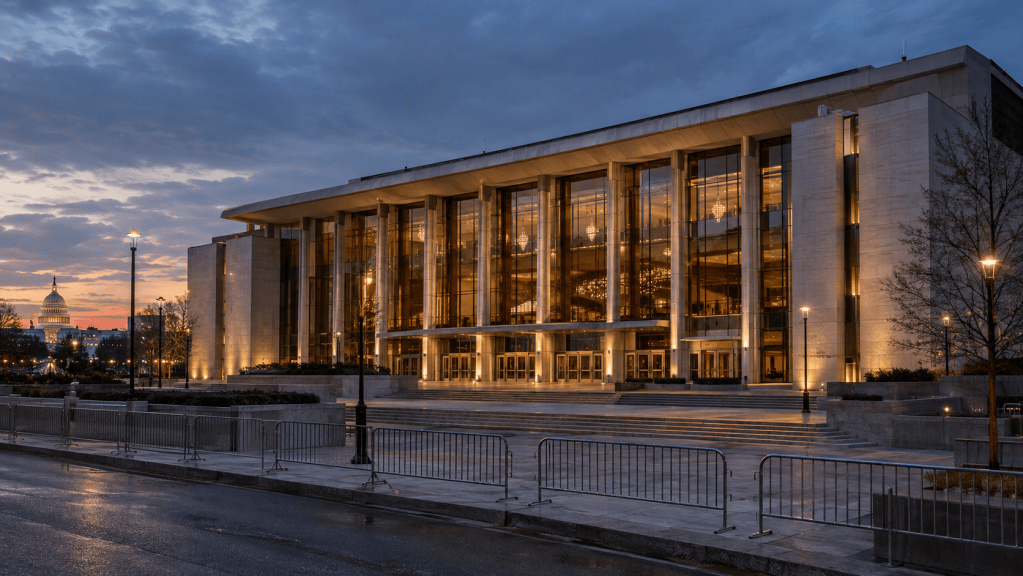
The ongoing closure of the John F. Kennedy Center for the Performing Arts in Washington, DC is reverberating across the local event ecosystem, as planners, producers, and venue partners reassess how they program major cultural and corporate gatherings in the US capital.
The iconic venue, commonly known as the Kennedy Center, remains closed while debate continues over its name and reported state of disrepair. With no confirmed reopening timeline publicly detailed, the situation is forcing event stakeholders to navigate both logistical disruption and reputational uncertainty.
Washington Event Community faces Loss of Flagship Venue
For decades, the Kennedy Center has served as a high-profile setting for galas, conferences, award ceremonies, and cultural showcases, alongside its core performing arts programming. Its absence from the market reduces the number of large, nationally recognized venues available to planners seeking a prestigious address in Washington, DC.
Event professionals are now reworking calendars, moving or resizing programs, and exploring alternative sites around the city. The closure is particularly challenging for events that relied on the venue’s symbolic stature and established audience draw, not just its capacity and production infrastructure.
Venue Closure raises Concern over Building Condition
Controversy around the Kennedy Center’s alleged state of disrepair is a central factor in the closure. For planners, this raises practical questions about long-term reliability and safety standards at one of the city’s most recognizable cultural landmarks.
While detailed technical assessments have not been publicly outlined in full, the suggestion that the building requires significant attention complicates future planning. Event organizers that typically secure prime dates months or years in advance face added risk when venue readiness cannot be guaranteed.
Name Controversy influences Stakeholder Perception
Alongside facility concerns, the Kennedy Center is also under heightened scrutiny due to controversy surrounding its name. That debate adds a reputational dimension to the operational disruption, pushing some organizations to reconsider brand alignment and audience sentiment when selecting venues.
For sponsors, corporate hosts, and association leaders, venue choice is increasingly evaluated not only on technical and logistical criteria but also on cultural and political context. The Kennedy Center’s naming dispute underscores how quickly such factors can influence decision making in the events sector.
Event Professional Response and Market Adjustment
In the short term, Washington event professionals are turning more aggressively to hotels, museums, alternative performance spaces, and purpose built event facilities to fill the gap. This shift is expected to increase pressure on availability and pricing at other large venues across the city.
Production teams are also adapting to spaces that may not have been originally designed for the same scale or complexity of programs previously staged at the Kennedy Center. That often requires additional investment in audiovisual equipment, staging, and temporary infrastructure to maintain production quality.
Program Rethink for Cultural and Corporate Event Format
For some organizers, the lack of access to the Kennedy Center is prompting a deeper rethink of event formats. Multi day conferences and large scale ceremonies that once depended on a single marquee venue are being reimagined as multi venue experiences or hybrid programs that combine smaller in person moments with digital extensions.
This redesign allows planners to distribute audience flow, leverage neighborhood specific venues, and build resilience into their plans in case of further venue related constraints.
Broader Question over Infrastructure Investment and Venue Strategy
The Kennedy Center closure is also fueling wider conversations about the state of cultural and event infrastructure in Washington, DC. The situation highlights the operational risk associated with aging landmark buildings and the importance of proactive maintenance planning for venues that host high profile national and international events.
For the event technology and production community, the uncertainty reinforces the need for flexible designs, modular systems, and portable solutions that can transition rapidly between venues. It also spotlights the role of venue operators in communicating clearly with planners about timelines, works in progress, and any limitations that may affect show design or attendee experience.
Ongoing Uncertainty shapes Future Booking Decisions
Until there is clarity around the Kennedy Center’s condition, naming controversy, and path to reopening, many event professionals are expected to favor venues with more predictable operational outlooks. This could reshape venue booking patterns in Washington, DC over the medium term, even after the iconic center returns to service.
In the meantime, the closure serves as a reminder to organizers and suppliers alike that venue strategy is a critical part of risk management. As the Washington event community continues to adjust, the long term impact on programming, production design, and destination competitiveness will be closely watched across the broader live events industry.