New Guide Maps Festival And Outdoor Event Landscape For 2026
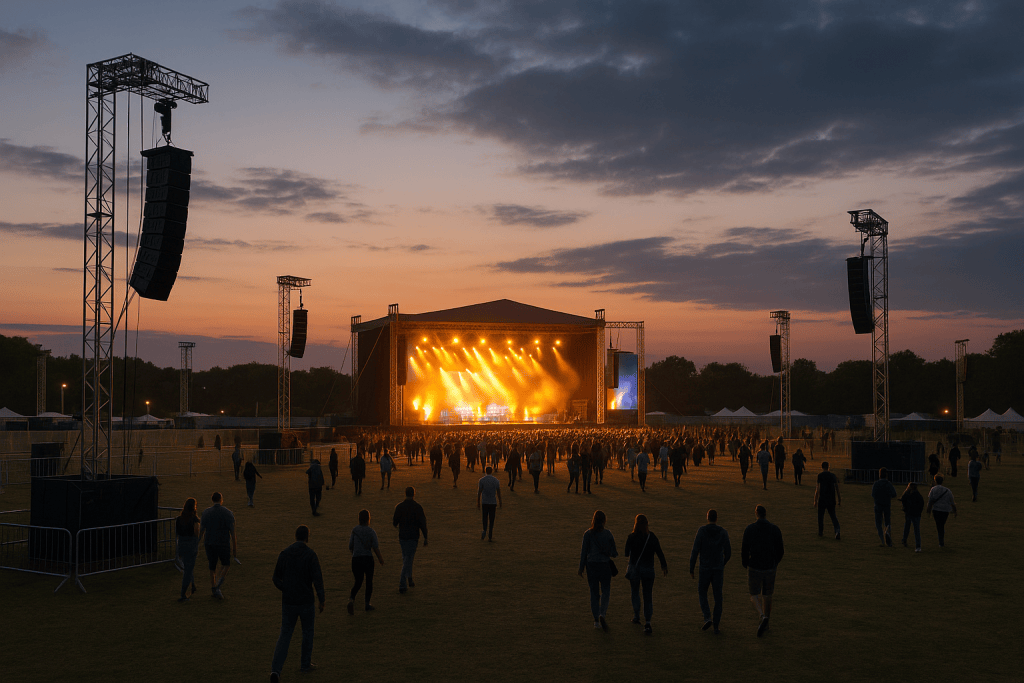
A new Festival & Outdoor Event Guide 2026 has been published to help organisers, suppliers and venues navigate a fast-changing open-air event landscape marked by rising costs and shifting audience expectations.
The guide focuses on major music festivals, outdoor sports events, cultural celebrations and experiential formats, outlining how this part of the industry is evolving and where organisers are concentrating their planning efforts for the 2026 season.
Guide Overview For Festival And Outdoor Event Sector
The Festival & Outdoor Event Guide 2026 positions the open-air festival market as one of the most dynamic areas of the wider event industry. It highlights how organisers are introducing new ideas across programming, site design and visitor experience while responding to changing operating conditions.
Covering a broad mix of formats, the publication looks at large music and entertainment festivals, outdoor sporting occasions, cultural gatherings and other open-air experiences. Within these segments, it examines how event teams are adjusting their approaches as they plan for 2026.
Cost Pressure And Commercial Planning
Rising costs feature as a key theme throughout the guide. Organisers are described as working within tighter financial parameters while still being expected to deliver memorable, high-impact experiences in outdoor environments.
The guide notes that this pressure is influencing decisions on everything from supplier procurement and infrastructure choices to the duration and scale of events. Budget scrutiny is increasingly present across staging, technical production, staffing and guest services.
Audience Change And Visitor Expectation
The Festival & Outdoor Event Guide 2026 also addresses changing audience behaviour. Visitor expectations are characterised as evolving quickly, shaped by broader entertainment trends and previous live experiences.
Open-air event attendees are seeking a wider mix of activities and more flexible ways to engage with festivals and outdoor productions. This is having an impact on site layouts, programming schedules and the range of services offered on site.
Innovation Across Festival And Outdoor Formats
Innovation is presented as a defining feature of the festival and outdoor events sector. The guide points to organisers testing new concepts around how audiences move through sites, discover content and spend time away from main stages or core sports action.
In addition, the publication notes a continued appetite for fresh formats and creative approaches that differentiate events in a crowded market. This includes rethinking how outdoor spaces are used, how audiences are welcomed and how the atmosphere of a festival or open-air event is shaped across multiple days.
Role For Suppliers, Venues And Production Teams
While centred on organisers, the Festival & Outdoor Event Guide 2026 positions suppliers, venues and production specialists as integral to delivering successful outdoor programmes. The document underlines the interconnected nature of the sector, where staging, technical systems, safety planning and guest facilities must operate in close alignment.
Infrastructure providers, audiovisual teams, site managers and other technical partners are described as working within the same context of cost pressure and rising expectations. Their ability to support evolving formats and visitor needs is presented as central to the overall health of the outdoor event ecosystem.
Planning Focus For 2026 Season
The guide identifies 2026 as a further staging point in the ongoing evolution of festivals and outdoor events, rather than a single turning point. Planning for that season is framed around balancing creativity with resilience across operations, programming and commercial models.
Within that planning, organisers are said to be reviewing how they scope event footprints, schedule activities and design audience journeys. The guide highlights that decisions in these areas are now closely tied to financial sustainability and the capacity to adapt to external change.
Sector Diversity Across Music, Sport And Culture
The publication emphasises that the festival and outdoor events sector is not defined by one dominant format. Instead, it spans large-scale music gatherings, outdoor sports occasions, cultural festivals and a range of hybrid experiences.
This diversity is reflected in the guide’s coverage, which looks at how different types of open-air events face distinct operational and audience challenges while sharing common concerns around cost, expectation and innovation.
Continuing Adaptation Within Outdoor Event Industry
The Festival & Outdoor Event Guide 2026 underlines that adaptation remains a constant requirement for the outdoor event industry. Organisers and partners are described as refining their approaches each season in response to new pressures and opportunities.
By bringing together commentary on costs, audiences and innovation within festivals and open-air experiences, the guide is positioned as a resource for professionals seeking to understand how the sector is moving into 2026 and where operational focus is likely to sit in the near term.