Historic Dockyard Chatham expands its role as event venue
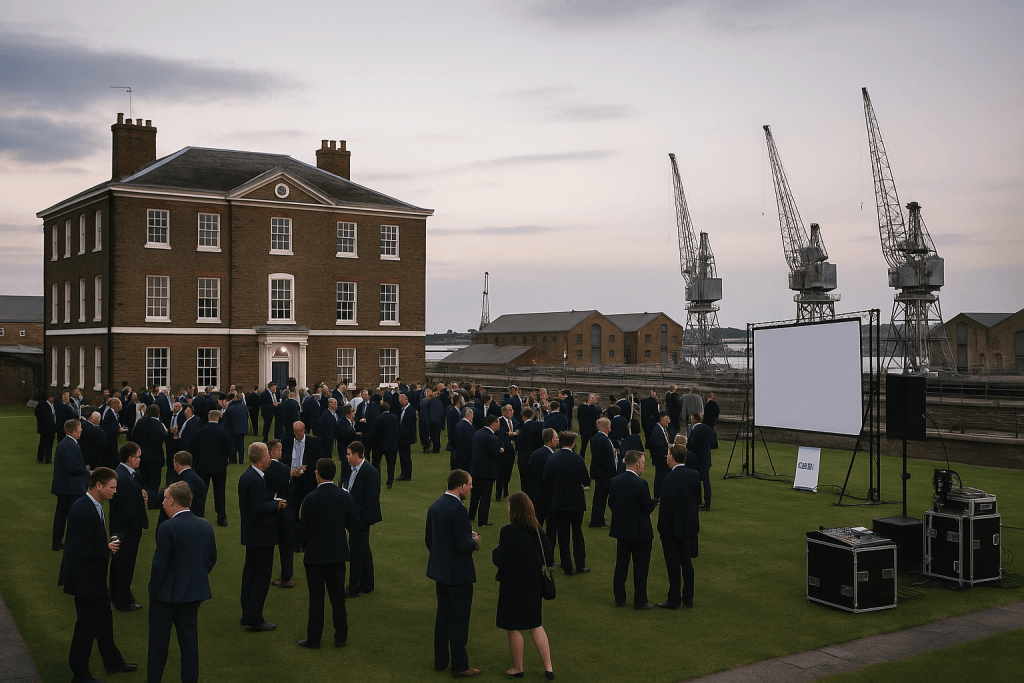
The Historic Dockyard Chatham, one of the UK’s most prominent maritime heritage locations, is placing renewed emphasis on its role as a large-scale events destination. With 80 acres of dockyard, museums and historic structures, the Kent-based site is highlighting its capacity to support conferences, exhibitions and corporate functions alongside public and cultural programming.
The former Royal Navy dockyard, now operated as a visitor attraction and heritage estate, is positioning its portfolio of period buildings and industrial spaces as adaptable environments for modern event formats, including hybrid and digitally enabled experiences.
Background or industry context
Historic and non-traditional venues have become increasingly important to organisers seeking differentiated experiences for delegates and visitors. Locations such as repurposed factories, rail depots and dockyards offer visual impact and narrative context that conventional conference centres often cannot match.
At the same time, event buyers are demanding venues that can accommodate complex technical production, flexible room layouts, and integrated catering and logistics. This has pushed heritage sites to invest in infrastructure, digital connectivity and operational expertise, enabling them to handle everything from business meetings and product launches to large-scale film shoots.
Within this context, the Historic Dockyard Chatham’s combination of historic assets and open spaces positions it as a potential option for organisers looking to stage distinctive events within reach of London and the wider South East of England.
Key developments or announcement
The Historic Dockyard Chatham encompasses more than 100 buildings and structures, including 48 Scheduled Ancient Monuments, across its 80-acre site. The venue is placing particular focus on several key spaces that are being promoted for business events, hospitality and private hire.
At the centre of the dockyard is the Commissioner’s House, widely recognised as the oldest surviving naval building of its type in the UK. The property combines period interiors with formal gardens, making it suitable for conferences, dinners, receptions and smaller exhibitions that benefit from multi-room layouts and indoor-outdoor flow.
Beyond the Commissioner’s House, the wider dockyard provides a mix of large industrial halls, waterside locations and museum environments that can be used individually or in combination. These include former working buildings, galleries and covered spaces that can support set builds, staging, temporary structures and exhibition-style floorplans.
The estate’s variety means that the site can host contrasting event formats simultaneously, such as corporate presentations alongside filming, brand activations or public-facing experiences, subject to operational feasibility and heritage protection requirements.
Industry impact
The positioning of the Historic Dockyard Chatham as a multi-purpose events campus reflects a broader shift in how heritage destinations engage with the events sector. For event planners, this adds another large-scale, character-rich option to the UK venue landscape at a time when demand is strong for spaces that create a sense of place and storytelling.
The dockyard’s extensive footprint and number of distinct settings could be particularly relevant for organisers designing multi-track conferences, experiential exhibitions or incentive programmes that need multiple zones with different atmospheres. The presence of historic ships, dock basins and naval architecture may also appeal to events with maritime, engineering or STEM-related themes.
From an industry perspective, the dockyard’s capabilities may help address pressure on traditional city-centre venues by offering an alternative for mid-to-large scale gatherings, especially those willing to trade central location for heritage character and expansive outdoor options.
Why this matters for event professionals and technology providers
For planners, the emergence of the Historic Dockyard Chatham as a more actively marketed event venue underlines several practical considerations:
- Format flexibility: The mix of period interiors, industrial buildings and open-air spaces can support conferences, gala dinners, exhibitions, product launches and hybrid formats that integrate live and streamed content.
- Experience design: Heritage venues like the dockyard inherently provide visual interest and a distinctive narrative backdrop, reducing the need for extensive theming while still allowing custom production and branding.
- Zoned events: The scale of the site lends itself to programmes that require multiple breakout spaces, VIP areas, catering hubs and exhibition pockets spread across different structures.
For technology providers and production teams, heritage locations introduce both opportunities and constraints:
- Technical integration: Deploying AV, lighting, staging and networking infrastructure often requires careful planning in collaboration with venue teams to ensure protection of historic fabric while delivering reliable connectivity and production values.
- Hybrid capacity: As organisers continue to stream content and capture sessions, there is scope for providers to design portable, minimally invasive broadcast setups tailored to listed buildings and heritage protections.
- On-site logistics: Large estates demand robust planning for power distribution, rigging, load-in routes and wayfinding technology to manage delegate flow and safety effectively.
Vendors specialising in temporary structures, silent conferencing, mobile networking, and low-impact rigging may find particular relevance in supporting events at the dockyard and similar heritage venues.
Conclusion
The Historic Dockyard Chatham’s move to foreground its events capability reinforces the growing role of heritage destinations within the business events ecosystem. By combining maritime history, extensive outdoor areas and a diverse set of buildings, the site is positioning itself as a flexible location for conferences, exhibitions and corporate gatherings that prioritise atmosphere as well as functionality.
As organisers continue to look beyond conventional conference centres, venues such as the dockyard will depend on close collaboration with event professionals and technology partners to balance preservation with production. For the wider sector, the development underlines the continued convergence of cultural heritage and commercial events, opening up new possibilities for content-rich, place-specific experiences.