National Gallery plans candlelit wedding amid masterpieces
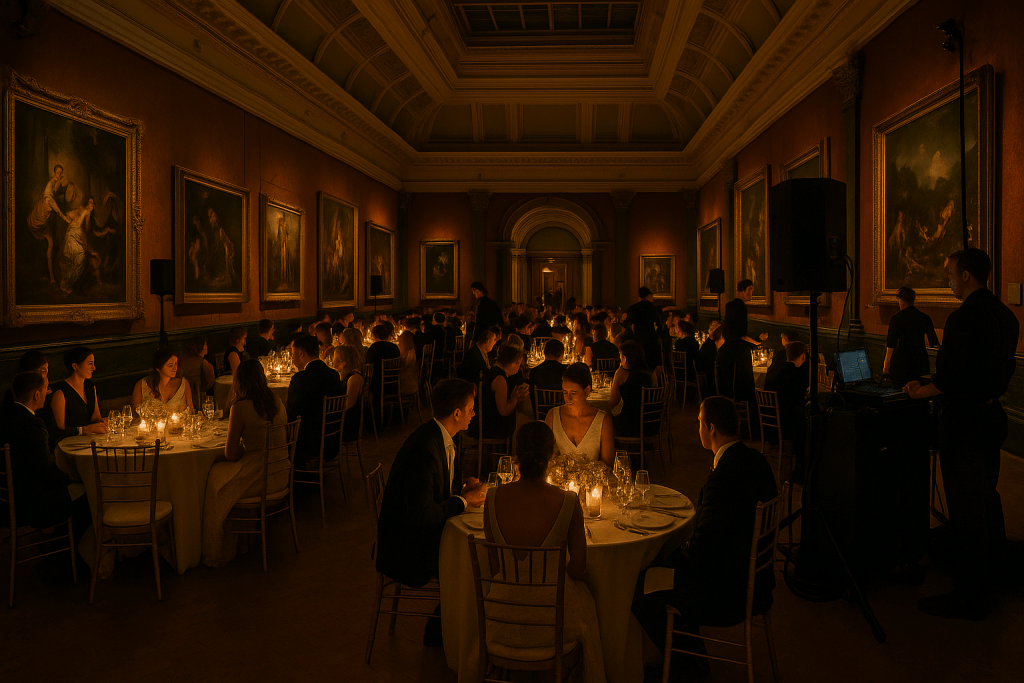
In March 2026, London’s National Gallery transformed its historic galleries into the setting for an intimate candlelit wedding, welcoming 115 guests for a celebration designed around the couple’s shared love of art and history. The event highlighted how cultural institutions are increasingly positioning their collections and spaces as distinctive venues for private and corporate gatherings.
Background: museums as event venues
Museums and galleries have been expanding their role in the event economy for more than a decade, using private hire to diversify revenue streams and reach new audiences. Institutions with strong reputations and landmark collections are finding increased demand from clients seeking immersive, story-led environments that go beyond conventional hotel ballrooms or conference centres.
For the National Gallery, located in London’s Trafalgar Square and home to works by artists such as Van Gogh, Turner and Botticelli, private events provide a blend of cultural engagement and hospitality. Clients can host dinners, receptions and brand experiences in spaces surrounded by world-renowned artworks, under tightly managed conservation and security protocols.
This wedding illustrated how a heritage venue can be adapted for a highly personalised, experience-driven format, with event planning and technical delivery woven around the requirements of a working gallery and public attraction.
Key details of the 2026 celebration
The March 2026 wedding was built around the bride’s longstanding connection to the National Gallery. An art historian and Young Patron of the institution, she wanted to share the venue that had shaped much of her professional and cultural life. Her husband, originally from Scotland, also sought a central London setting that could bring together guests travelling from different parts of the UK and abroad.
The couple hosted 115 attendees, opting for an intimate scale within the context of the building’s grand architecture. The event design focused on atmosphere rather than large-scale staging, with a particular emphasis on candlelight and the interplay between the artworks and the evening’s lighting design.
While the gallery’s core function as a public art space remained paramount, the private hire team coordinated schedules, security, and access to enable a seamless transition from public opening hours to a closed evening celebration. Conservation requirements shaped many production decisions, including restrictions on heat sources, sound levels, and equipment placement, as is common in heritage venues.
Catering, guest flow and technical infrastructure were all configured to work around the gallery layout. Event planners had to consider how guests would move between spaces, how service teams could circulate discreetly, and how to maintain clear routes for emergency access, all within an environment containing priceless collections.
Atmosphere, design and technical delivery
The creative brief centred on achieving an intimate, romantic feel within a formal setting. Candlelit tables and low-level lighting were used to complement, rather than overpower, the existing gallery illumination. Any use of open flame in such venues typically requires strict risk assessments and the use of approved equipment, which shapes the choice of candles, holders and table layouts.
Lighting designers worked within conservation guidelines to ensure that levels and positioning did not negatively affect the artworks on display. Instead of dramatic colour washes or moving fixtures often seen at corporate events, the approach prioritised warm tones and gentle enhancement, supporting both guest comfort and collection safety.
Audio requirements were relatively modest compared with large conferences or live entertainment events, but still needed careful calibration to respect the building’s acoustics and avoid structural vibration. Speech reinforcement for toasts and any background music would have been balanced to maintain intelligibility without disturbing more sensitive areas of the collection.
Behind the scenes, standard event infrastructure—such as power distribution, catering support, cloakroom logistics and guest registration—had to be integrated into a Grade I-listed environment. Cable runs, temporary structures and equipment storage were all managed to minimise visual impact and to comply with venue regulations.
Industry impact: cultural spaces and premium events
While weddings are a specific segment, the 2026 National Gallery event exemplifies a broader direction of travel in the events sector. Cultural venues are increasingly part of the mix for brand activations, leadership summits, association meetings and high-net-worth private events, offering:
- High-impact backdrops that support storytelling and content creation
- Built-in themes for programmes, from art and heritage to innovation and creativity
- Opportunities to blend education, networking and hospitality in one setting
- Perceived value and exclusivity that can justify premium ticketing or sponsorship
For venue operators, each successful private event strengthens operational know-how in areas such as technical integration, supplier management and audience flow in non-standard formats. This, in turn, makes it easier to support more complex corporate or hybrid events in future.
Why this matters for event professionals and tech providers
The National Gallery wedding underscores several trends relevant to planners and technology suppliers working across conferences, exhibitions and experiential events:
- Experience-led design: Clients increasingly prioritise narrative, atmosphere and guest journey over traditional format. Event teams must be able to translate a personal or brand story into spatial design, lighting, sound and hospitality choices that work within heritage constraints.
- Technical integration in sensitive spaces: Working in museums and galleries often means limited rigging points, strict lighting levels and restricted installation times. AV and production partners need flexible, low-impact solutions—such as compact sound systems, wireless technologies and unobtrusive control positions.
- Operational collaboration: Heritage venue events typically require close cooperation between in-house conservation, security, facilities and events teams. External planners need to build additional time into schedules for approvals, risk reviews and testing.
- Content and storytelling opportunities: For corporate clients, a gallery setting can extend beyond aesthetics. Curated tours, talks by curators or art historians, and thematically aligned sessions can be integrated into agendas, supported by digital content, mobile apps and on-demand video.
- Hybrid and digital potential: While this wedding focused on an in-person experience, the same spaces can host streamed ceremonies, virtual tours or remote attendance for international guests. This opens avenues for event tech providers to develop lightweight, venue-friendly streaming and capture packages tailored to cultural institutions.
Conclusion
The candlelit wedding at the National Gallery in March 2026 serves as a case study in how cultural venues can accommodate personalised, high-touch events without compromising their primary role as custodians of major art collections. For the events ecosystem, it highlights both the opportunities and the requirements of working in heritage environments—from careful technical planning to collaborative operations and experience-centric design.
As demand grows for distinctive, story-rich settings for weddings, corporate gatherings and hybrid programmes, museums and galleries are likely to play a larger role in the venue mix. Event professionals and technology providers who understand the constraints and possibilities of these spaces will be better positioned to deliver premium experiences that combine culture, hospitality and innovative production.