New Canadian venues expand options for 2026 meetings and events

Background and context
Canada’s meetings and events sector is preparing for a busy 2026, with planners looking for fresh locations that can handle evolving expectations around technology, flexibility, and attendee experience. As travel and in-person gatherings continue to rebound, new and updated venues are coming online across major Canadian cities.
Restaurants with private dining rooms, lifestyle hotels with dedicated event floors, and mixed-use developments with built-in meeting infrastructure are becoming more common. These spaces aim to support both corporate and association events, as well as incentives and social functions.
Against this backdrop, five recently opened or reimagined venues in Canada are drawing attention for summer 2026 programs, offering planners additional options in key markets.
Key announcement
Five new or newly refreshed venues across Canada are positioning themselves as candidates for small to mid-sized meetings, off-sites, and special events in 2026. While each property targets a different segment of the market, together they highlight several trends: integrated AV, flexible layouts, and a focus on food and experience.
-
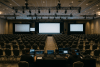
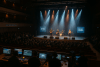
Urban hotel with tech-ready meeting floors: A new hotel in a major Canadian city has opened with multiple configurable meeting rooms, a ballroom, and built-in audiovisual infrastructure. The property is designed for corporate meetings and conferences, offering hybrid-ready spaces and high-speed connectivity tailored to event production needs.
-
Restaurant with private event spaces: A recently launched restaurant concept now includes a dedicated private dining area and semi-private zones suitable for client dinners, intimate launches, and team gatherings. The venue focuses on local cuisine and aims to offer an alternative to traditional hotel banquet rooms.
-
Renovated convention-adjacent space: A refurbished venue near an existing convention center has updated its interiors and event infrastructure. The site is targeting overflow events, receptions, and breakouts that complement larger citywide conferences.
-
Boutique property for incentives and retreats: A smaller, design-led property in a resort or secondary market has expanded its event capabilities with outdoor spaces and flexible indoor rooms. It is positioned for incentive groups and executive retreats that require privacy and experiential programming.
-
Mixed-use development with built-in meeting options: A new mixed-use site, combining hospitality, dining, and workspace, has opened with adaptable areas that can support pop-up events, product showcases, and community-focused programs.
Collectively, these venues reflect how Canadian hospitality operators are preparing for more complex technical requirements and multi-format events. Further details and technical specifications are typically available via each venue’s official website or product page.
Industry impact
For event planners, the addition of new venues in Canadian cities broadens the range of formats that can be delivered in 2026, from traditional conferences to experiential activations. The growth of tech-enabled spaces, in particular, supports the continued integration of live streaming, interactive content, and data-driven event design.
The presence of more hotel-based meeting floors and convention-adjacent properties could ease pressure on peak dates in established conference hubs. This may also encourage more regional events, as planners have greater confidence in finding suitable spaces outside the most saturated markets.
Meanwhile, the inclusion of restaurants and mixed-use environments in the venue mix underscores a wider industry shift toward informal, highly social experiences. These spaces often lend themselves to smaller AV footprints but still demand reliable connectivity and flexible lighting and sound options.
Why this matters
For event technology professionals, new venues represent both opportunity and complexity. Properties that open with integrated AV and robust network capacity can reduce the need for extensive temporary builds, but they also require careful coordination with in-house teams and systems.
Planners and suppliers working in Canada for summer 2026 programs may find it easier to match event formats with appropriate infrastructure, particularly when seeking hybrid-ready rooms, customizable lighting, and support for interactive tools. The emergence of these venues also signals ongoing investment in the Canadian meetings economy, suggesting that demand for live and hybrid events is expected to remain strong.
As these properties begin hosting more programs, feedback from AV providers, production companies, and planners will likely shape future upgrades and influence how upcoming developments are designed to support next-generation event technology.