Canadian summer events sector leans into major festivals and global sport momentum

Background and context
As peak summer season unfolds, Canada’s event landscape is being shaped by a mix of major festivals, local cultural programming, and ongoing efforts to leverage international sports momentum.
Municipalities and organizers are using the busy July calendar to draw visitors, support downtown economies, and test new formats for large-scale gatherings ahead of future global sporting events.
Key announcement
In Edmonton, the long-running KDays fair is set to open this week, bringing midway rides, live entertainment, and culinary programming back to the city. The annual event, held at the Edmonton Expo Centre grounds, typically serves as a significant driver of regional tourism and hotel stays during the summer period.
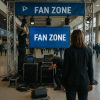
Meanwhile, Vancouver continues to build on the momentum generated by recent and upcoming FIFA World Cup activity in North America. City officials and tourism bodies are working with venue operators and event producers to create programming that keeps global football fans engaged beyond match days, with an eye on extended stays and repeat visits.
On Vancouver Island, BC CrabFest is returning as a seafood-focused celebration highlighting local fisheries, food vendors, and coastal culture. The festival combines culinary experiences with live entertainment and waterfront activations, contributing to the Island’s broader strategy of positioning itself as a summertime destination for both domestic and international visitors.
Across the country, other regional events—from community festivals to outdoor concerts—are adding volume to a calendar that many organizers see as a testing ground for new formats, partnerships, and audience engagement approaches.
Industry impact
These events collectively reflect several trends currently shaping the Canadian event sector:
-
Tourism-driven programming: Fairs like KDays and food festivals such as BC CrabFest are being positioned as anchor events to support regional travel, dining, and retail.
-
Sports as a catalyst: Vancouver’s focus on leveraging World Cup interest underscores how major sports properties are influencing event calendars, venue utilization, and fan engagement strategies.
-
Outdoor and hybrid formats: Many Canadian organizers continue to prioritize outdoor, waterfront, and fairground settings, with some incorporating digital touchpoints for ticketing, schedule updates, and wayfinding.
-
Local economic links: Municipal stakeholders are increasingly tying festival funding and support to measurable benefits for local businesses, artists, and suppliers.
For event technology providers, these activities highlight sustained demand for scalable audio-visual infrastructure, temporary connectivity, mobile ticketing tools, and crowd management solutions capable of supporting both large fairs and sports-adjacent fan zones.
Why this matters
The current wave of Canadian summer events offers a snapshot of how cities are using festivals and live programming to reinforce their tourism brands and prepare for larger global moments.
Edmonton’s KDays illustrates the enduring role of legacy fairs as platforms for experimentation with new onsite technologies, sponsor activations, and entertainment formats. Vancouver’s World Cup-linked strategy points to an evolving playbook in which host and nearby cities look beyond stadium walls to build multi-week event ecosystems.
For technology vendors, production companies, and venue operators—many of whom promote their services through their own official websites and product pages—these developments signal a season of active procurement and on-the-ground testing. Reliable AV, staging, ticketing, and data tools will be central to delivering consistent experiences across fairs, fan events, and food festivals.
As Canada moves closer to future international sports and cultural milestones, the lessons drawn from this year’s summer programming are likely to influence how cities plan infrastructure, partnerships, and event technology investments in the years ahead.