Global destinations rethink event competitiveness beyond capacity
Destination cities are reassessing how they position themselves in the global meetings and events marketplace, as competitive advantage shifts away from sheer venue capacity toward broader measures of value, connectivity, policy alignment and demonstrable impact.
The Global Destination Report 2026, produced by The Business of Events (TBOE) in partnership with VisitScotland Business Events, points to a sector that has proved resilient but is now contending with intensifying economic, policy and environmental pressures. The study suggests that destinations able to articulate clear outcomes, align with government priorities and offer strong transport and digital links are gaining ground over those competing largely on scale alone.
Background and industry context
The business events sector – spanning conferences, exhibitions, congresses and incentive travel – has historically measured success through hotel room counts, venue size and delegate volume. In recent years, however, organisers and host cities have been forced to navigate rapidly shifting expectations around sustainability, public funding, risk management and return on investment.
Economic headwinds, fluctuating travel costs and changing corporate policies on business travel have all contributed to a more selective approach to where and how events are staged. At the same time, governments increasingly expect events investment to align with broader policy goals, from innovation and trade to healthcare, education and climate action.
As hybrid and digital formats become normalised rather than exceptional, destinations are also judged on digital infrastructure, accessibility and their ability to support content-rich programmes that extend beyond the live dates of an event. This broader context underpins the report’s finding that traditional measures of capacity are no longer sufficient to secure and retain major meetings.
Key developments from the Global Destination Report 2026
The Global Destination Report 2026 highlights several themes shaping competitive strategy in the destination and convention bureau space. While the specific rankings and scores are reserved for participating stakeholders, the report outlines a number of structural shifts:
- From capacity to value: Host cities are being evaluated less on the size and number of their venues and more on the overall value proposition they offer organisers and delegates. This includes cost-effectiveness, ease of doing business, the strength of local knowledge sectors and the quality of ancillary services such as accommodation, transport and event technology.
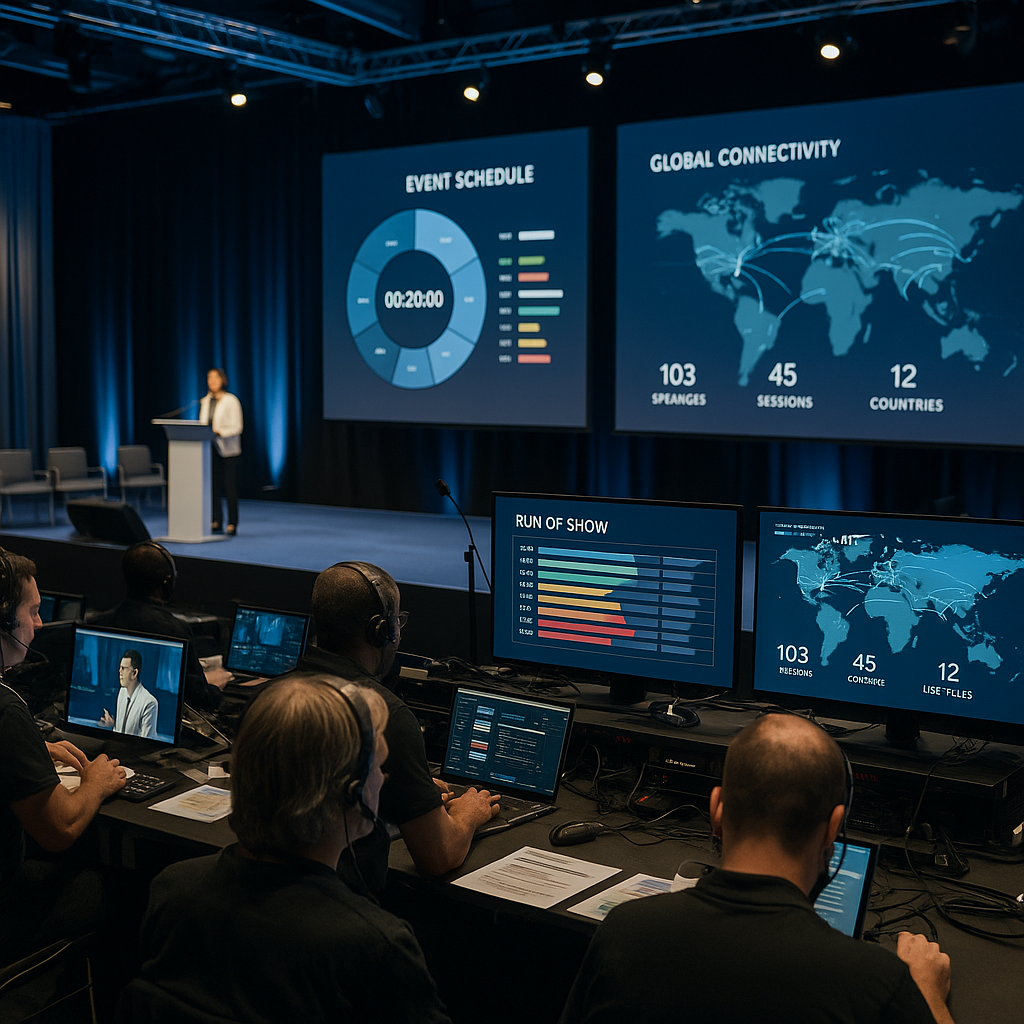
- Connectivity as a core metric: Air links, rail connections, local public transport and digital connectivity feature prominently in destination decision-making. Reliable broadband, hybrid-ready venues and stable technology infrastructure are now seen as baseline requirements for international events.
- Policy support and strategic alignment: The report notes a growing emphasis on how local and national policy frameworks either enable or constrain the business events sector. Destinations that can demonstrate clear government backing, streamlined visa and permitting processes, and alignment with priority sectors appear better positioned to attract high-value events.
- Measurable impact and legacy: Organisers are looking beyond tourism metrics to understand the longer-term effects of events on trade, research collaboration, skills development and community engagement. Destinations are increasingly expected to provide tools and data to quantify economic, social and environmental outcomes.
Presented during a policy-focused gathering hosted by TBOE, the report underscores that competitive positioning now requires a more integrated approach between destination marketing, economic development agencies and policy teams. Rather than treating business events as a standalone tourism product, the research frames them as part of a wider ecosystem that supports innovation, investment and international collaboration.
Industry impact and emerging pressures
While the sector has demonstrated resilience, the report also points to mounting challenges. Destinations must reconcile the desire to grow business events with pressures to reduce environmental impact and manage local community concerns around congestion and resource use.
Budget constraints in both public and private sectors are another recurring theme. As many organisations face tightened travel and marketing budgets, bid competitiveness is rising. Destinations may need to provide stronger evidence of value and tailor support packages more precisely to the objectives of individual events.
Regulatory environments are also evolving. Health, safety and security standards remain a priority, and destinations are expected to maintain robust risk management protocols that can accommodate future disruptions. These requirements can add complexity and cost but are increasingly non-negotiable for organisers of large-scale international meetings.
For event technology providers, the report’s findings signal a continued shift toward integrated solutions that can support hybrid participation, data capture and impact measurement. Destinations that partner effectively with technology firms to improve the delegate and organiser experience may stand out in an increasingly crowded field.
Why this matters for event professionals and technology providers
For event organisers, the changing competitiveness landscape has direct implications for destination selection, programme design and supplier partnerships. Shortlisting decisions are likely to weigh factors such as policy support, sector alignment and connectivity alongside more familiar considerations like venue availability and cost.
Organisers may also face growing expectations from sponsors and participants to demonstrate the broader benefits of their events. This could lead to increased demand for data collection tools, impact reporting frameworks and technology that tracks delegate engagement both onsite and online.
For destinations, the report reinforces the need to position business events within a strategic narrative. That may involve closer collaboration with universities, research institutions and local industry clusters to showcase sector strengths and create opportunities for knowledge exchange during events.
Technology vendors operating in the meetings and events space can interpret the report as a signal to prioritise interoperability and analytics. Platforms that enable destinations and organisers to capture metrics on attendance patterns, economic contribution and knowledge transfer will be well aligned with the report’s emphasis on measurable outcomes.
Finally, the focus on connectivity and digital readiness serves as a reminder that investments in infrastructure, from high-capacity networks to robust event apps and streaming capabilities, are now central to destination competitiveness rather than peripheral add-ons.
Conclusion
The Global Destination Report 2026 depicts a business events sector in transition, where resilience is tempered by rising expectations and intensified competition. Destination capacity remains important, but it is no longer the primary differentiator in winning high-value meetings and conferences.
Value, connectivity, policy support and impact are emerging as the critical levers of competitiveness. Destinations that can integrate these elements into a coherent proposition, supported by reliable technology and data, are likely to be better placed as organisers refine their global event strategies over the next cycle.
For event professionals and technology providers alike, the report’s findings underline the importance of moving beyond transactional models toward partnerships built on shared objectives, measurable outcomes and long-term legacy. As the business events ecosystem continues to evolve, those able to demonstrate clear contributions to economic and societal goals are expected to stand out in an increasingly demanding marketplace.