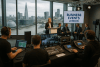
Vienna’s Theater in der Josefstadt upgrades to Sennheiser Spectra audio system

Background and context
Vienna’s Theater in der Josefstadt, one of the city’s oldest and most respected spoken-word theatres, has entered a significant new phase in its audio infrastructure. The venue, known for its focus on dialogue-driven productions, has recently completed a major sound system upgrade designed to meet contemporary expectations for clarity, flexibility and immersive experiences.
The move reflects a wider trend across European theatres, where long-standing venues are updating legacy systems to support IP-based audio networks, more precise sound localisation and consistent coverage across complex seating layouts. These changes are driven by both artistic ambitions and the practical demands of modern productions that increasingly blend theatre, music and multimedia elements.
Key announcement
Theater in der Josefstadt has installed Sennheiser’s Spectra system as the core of its new audio setup. The solution integrates networked microphones and receivers with a scalable digital backbone intended to deliver stable, high-resolution audio throughout the auditorium.
According to the manufacturer, Spectra is designed as a flexible platform for theatrical and live event environments, providing tools for precise speech intelligibility and support for complex productions with multiple performers and cues. At Josefstadt, the system replaces an older, more limited setup and is built to handle both daily repertory shows and special events.
The installation includes distributed RF reception, digital signal processing and network-based control, enabling sound staff to manage audio coverage across the room and adapt quickly to changing stage layouts. The theatre’s audio team can adjust microphone assignments, routing and system parameters in real time from a central interface.
Sennheiser positions Spectra as part of its broader portfolio for theatres, opera houses and live venues, alongside its wireless microphone and in-ear monitoring solutions. Further technical information on the product line is available on the company’s official website at sennheiser.com.
Industry impact
The Josefstadt project highlights how IP-based and software-driven audio infrastructures are becoming standard in theatres that historically relied on more traditional analog setups. For venue operators, the key advantages lie in flexibility, streamlined cabling and simpler long-term expansion.
For sound designers in spoken-word venues, reliable microphone performance and clear vocal reproduction remain critical. Systems like Spectra are being deployed to improve intelligibility even in challenging acoustic environments, while also supporting immersive or spatial audio configurations when required by the production.
Other theatres and live performance spaces may view the Josefstadt upgrade as a reference case when planning their own modernisation projects, particularly those moving toward Dante or similar networked audio frameworks and looking to integrate wireless, mixing and distribution into a single, coordinated system.
Why this matters
For event technology professionals, the installation at Theater in der Josefstadt underlines the growing importance of scalable, network-based audio platforms in traditional performing arts venues. As productions become more complex and audiences expect consistent sound quality across all seats, theatres are under pressure to invest in systems that offer both reliability and creative flexibility.
The Josefstadt example shows how a heritage venue can adopt contemporary audio infrastructure without compromising its core focus on spoken theatre. It also illustrates a broader shift in the live events and theatre market: audio systems are increasingly treated as strategic, long-term investments that must support everything from intimate dialogue to multi-layered, immersive sound designs.
For manufacturers, integrators and sound teams, these projects provide valuable insight into how next-generation platforms are performing in daily repertory use, and how they can be tailored to meet the specific requirements of historic venues with loyal audiences and demanding artistic standards.