Asia-Pacific MICE sector shows resilience at the Meetings Show 2026

Introduction
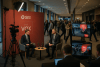
The Meetings Show Asia Pacific 2026 (TMS APAC) closed its third edition in Singapore with indications that the region’s meetings, incentives, conferences and exhibitions (MICE) market is continuing to expand despite wider economic uncertainty. Hosted at Marina Bay Sands Expo & Convention Centre from 14–15 April 2026, the trade show drew strong participation from regional and international stakeholders, signalling sustained demand for business events and increased interest in technology-enabled formats.
Background and industry context
The Asia-Pacific MICE sector has been recovering steadily from pandemic-era disruption, supported by the reopening of borders, easing of travel restrictions and government efforts to reposition cities as business events hubs. While inflationary pressures, rising travel costs and geopolitical tensions have weighed on global corporate travel and events budgets, many Asia-Pacific destinations have reported a rebound in both international and regional meetings.
Singapore, Thailand, Australia, South Korea and emerging markets in Southeast Asia have been investing in convention infrastructure, digital services and sustainability initiatives to compete for large-scale conferences and exhibitions. At the same time, event organisers are under pressure to demonstrate ROI, manage costs and integrate digital tools that support data capture, attendee engagement and hybrid participation.
Against this backdrop, TMS APAC 2026 functioned as both a marketplace and a barometer for sentiment in the regional MICE sector. Exhibitors included convention bureaus, destinations, venues, hotel groups, professional conference organisers and technology providers, all looking to secure future business and showcase new solutions for in-person, hybrid and digital events.
Key developments and announcements
The 2026 edition of The Meetings Show Asia Pacific reported year-on-year growth in hosted buyers, exhibiting organisations and pre-scheduled appointments, underscoring the region’s reputation as a growth engine for global business events. While official numbers varied by segment, organisers highlighted several notable developments:
- Expanded regional participation: Buyers and exhibitors from across Southeast Asia, North Asia, Australia and the Middle East increased their presence, reflecting a shift towards multi-hub regional strategies rather than relying solely on traditional Western markets.
- Stronger technology footprint: Event tech vendors specialising in registration, data analytics, mobile apps, virtual platforms, AI-powered matchmaking and on-site engagement tools reported heightened interest from planners seeking to streamline operations and future-proof their events.
- Content focused on resilience and transformation: Conference sessions examined risk management, shifting attendee expectations, sustainable event design and the use of data to inform site selection and programme planning. Several panels addressed how organisers are blending on-site experiences with digital extensions.
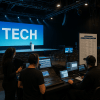
- Hybrid-ready infrastructure on display: Venues and destinations emphasised investments in broadcast-quality AV, studio spaces, connectivity and on-site production capabilities to support hybrid and digitally extended events.
Singapore’s role as host destination remained central. Marina Bay Sands showcased its integrated resort’s event capabilities, including upgraded tech infrastructure and sustainability practices, aligning with increasing client requirements for ESG reporting and energy-efficient operations.
Industry impact
The outcome of TMS APAC 2026 reinforces a narrative of cautious optimism in the Asia-Pacific business events market. Despite macroeconomic headwinds that have led some organisations to rationalise travel and reduce discretionary spend, the volume and quality of meetings reported at the show point to sustained demand for face-to-face engagement.
For destinations, the event served as a platform to secure medium- to long-term bookings, particularly for association congresses, incentive programmes and sector-specific trade shows. Multiple convention bureaus used the show to announce new bids, upcoming large-scale events and incentive schemes aimed at attracting international organisers.
Technology providers benefited from direct access to planners who are actively reassessing their event tech stacks. Conversations at the show indicated that many organisations are moving away from fragmented solutions towards integrated platforms that support registration, content delivery, analytics and year-round community engagement. This trend could accelerate consolidation in the event technology space and favour vendors that can demonstrate interoperability and robust data security.
The emphasis on hybrid readiness also has implications for production companies and AV partners. Demand for multi-format content delivery, live streaming, remote speaker integration and audience interaction tools appears to be stabilising at a level higher than before the pandemic, even as most events revert to primarily in-person attendance.
Why this matters for event professionals and technology providers
For planners, agencies and corporates, the signals emerging from TMS APAC 2026 suggest that the Asia-Pacific region will remain a strategic pillar for global event portfolios. Key implications include:
- Budget planning and venue selection: With strong buyer interest and growing competition for premium dates and venues, event professionals may need to secure space earlier, particularly for large-scale conferences and exhibitions. Flexible contracting and contingency planning remain critical in an environment of fluctuating travel demand.
- Tech-enabled event design: The show’s focus on data, engagement tools and hybrid infrastructure underscores the need for planners to evaluate their technology ecosystem carefully. This includes clarifying ownership of attendee data, assessing integration with CRM and marketing automation systems, and aligning tech choices with clear event objectives.
- Sustainability and reporting: Many destinations and venues highlighted measurable sustainability initiatives, responding to corporate and association requirements for ESG reporting. Event professionals will increasingly be expected to demonstrate how venue selection, travel policies and production decisions impact carbon footprint and resource use.
- Regionalisation of event strategies: As travel patterns shift, Asia-Pacific is being positioned not only as a host region for global events but also as a base for regional series and roadshows. This opens opportunities for local and regional players, but also requires nuanced understanding of cultural, regulatory and logistical differences between markets.
For technology providers, the event confirmed that buyers are seeking reliable, scalable solutions rather than experimental tools. Demonstrable case studies, clear pricing, support models and integration capabilities are becoming key differentiators when competing for enterprise-level contracts.
Conclusion
The Meetings Show Asia Pacific 2026 has underscored the region’s resilience and ongoing relevance in the global MICE ecosystem. While external economic and geopolitical factors continue to influence travel and event decision-making, the strong turnout of buyers, exhibitors and technology providers in Singapore indicates that organisations still view in-person and hybrid business events as essential to their commercial and community-building objectives.
For event professionals and technology vendors, the key takeaway is that Asia-Pacific is not simply recovering; it is reshaping how business events are planned, delivered and measured. Investments in infrastructure, digital capabilities and sustainable operations are likely to define competitive advantage in the region over the coming years, making platforms like TMS APAC a critical touchpoint for tracking industry shifts and future opportunities.