Ten Business Meeting Concept Trends Reshaping 2026 Events
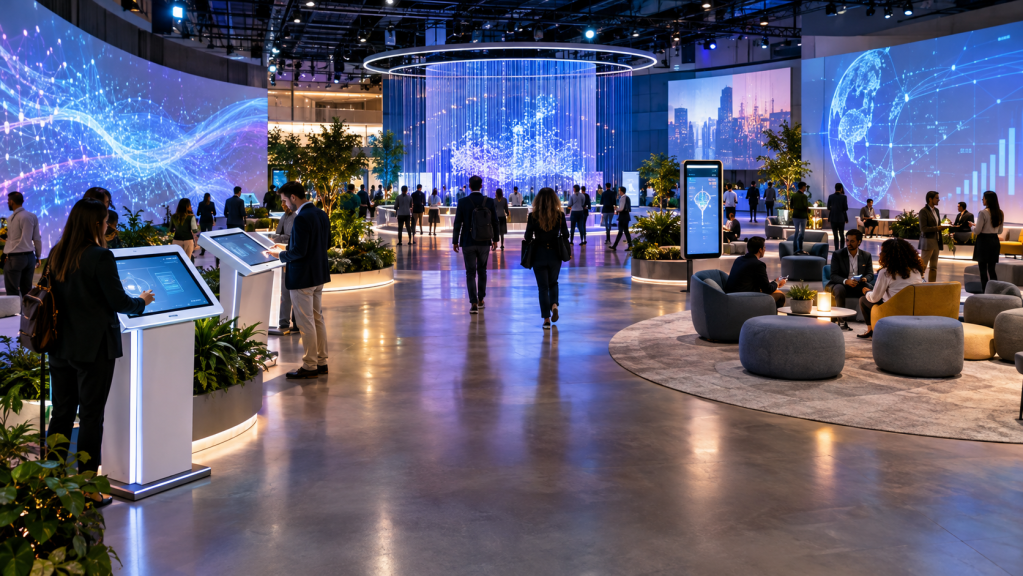
Business meetings in 2026 are evolving beyond traditional ballrooms and breakout rooms, as organizers experiment with new formats, technologies, and engagement tactics. A wave of innovative gatherings is signaling how artificial intelligence, immersive environments, and reimagined networking structures are reshaping expectations for corporate events and conferences.
While each meeting has its own objectives and audience, common themes are emerging: more personalized attendee journeys, more creative use of space, and a stronger integration of digital and physical experiences.
Shift Toward Immersive Experience Design
Many of the most forward-looking meetings in 2026 are prioritizing experience design as much as content. Instead of conventional presentation stages and static seating, organizers are embracing larger-than-life installations, interactive zones, and theatrical lighting to guide participants through the program.
This shift is changing how attendees consume information. Sessions are increasingly built around shorter, more dynamic segments, with content delivered in multiple formats across an event footprint. Environments such as walkthrough exhibits, projection-driven storytelling, and sensory installations are being used to translate strategy, product narratives, or research findings into tangible experiences.
For event technology providers and production teams, this trend is driving demand for flexible audiovisual systems, modular scenic elements, and content pipelines that can support continuous storytelling across a venue.
Rise Of AI-Enabled Meeting Journeys
Interactive AI experiences are emerging as a defining characteristic of innovative meetings in 2026. Rather than functioning solely as back-of-house tools, AI features are becoming visible and participatory for attendees.
Examples include AI-assisted agenda planning that recommends sessions based on individual profiles, as well as conversational agents deployed on kiosks or mobile devices to answer questions and route guests through complex programs. In some cases, AI is being used to analyze live sentiment and engagement data, allowing organizers to adjust formats, timing, or room setups in near real time.
For the event technology ecosystem, this creates new integration challenges. Registration platforms, mobile apps, content management systems, and in-room technology need to work together so that AI can access relevant data securely and deliver measurable value without overwhelming participants.
Transformation Of Networking Formats
Innovative meetings in 2026 are also rethinking networking, moving away from generic receptions toward highly curated interaction formats. Organizers are experimenting with structured meetups, themed micro-sessions, and facilitated small-group discussions that align participants by interests, challenges, or project needs.
This is being supported by technology that can match attendees using profile data and stated objectives, then translate those matches into physical encounters through wayfinding tools, digital schedules, or smart signage. The goal is to maximize the relevance and effectiveness of each connection, particularly for senior decision-makers with limited time on-site.
These new networking structures require careful operational planning, including room layouts that encourage movement, robust Wi-Fi and device support, and staff or digital guides who can help participants navigate the flow.
Expansion Into Citywide Meeting Footprints
Some of the most experimental meeting concepts in 2026 are expanding beyond a single venue and into citywide takeovers. Instead of confining all content and networking to one convention center or hotel, organizers are activating multiple locations across a host city.
This approach allows different parts of the program to inhabit spaces that complement their purpose, such as creative districts for innovation showcases, cultural institutions for plenary experiences, or partner venues for industry-specific activations. It can also help distribute foot traffic, enabling more intimate interactions even at scale.
Citywide concepts depend heavily on robust logistics and communication tools. Real-time transportation updates, location-aware mobile experiences, and synchronized production across venues become critical to maintaining coherence in the overall meeting narrative.
Integration Of Physical And Digital Touchpoint
Hybrid thinking continues to influence meeting design in 2026, even when events themselves are primarily in-person. Organizers are layering digital touchpoints onto physical experiences, using event apps, on-demand content libraries, and online communities to extend engagement before and after the live program.
During the event, digital channels support interaction through live polling, Q&A tools, and collaborative workspaces that allow participants to capture ideas and share resources instantly. Afterward, recordings and highlight packages keep content accessible to those who could not attend every session.
For technology partners, this blended approach underscores the need for secure, interoperable platforms that can span pre-event planning, on-site production, and post-event analytics while maintaining a consistent attendee identity record across systems.
Implications For Event Production And Venue Strategy
The innovations appearing in 2026 meetings are reshaping expectations for venues, suppliers, and production teams. Spaces that can accommodate flexible room configurations, complex audiovisual needs, and interactive installations are becoming more attractive to forward-looking organizers.
At the same time, production workflows need to respond to higher creative ambitions and shorter lead times. Content teams are being asked to develop assets that can be repurposed across multiple formats, from main stage presentations to immersive environments and digital channels.
Data is also playing a larger role in strategic planning. Organizers are looking beyond basic registration and attendance metrics to understand how participants move through venues, interact with content, and form connections. These insights can inform everything from floor plan design to sponsorship packages and future-year program decisions.
Outlook For Business Meeting Innovation
As 2026 progresses, the most innovative meetings are functioning as test beds for the wider business events industry. Their experiments with AI, immersive storytelling, unconventional networking, and city-integrated formats are offering practical models for what future conferences and corporate gatherings may look like.
For event professionals, technology providers, and venues, the key opportunity lies in translating these concepts into scalable, repeatable frameworks that balance creativity with operational feasibility. The meetings that succeed in doing so are likely to influence attendee expectations and industry standards well beyond the current year.