III Points Festival Production Faces Record Crowd And Rain
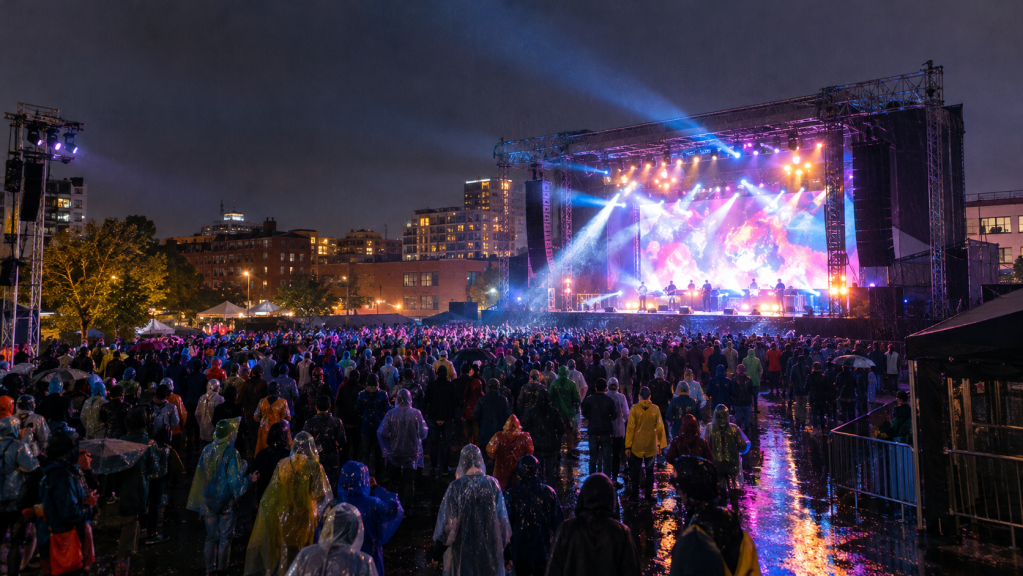
III Points 2026 in Miami’s Wynwood neighborhood marked a major milestone for the music and art festival, drawing a record 80,000 attendees to its largest site layout so far. Alongside the growth came the familiar realities of large scale festival production, including challenging weather and the operational adjustments that follow.
Festival Attendance Milestone And Site Expansion
Now in its 13th year, III Points continued its evolution from a niche local gathering into a major destination event. Organizers reported a record breaking 80,000 attendees over the course of the festival, underscoring the brand’s rising profile in the live events calendar.
The 2026 edition also featured the festival’s largest footprint to date within Wynwood. An expanded site can offer more stages, art installations, and guest amenities, but it also increases complexity for site design, crowd management, power distribution, and audiovisual deployment.
For production teams, scaling up a footprint demands detailed planning around ingress and egress, back of house access, emergency routes, and clear zoning for performance areas, food and beverage, and sponsor activations. Every additional acre adds variables for staging, truss structures, cabling paths, and temporary infrastructure such as fencing and sanitation.
Weather Impact And Operational Adjustment
Despite strong attendance, this edition of III Points also contended with rain, a recurring challenge for outdoor festivals. Inclement weather introduces safety and logistical concerns that touch nearly every area of festival operations.
Rain can affect audience movement, stage conditions, and the performance of lighting, audio, and video systems. Production crews must monitor ground saturation around stages, keep cable runs protected, and safeguard power distribution from moisture. Wet conditions can also lead to schedule changes, temporary stage holds, or modified programming for safety reasons.
For site operations, wet weather impacts queue management, transport routes for production vehicles, and guest comfort in high traffic zones. Rain plans often include additional ground covering in critical pathways, reassessment of emergency evacuation routes, and ongoing communication between production management, security, and medical teams.
Production Reality For Large Scale Music And Art Festival
The 2026 edition of III Points highlighted the inherent tradeoffs of ambitious festival design. An expanded artistic program, larger audience, and broader site come with increased pressure on production timelines, staffing, and technical coordination.
Key considerations for a large scale music and art festival setup typically include:
- Stage layout and orientation to manage sound bleed and sightlines across multiple performance areas
- Integration of audiovisual equipment to support diverse artist requirements
- Lighting design that balances artistic goals with energy use, power availability, and weather protection
- Network and communications infrastructure for production teams, ticketing, and onsite operations
- Placement of art installations to maintain safe crowd flows while preserving creative impact
Weather adds another layer to these decisions. Outdoor stage roofs, rigging design, and structure ballast must all account for potential wind and rain, while temporary flooring and drainage become critical to maintaining safe conditions for artists, crew, and attendees.
Crowd Management And Guest Experience Pressure
With attendance reaching 80,000, III Points 2026 also underscored the importance of crowd management in dense urban settings. A growing festival places additional demands on entry screening, wristband or credential checks, and the routing of attendees between stages and amenities.
From an event technology perspective, higher volumes of guests can stress ticket scanning systems, cashless payment infrastructure, and network connectivity for both festival operations and attendee mobile use. Reliable connectivity supports everything from access control and vendor transactions to real time operations monitoring.
Guest experience teams must balance operational requirements with the creative identity of the festival. When rain affects schedules or access, clear communication becomes a central part of preserving trust with attendees. Effective use of mobile notifications, onsite signage, and informed frontline staff can help manage expectations when conditions change.
Learning Opportunity For Festival Planner And Production Partner
III Points 2026 illustrates the dual reality facing many modern festivals: strong demand and brand recognition paired with increased operational risk. Record crowds and an expanded site reinforce the event’s status, while rain and onsite hiccups spotlight where production plans and contingencies are tested.
For festival planners, production companies, and venue technology providers, events like III Points offer valuable case studies in scaling infrastructure while maintaining safety and experience quality. As attendance rises, so does the need for resilient audiovisual systems, flexible staging strategies, and robust weather response protocols.
With its 13th edition complete, III Points has further established its role in Wynwood’s cultural landscape, while providing the wider live events industry with another example of how record breaking growth and unpredictable weather shape the realities of festival production.